It’s not quite the end of the year but, with Christmas coming up, now is probably a good time to look back at the books I read, the films I watched, and the albums I bought in 2008. And… it was a bit of an odd year. I caught a new “enthusiasm”. Aircraft. Specifically, jet bombers and interceptors of the Cold War. And 1930s flying boats. And no, I’ve no idea why those in particular. But I bought and read books on the B-3, 6, Avro Vulcan, XB-70, BAC Lightning, Tu-16 Badger, de Havilland Sea Vixen, and the Short Empire flying boat, among many others. Oh, and the Bristol Brabazon, because the noise its engines made is really impressive – see this video of its test flight here, around the 3:50 minute mark as it takes off.
But back to the books read, films seen, etc. By December 18, I’d read 213 books (a new record for me) but, as usual, had bought more. Science fiction still formed the bulk of my fiction reading – 62% of it, in fact – but no heartland sf novels were good enough to make the grade as best of the year. I also read considerably more non-fiction than I’ve read in previous years – more than half my total reading. And I also read a lot of graphic novels – fifty-four, to be precise.
I watched 245 films and/or assorted seasons/series of television programmes, most of which were on DVD. And most of which weren’t all that good. There were the contents of the two 50-movie boxed sets, of course. That started out as fun, but soon turned into a chore. And some of the crappy sf and fantasy films I bought cheap on eBay proved to be less entertaining than I’d hoped or imagined. Some didn’t – and I included them in my Top Ten Obscure SF Films. I also started watching Star Trek: Deep Space Nine for the first time, and discovered that I found (most of) the cast more appealing than in other Trek franchises. Having said that, the series’ treatment of terrorism and the like compares unfavourably with the new Battlestar Galactica‘s treatment of similar subjects. But then Deep Space Nine is pre-9/11.
On the music front, I attended twelve gigs and two festivals (Bloodstock and the Day of Unrest), and saw 46 bands perform live. That included several favourites – Dark Tranquillity, Blue Öyster Cult, Mostly Autumn (twice), Opeth, Pelican, Anathema, Mithras… In 2007, I tried to go to a gig a month, but failed. This year, I managed it – although that’s averaging it out over the year. I’ll have to see if I can do the same in 2009.
I bought around the same number of CDs as in previous years. Some bands I like released new albums – Opeth, Gojira, Martriden, Mostly Autumn, Scar Symmetry, and Anathema. The Opeth and the Anathema made my top five. I also discovered some new bands (some of which were, er, actually old), and a couple of them quickly became favourites. It was quite a good year for music.
Oh, and in 2008 I also became a book reviewer for Interzone and a DVD reviewer for VideoVista.
But on with the best of the year…
Books
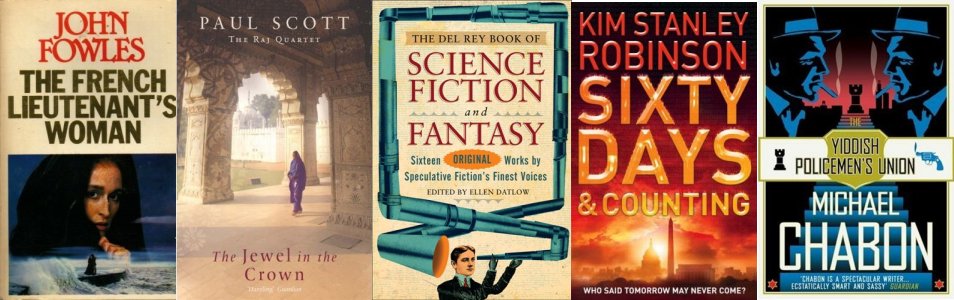
The French Lieutenant’s Woman , John Fowles (1969)
I’d seen the film many years before, and had a vague recollection of the plot. I’d also read other books by Fowles and I hold a high opinion of his fiction. But I’d somehow missed reading this one. So I took it with me on a business trip to Stuttgart… and couldn’t put it down. I hadn’t expected it to be so engrossing a read. Beautifully-written, clever, and affecting.
The Jewel in the Crown , Paul Scott (1966)
This was my October book for my 2008 Reading Challenge, and I loved it so much I immediately added Scott’s novels to my wants list. And I’m looking forward to reading the remaining three books of the Raj Quartet. I wrote about it here.
The Del Rey Book of Science Fiction and Fantasy , edited by Ellen Datlow (2008)
This is the only book in my top five which was actually published in 2008. I don’t actually read that many original anthologies – well, not unless they’re themed and the theme interests me, such as The New Space Opera or The Space Opera Renaissance. But I’d read a number of very approving reviews of this anthology, so I bought it. And… it’s a very strong anthology indeed. I wasn’t convinced by every story, but the overall standard was impressively high – albeit some stories worked better for me than others.
Sixty Days and Counting , Kim Stanley Robinson (2007)
This is the final book in Robinson’s Science in the Capital trilogy, and is a perfect indication of why Robinson is such an important sf writer. The book is educational – if not didactic – but eminently readable all the same. A fitting end to a trilogy which should be read by more people. Especially people who don’t believe in climate change.
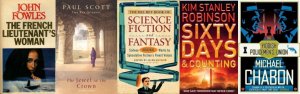
The Yiddish Policemen’s Union , Michael Chabon (2007)
I’m clearly not the only person who thought this was very good – it won the Hugo Award, Nebula Award and Sidewise Award. Deservedly. I wrote about it here.
Honorable mentions:
Collected Poems , Bernard Spencer (1981)
I think I can safely say that 2008 was the Year of Poetry for me. I started reading considerably more of it, and I even had a go at writing it (see one effort here). And of the poems I read during the year, Bernard Spencer’s were among the best. Admittedly, this collection contains everything he published, so it’s no surprise it’s strong.
Matter , Iain M Banks (2008)
A new Culture novel is a matter for celebration, and while this one was certainly better than Banks’ last sf novel, the very disappointing The Algebraist (which wasn’t a Culture novel), it wasn’t as good as earlier ones. I wrote about it here.
Scarlet Traces: The Great Game , Ian Edginton & D’Israeli (2006)
Probably the best graphic novel I read in 2008. This is a sequel of sorts to a sequel of sorts to HG Wells’ The War of the Worlds . Its concept is perhaps not the most original idea ever – after the Martians die, the British empire reverse-engineers their technology – but it’s well handled. Great art too. The Great Game just wins out over Scarlet Traces
 because of a cameo by Dan Dare and Digby.
Films
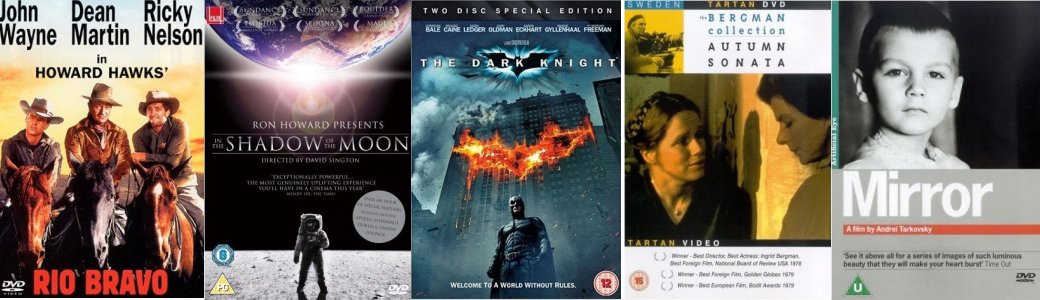
Rio Bravo , dir. Howard Hawks (1959)
The plan was to work my way through the Time Out Centenary Top 100 Films, which is why I stuck this one on my rental list. I’m no fan of westerns, but there were a few in the Top 100 – The Searchers , The Wild Bunch
 … and Rio Bravo. And I have to admit Rio Bravo didn’t seem as though it would appeal: John Wayne, Dean Martin (playing a drunk!), Ricky Nelson… Dean Martin and Ricky Nelson sing a duet! Sheriff has to defend town against evil cattle baron’s henchmen bent on vengeance, with drunken gunslinger and callow youth to help! So many clichés! But. I loved it. I even went out and bought the special edition DVD – once it no longer broke the Rule of DVD*, of course.
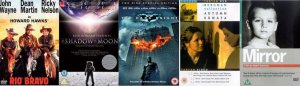
In The Shadow Of The Moon , dir. David Sington & Christopher Riley (2006)
My enthusiasm for all things space-related remains undimmed, although I didn’t buy as many books on the subject as last year – well, I still have a huge pile of them to read. This film pretty much explains the appeal. It consists chiefly of talking-head interviews with those involved in the Apollo project, interspersed with film of the various missions. As you hear the astronauts talking matter-of-factly about their trips to the Moon, you soon realise what an astonishing achievement it was. It should be repeated. Soon.
The Dark Knight , dir. Christopher Nolan (2008)
My only trip to the cinema in 2008 was to see this film. It’s a less baroque treatment of Batman than its predecessor – Gotham City resembles Chicago more than the weird Gothic metropolis of Batman Begins . Heath Ledger steals the film as the Joker, but he has excellent support from Aaron Eckhart, Christian Bale, and Gary Oldman. Maggie Gyllenhall makes a better Rachel Dawes than Katie Holmes did, but the character still seems mostly peripheral. Perhaps the film did at time feel like two films welded together – the Joker story, and the Two-Face story. But the various set-pieces more than made up for it. I’ll be getting the DVD.
Autumn Sonata , dir. Ingmar Bergman (1978)
Okay, so Bergman was sure to appear somewhere on this list, although it was a toss-up between this one and Shame (see below). But Autumn Sonata just wins out because it’s the less contrived of the two. Famous pianist Ingrid Bergman visits her neglected daughter, now the wife of a country pastor. Ingrid Bergman gives a polished performance, but Ullmann steals the show as the daughter. Anyone who thinks Ingmar Bergman’s films are dull and obscure should watch Autumn Sonata.
Mirror , dir. Andrei Tarkovsky (1975)
This film is near impossible to describe – and better people than me have tried. It’s the cinematic equivalent of stream of consciousness, which by rights shouldn’t really work. But it does. Extremely well. There are enactments of scenes from Tarkovsky’s childhood, newsreel footage, dream sequences… Despite lacking a plot, or any kind of coherent path through the story, Mirror is engrossing.
Honourable mentions:
Naked Lunch (1991), Crash
 (1996), Eastern Promises
 (2007), dir. David Cronenberg
2008 was a bit of a Cronenberg year for me. I’ve always enjoyed his films, but last year’s A History of Violence was something of a revelation – a polished and subversive thriller from the director of Scanners
 and The Fly
 ? Eastern Promises is the same but more so – although perhaps in parts it could pass as an episode of a superior British television thriller. Naked Lunch and Crash, however, came as real surprises. Both are “unfilmable” novels, but Cronenberg managed to somehow make excellent, watchable drama out of them.
Shame, dir. Ingmar Bergman (1968)
Bergman favourites Max von Sydow and Liv Ullmann are enjoying the simple life on a rural island (Fåro), away from a civil war. The war catches up with them, however, and they are forced to give a television broadcast supporting one side… only to be subsequently captured by the other side. Emotional stuff, albeit perhaps a little overwrought in places. Nevertheless, it’s a strong story handled by two strong leads.
The Sacrifice , dir. Andrei Tarkovsky (1986)
Despite its glacial pace and its long takes, this is an intense film, and hard to watch in places. I wrote a little about it here.
Albums
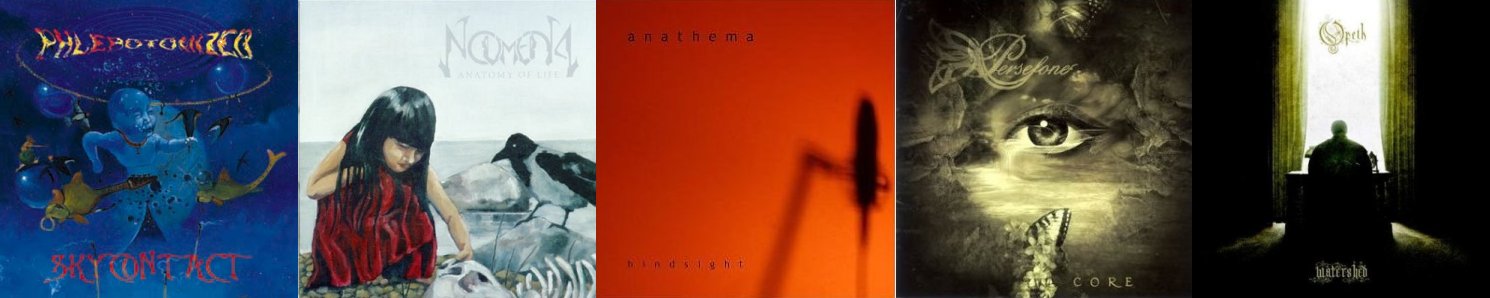
Skycontact, Phlebotomized (1997)
Phlebotomized were a short-lived death metal band from the Netherlands. They recorded a handful of demos, an EP and two albums. Skycontact was their last album. It’s progressive stuff – the band featured a violinist – and quickly became a favourite.

Anatomy of Life , Noumena (2006)
This is melodic death metal from Finland, but it also features some clean vocals and some female vocals. And the singer’s growl has to be heard to be believed. I suspect he uses a pitch shifter… Excellent stuff – and I’ve been playing the track ‘Monument of Pain’ almost constantly.
Hindsight , Anathema (2008)
Anathema are currently recording a new album – they said so when I saw them live. But until that’s released, we have this, a compilation of acoustic takes on some of their better-known songs. It’s yet more evidence that Anathema should be filling stadiums by now, not tiny rooms with beer-sodden carpets…
Corē , Persefone (2006)
One of things I love about extreme metal is that it’s an international genre. Admittedly, pretty much everyone sings in English – although with growl vocals it’s often hard to tell. Persefone are Andorran. That’s the tiny little country between France and Spain. Population about 70,000. Corē is a concept album about Persephone, the goddess for whom the band are named. An excellent mix of death metal, progressive metal and acoustic pieces, with both clean and growl male vocals, and female vocals.
Watershed , Opeth (2008)
And a new album which proves to be even more progressive than the preceding Ghost Reveries . I’m still not convinced I like the direction they’re going as much as I liked older albums such as Blackwater Park
 . But it’s proving to be an interesting journey, and they never disappoint.
Honourable mentions:
Still , Wolverine (2006)
I saw Wolverine supporting Anathema in Glasgow back in 2006. I enjoyed their set, but not enough to dash out and buy their albums. Then, for some reason, this year I ended up buying their latest CD anyway. And it quickly grew on me. So much so that at Bloodstock, I bought the preceding two albums, The Window Purpose and Cold Light of Monday
 , at the Earache stall.
Watch Us Deteriorate , Crystalic (2007)
If there’s a band which epitomises Scandinavian death metal, I suspect it’s Crystalic. This is fast-paced aggressive metal, but with a slight twist. And in Crystalic’s case that twist is the use of a fretless bass – or at least that’s what it sounds like.
Headspace EP, Headspace (2008)
Twenty-first century prog rock, featuring Rick Wakeman’s son Adam on keyboards and Threshold’s original singer Damian Wilson. This EP is a taster of their material. I’m looking forward to the debut album.
And finally, a few worsts…
Worst film isn’t going to be easy – I watched everything on those crap 50-movie boxed sets, after all. But other “gems” watched during the year include Barbarian Queen , The Warrior And The Sorceress
 , Star Odyssey
 , and Zombies Zombies Zombies
 (reviewed for VideoVista)
Worst books include Starship Troopers , Robert Heinlein (see here); Projekt Saucer 2: Phoenix
 , WA Harbinson (one day I’ll work out why I’m bothering to read this series); Orlando
 , Virgina Woolf (self-indulgent tosh; see here); The Fountainhead
 , Ayn Rand (silly OTT nonsense; see here); and the new charm-free Dan Dare
 comic from the now-defunct Virgin Comics. Two of these titles were from my reading challenge for the year, so in that respect it was less than successful… except the challenge also introduce me to Paul Scott’s writing. He made my top five, so I think that balances them out.
* the Rule of DVD: never pay more than £10 for a DVD.

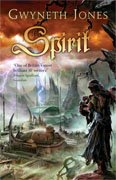 by Gwyneth Jones. The Count of Monte Cristo


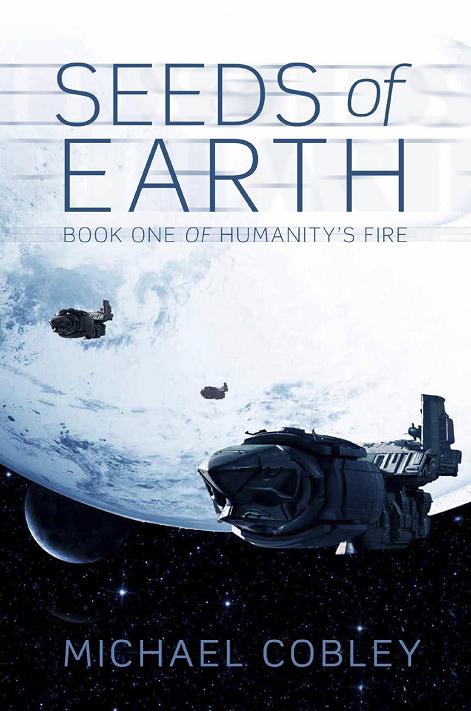 Speaking of space opera, there’s some excellent stuff due out in the coming twelve months… There’s The New Space Opera 2

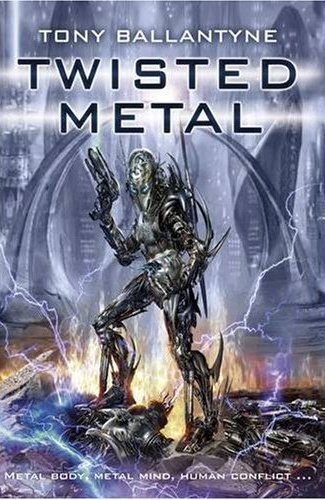 science fiction”, but then his new book, due in May from Tor, is titled Twisted Metal


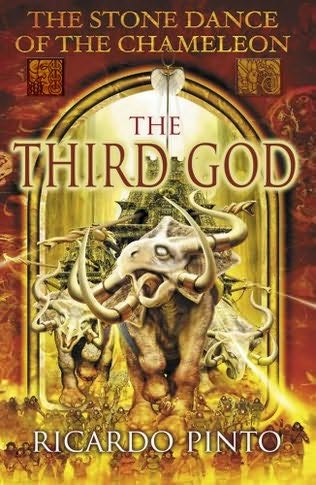 I do read some fantasy, just not as much as I read science fiction. Or mainstream, for that matter. I’m looking forward to Mark Charan Newton’s debut, Nights of Villjamur


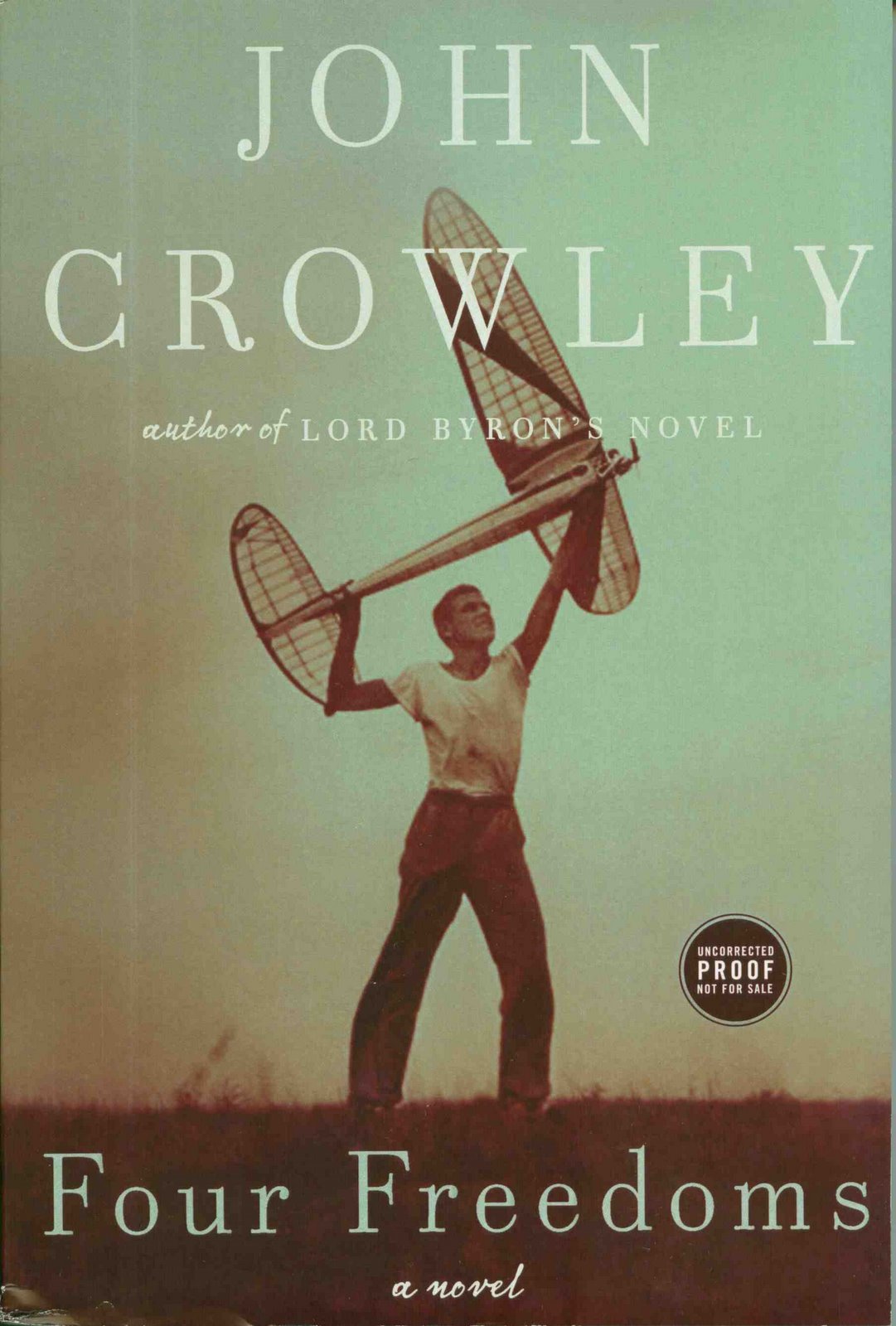 but since it’s by him I’ll be buying it anyway. That’s out in June from Morrow. Likewise Iain Banks’ new novel, provisionally titled Transitions
 , at school, and enjoying it very much. But it wasn’t until a couple of decades later that I came across his Master Mariner series –
  and
and  .
. , in which a man visiting the frozen north of Canada is told of a cave containing artefacts from a civilisation which preceded humanity. Or
  , which initially reads as a straightforward spy thriller but becomes something entirely different on the last page.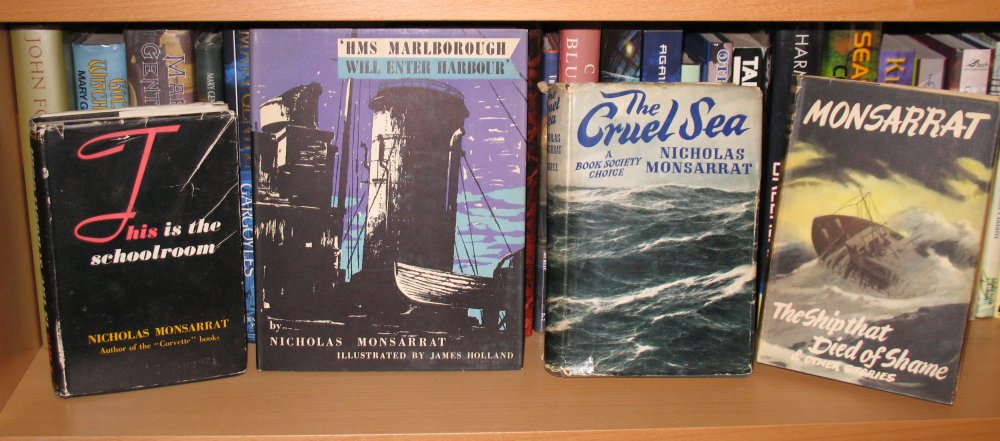
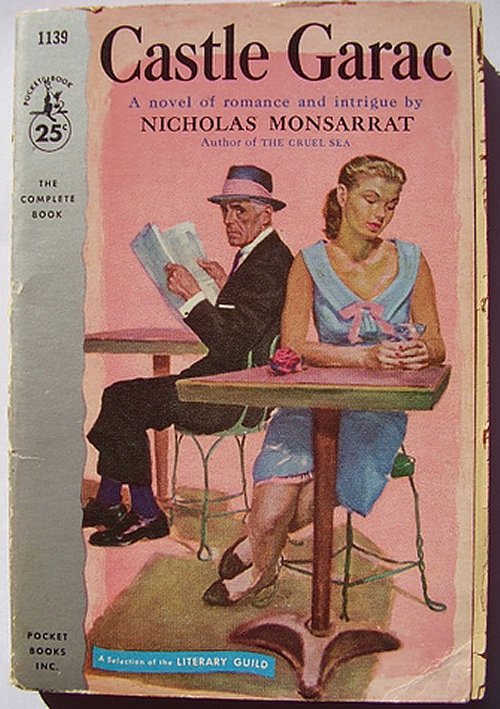
 was, as far as I’m aware, published as a paperback original.
 (starring Joan Crawford),
  (starring Richard Attenborough), and
  (starring Peter Finch).
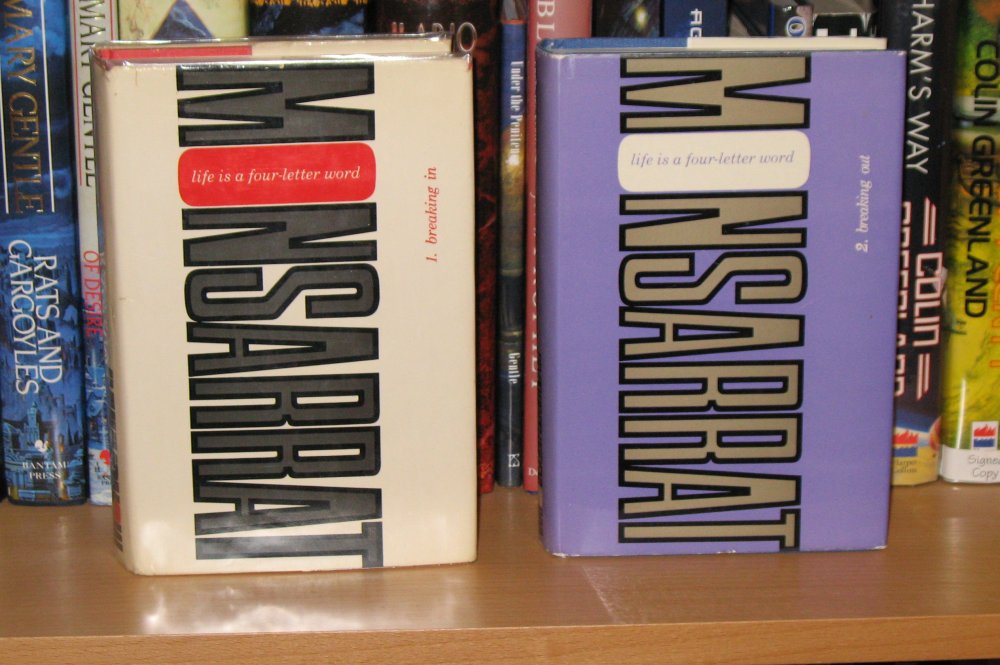
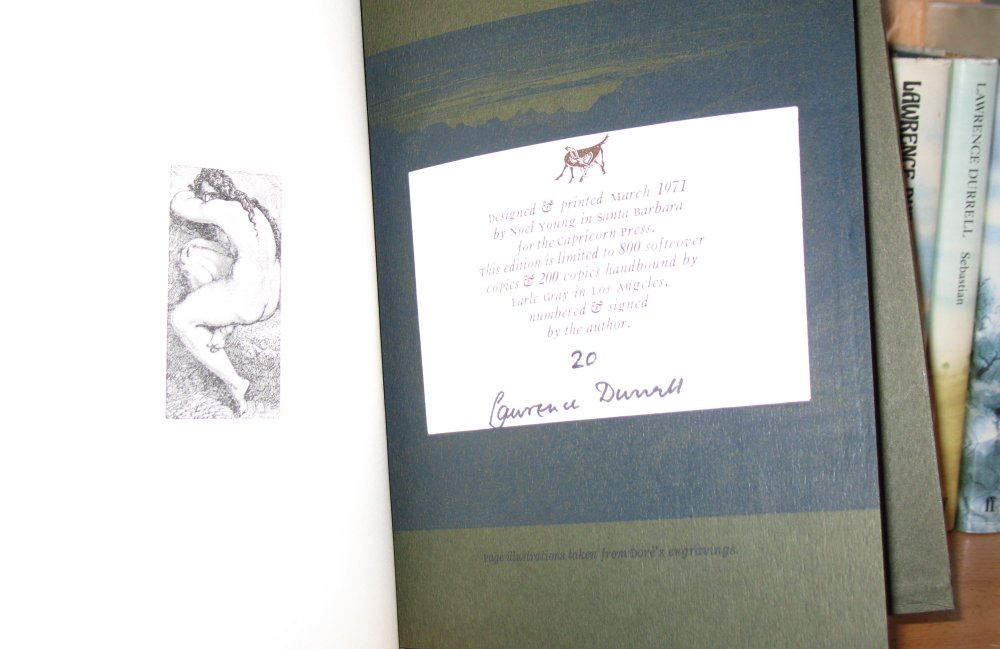
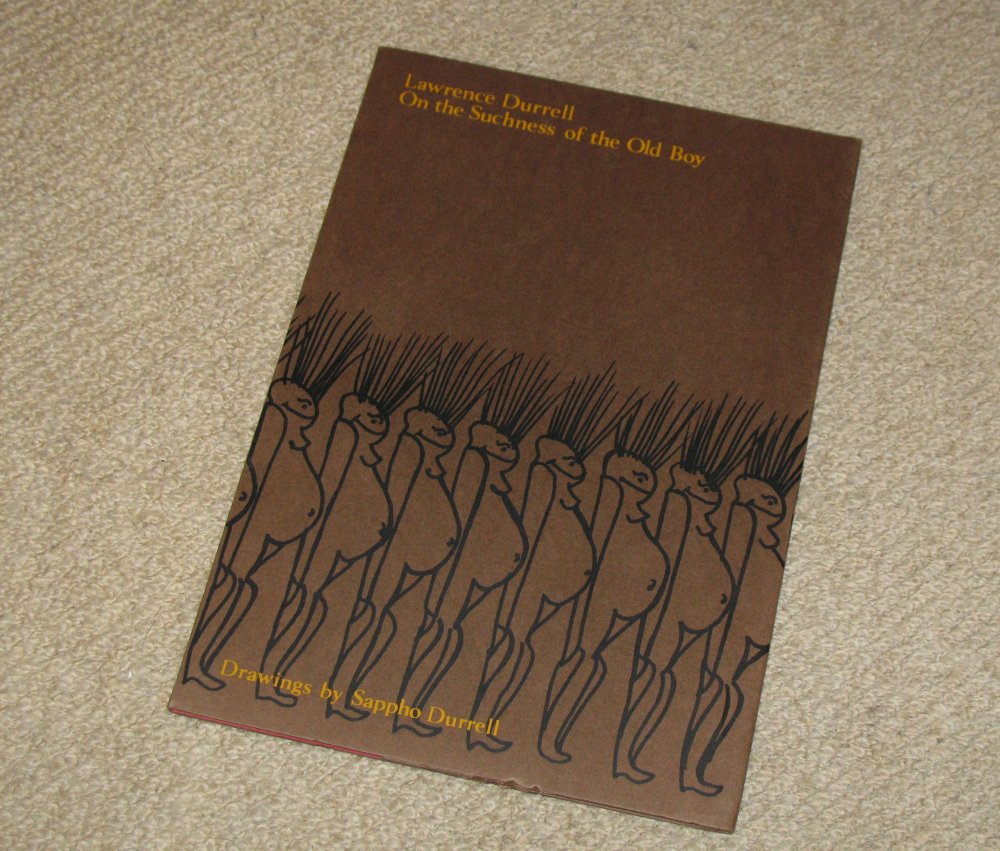
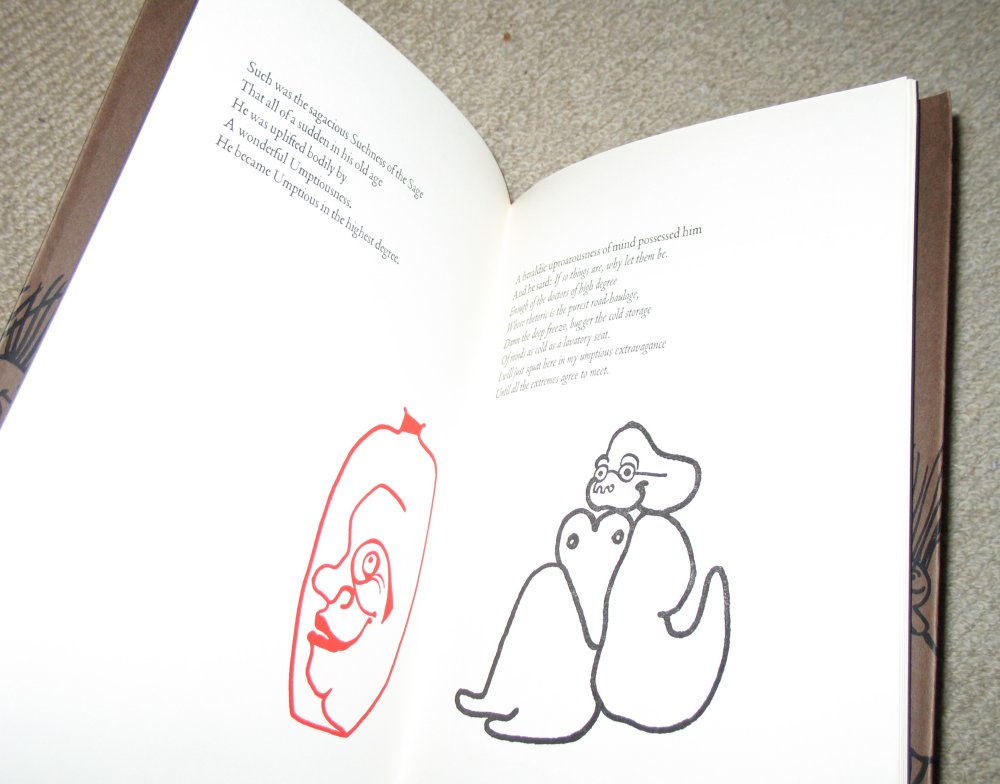
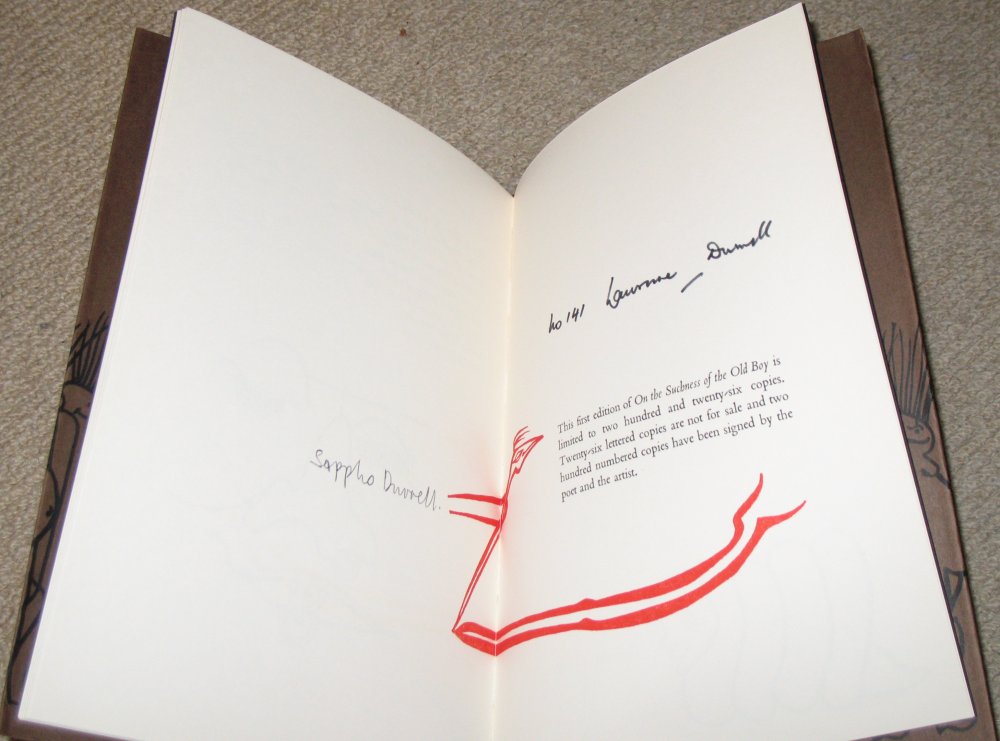
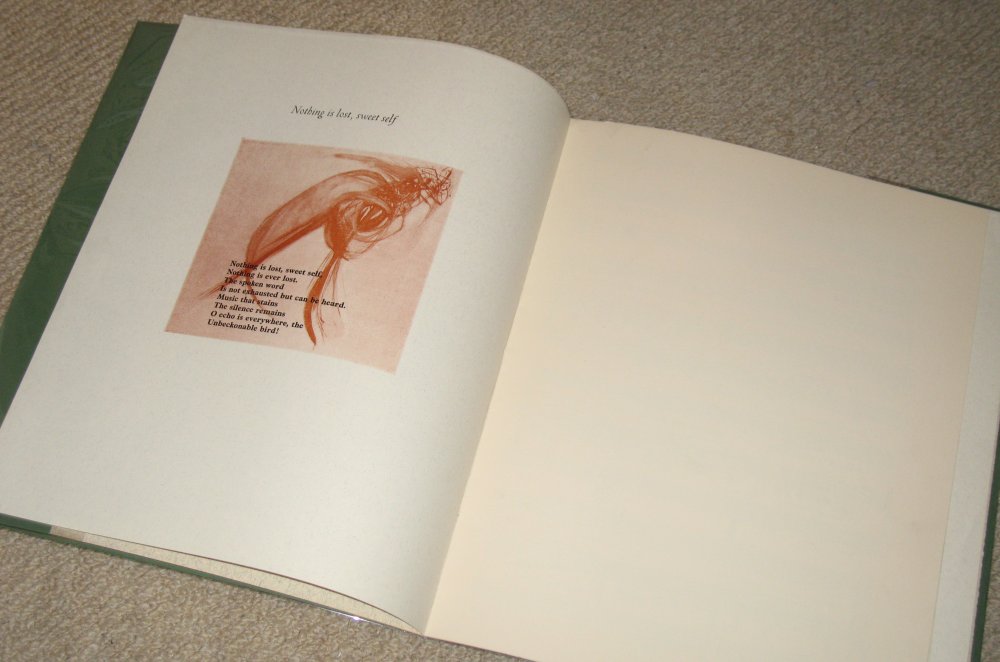
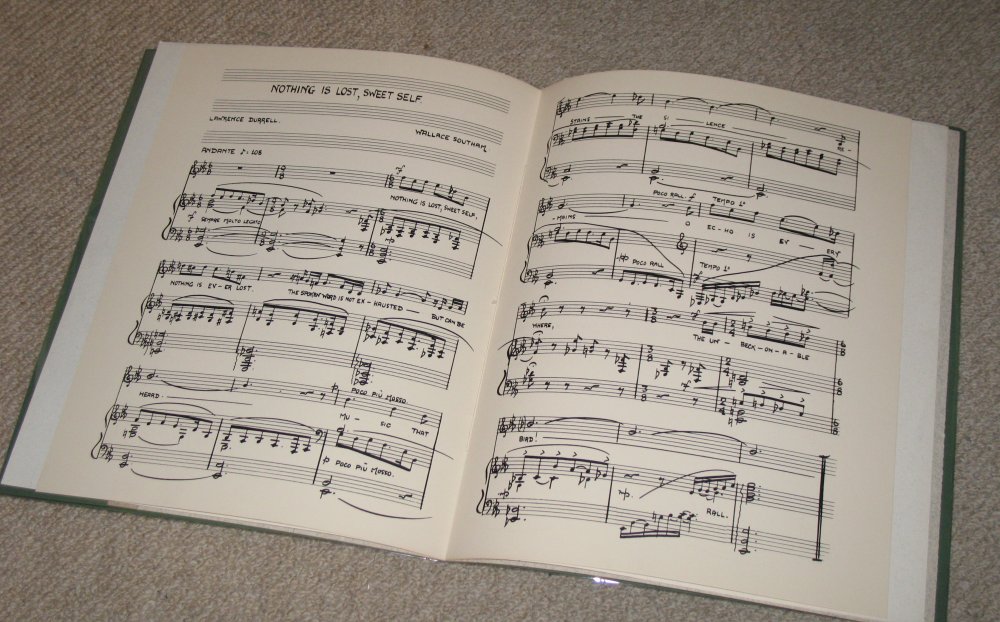
 , published by Capricorn Press. The story is framed as a letter from Durrell to his Aunt Prudence, and describes the journey on which she will be taken by Charon… and which turns increasingly anatomical. It’s beautifully produced, as can be seen from the photos.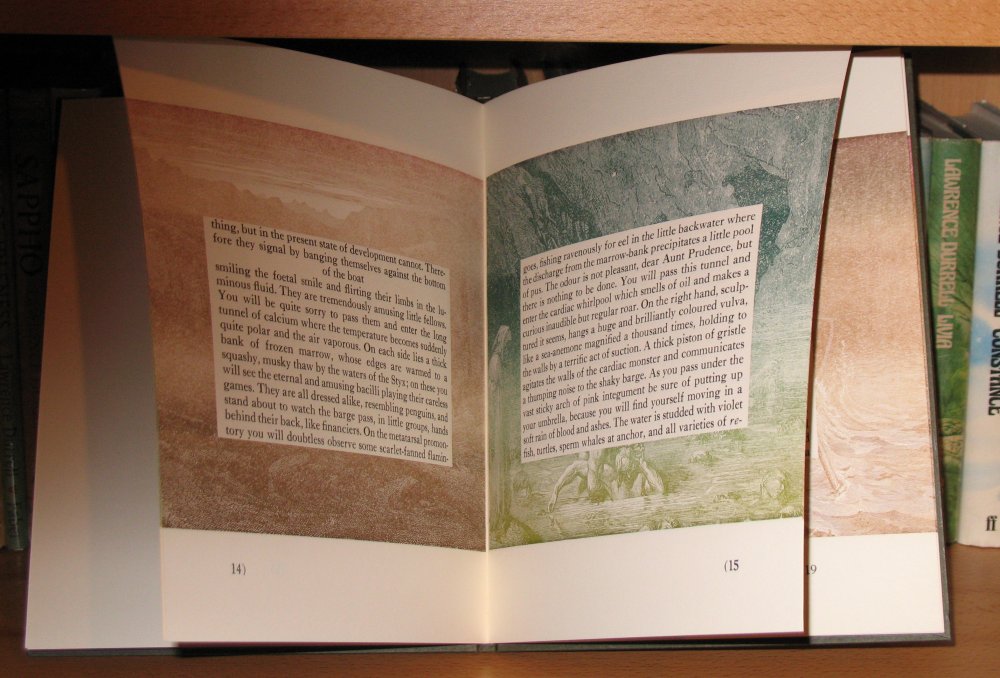

 and
and  .
. 

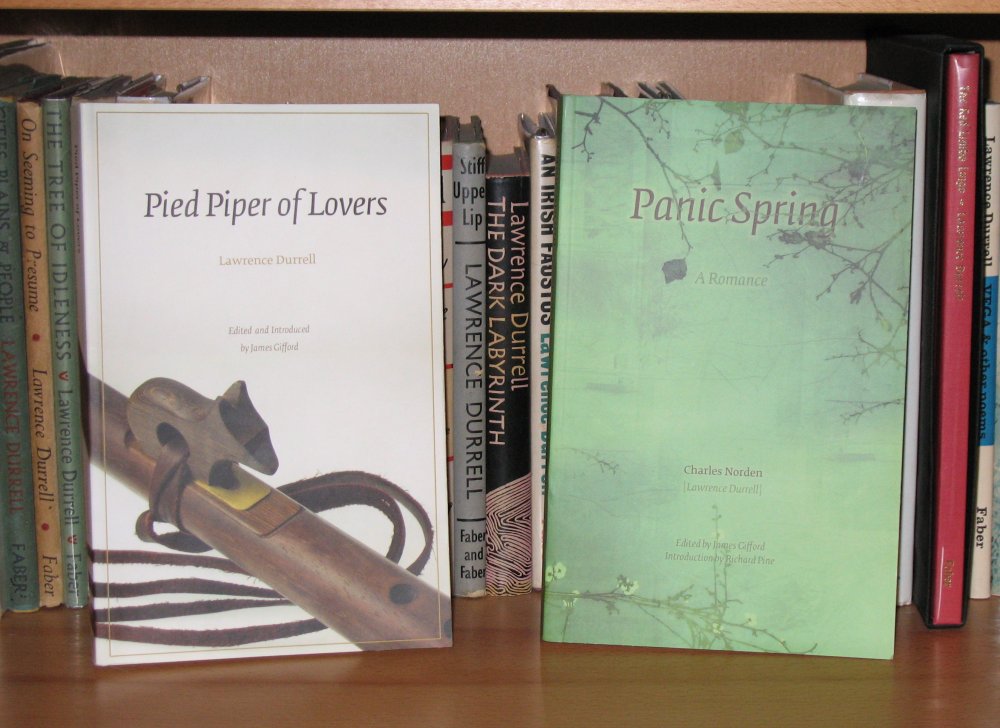
 in 2007 (see
  a few years before that, and likewise Pohl’s
  … And finally, some on the list might only be considered minor classics, but I wanted to reread them anyway. So there.
 , EE ‘Doc’ Smith (1941)
 , James Blish (1952)
 , Robert Heinlein (1961)
 , Harry Harrison (1961)
 , Jack Vance (1964)
 , Ursula K Le Guin (1969)
 , Larry Niven (1970)
 , Philip José Farmer (1971)
 , Arthur C Clarke (1972)
 , Alan Dean Foster (1972)
 , Robert Silverberg (1980)
 , AA Attanasio (1981)


 , Patricia Highsmith – I’d seen the film and enjoyed it, and I’d read in numerous places that Ripley was one of literature’s great anti-heroes. But I can’t say this book impressed me all that much. It struck me as mostly unremarkable.
 , Ernest Hemingway – Hemingway is one of literature’s greats. He was awarded the Nobel in 1954. So it came as something of a surprise to discover that I couldn’t finish
  , Rudyard Kipling – I’ll admit I enjoyed this. Old-fashioned prose, yes; but a good adventure set in an exotic location. It was fun but hard to see as great literature. All the same, it was the first book of the challenge I was glad I’d read.
 , Anthony Powell – this was more like it. It was exactly the sort of fiction I enjoy and was hoping to find during my challenge. I’d like to read the remaining eleven volumes of Powell’s
  , Joseph Conrad – another one I couldn’t finish. Having said that, I’m more predisposed to give Conrad a second chance than I am Hemingway. Perhaps one day I will.
 , Katherine Mansfield – another one that, like the Highsmith, didn’t do anything for me. Moving on…
 , Gerald Durrell – I started to run a bit late on the challenge in August, and didn’t read this book until September. But it’s another one I’m glad I read. It was entertaining, very funny, and I was much amused by the characterisation of my favourite author, Lawrence Durrell. Not a book I’ll ever read again, but a good one.
 , Ford Madox Ford – I was slowly beginning to catch up, although once again I read this a month late in November. It was… okay. Although it’s easy to see how it was a seminal work, it’s been overtaken by so many subsequent novels that its appeal seems chiefly historical. While not as much fun as
  , Jack Kerouac – at last, back on track: I managed to finish this before the end of November. Sadly, it was one that did nothing for me. The “spontaneous” prose more often than not read like prose that hadn’t been edited, the characters were unlikeable and spoke mostly pretentious bollocks, and I couldn’t understand the appeal of the book’s premise.


