It Doesn't Have To Be Right…

… it just has to sound plausible


Leave a comment

The future we used to have, part 6

Time for yet another in my ongoing series on retro-futures. The past, they say, is another country and they do things differently there. But the future we’ve come to inhabit is every bit as different as the one the past imagined into existence. And not necessarily for the better. We never had utopia within our reach, but neither should we have turned our back on the struggle towards it.

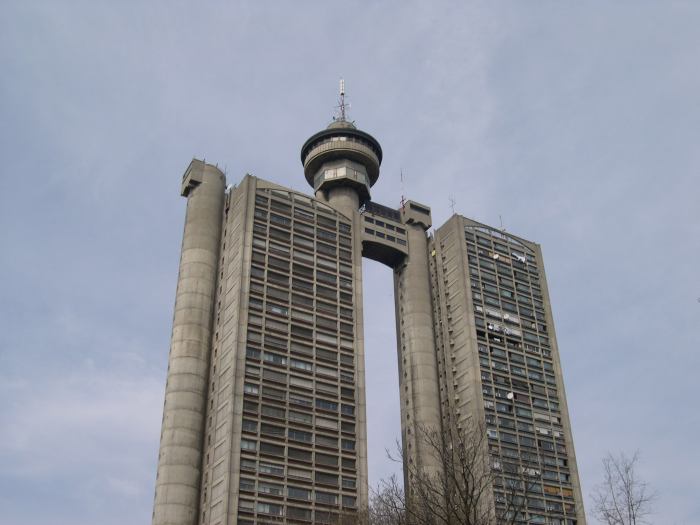
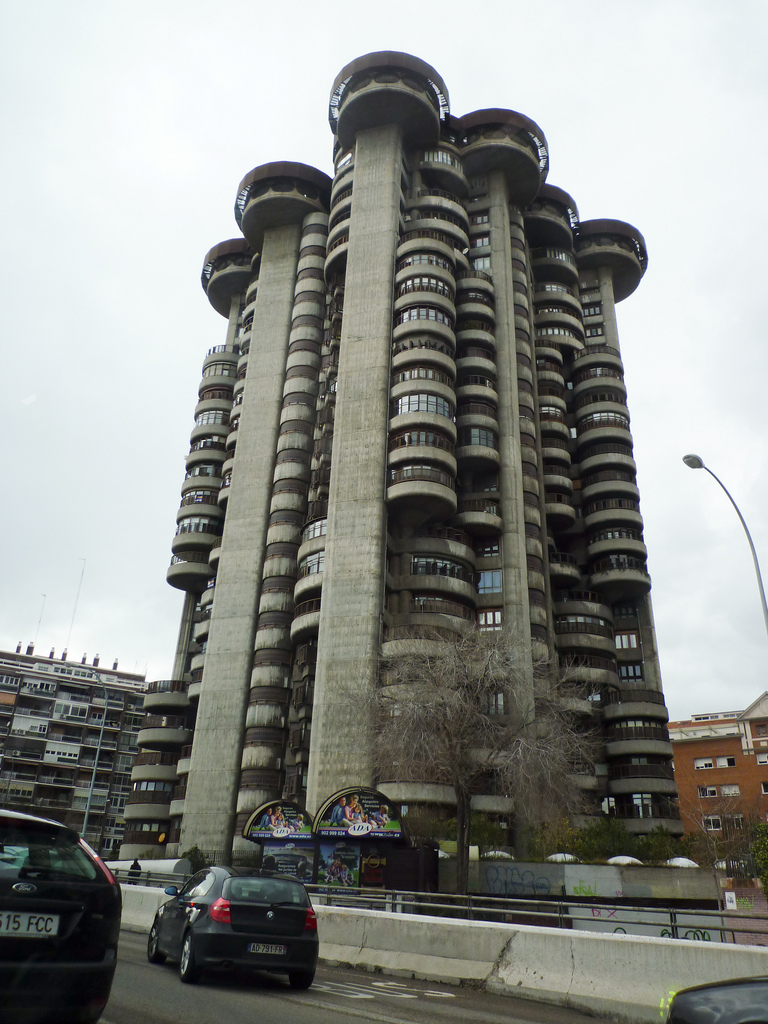
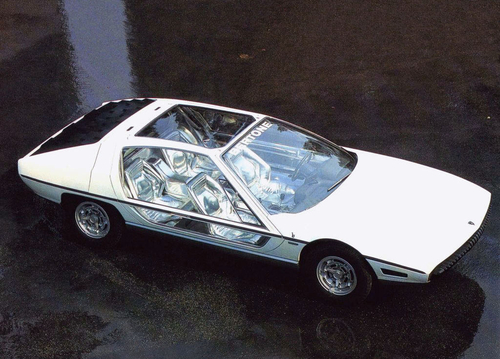
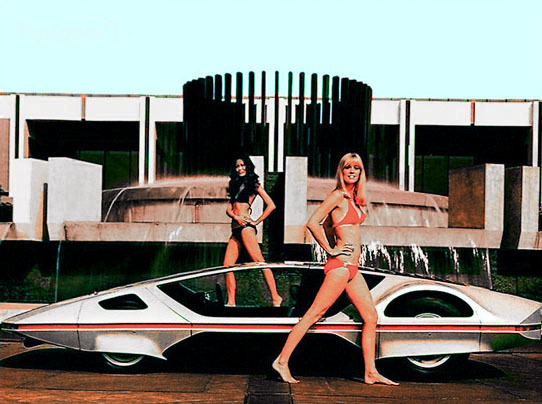
There is something that strives towards utopia in Brutalist architecture – which no doubt explains why so many Brutalist projects did not ultimately survive. The car designs of Nuccio Bertone seem to me the closest automobile equivalent. And I still think the Lamborghini Marzal is one of the nicest-looking cars ever designed. According to Wikipedia, the Marzal was a one-off concept car, but I have a very clear memory of seeing one in lime green in Doha, Qatar, during the early 1970s. It belonged to a sheikh, and my father even got to drive it.

buildings

Genex, Tower, Belgrade

Habitat 67, Montreal

Torres Blancas, Madrid

Geisel Library, University of California, San Diego

Tricorn Centre, Portsmouth (demolished 2004)

Alexandra Road Estate, London

cars

Lamborghini Marzal, 1967 (Bertone)

Inside the Lamborgini Marzal (Bertone)

Alfa Romeo Navajo, 1976 (Bertone)

In the future, all drivers will wear crash helmets and skintight clothing: Alfa Romeo Carabo, 1968 (Bertone)

In the future, all drivers will wear bikinis: Ferrari 512 S Modulo, 1970 (Pininfarina)

planes

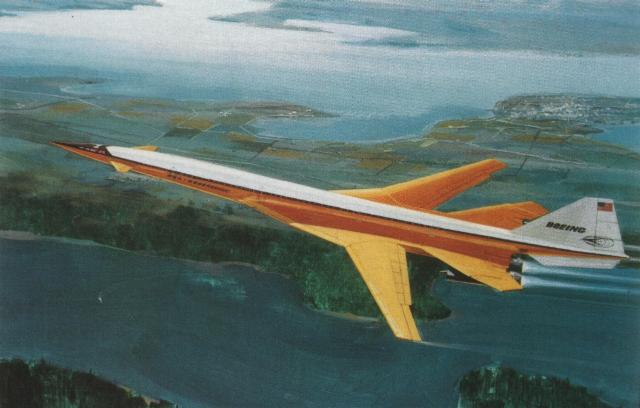
Boeing 733 SST

Myasishchev M-50 Bounder supersonic bomber

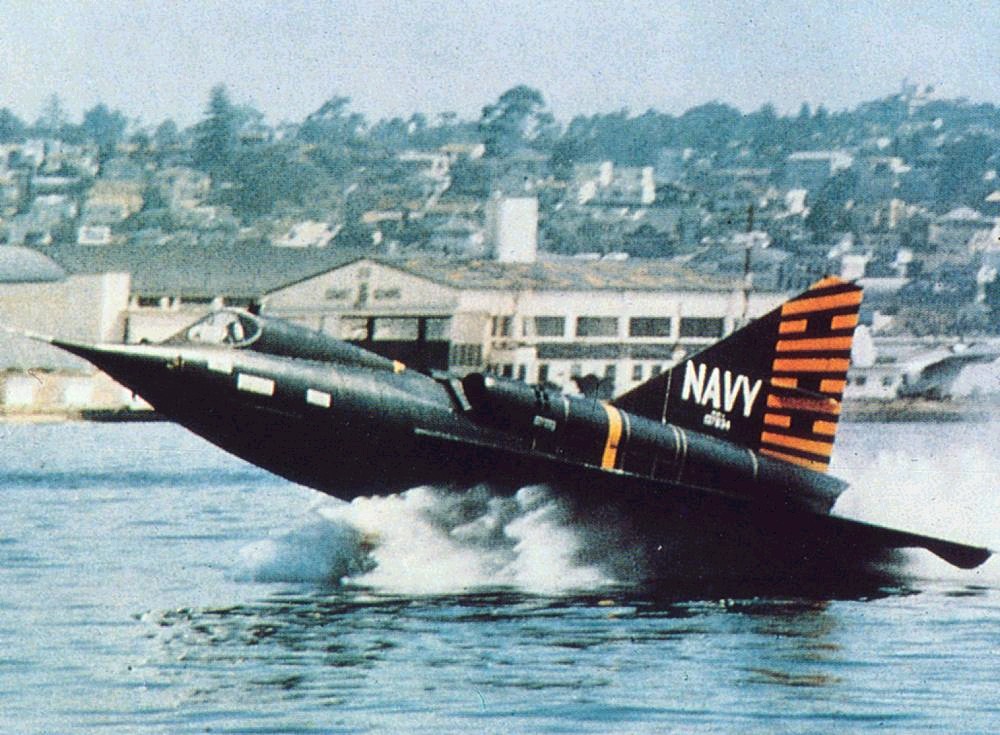
Rockwell XFV-12 supersonic VTOL fighter

McDonnell XF-88B hybrid supersonic jet-turboprop fighter

space

Hyperion Single Stage To Orbit (Philip Bono)

ROMBUS, Pegasus and Ithacus SSTOs (Philip Bono)

Boeing LEO SSTO

Soviet SPIRAL Project: GSR and OS (source: http://www.buran-energia.com)


3 Comments

The future we used to have, part 5

Perhaps at one point last century the future was so bright because of all those nuclear bombs exploding – at least, so they imagined. But they were also wildly optimistic about what the twenty-first century would hold. And it certainly wasn’t double-dip recessions, an ever-widening equity gap, anthropogenic global warming, and rule 34. Sometimes they built the future as they saw it, sometimes they just drew it. Either way, it appeals more than what we actually got…

architecture

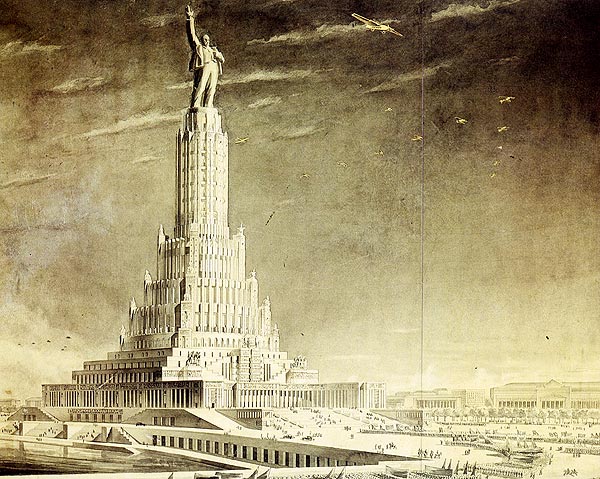
Palace of the Soviets. B Iofan, O Gelfreikh, V Schuko, sculptor S Merkulov - 1934 version

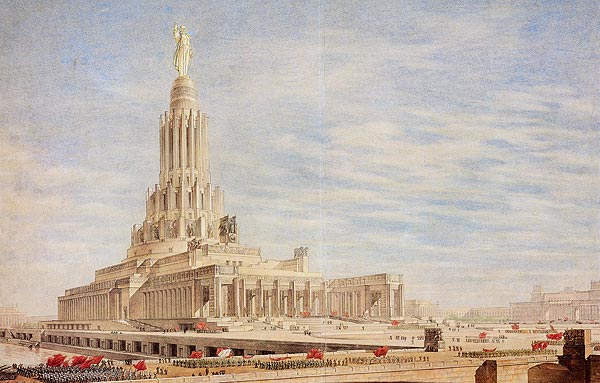
Palace of the Soviets. B Iofan, O Gelfreikh V Schuko, sculptor S Merkulov - 1946 version

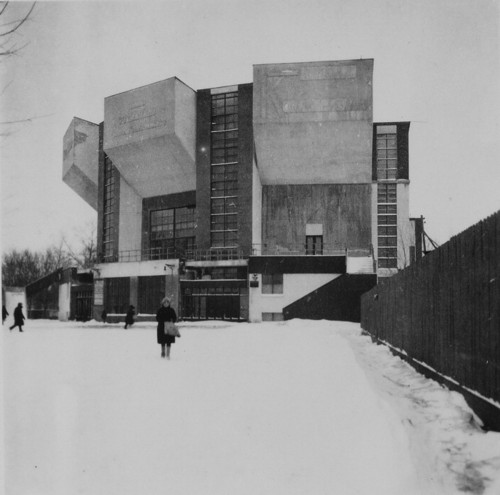
Rusakov Workers' Club

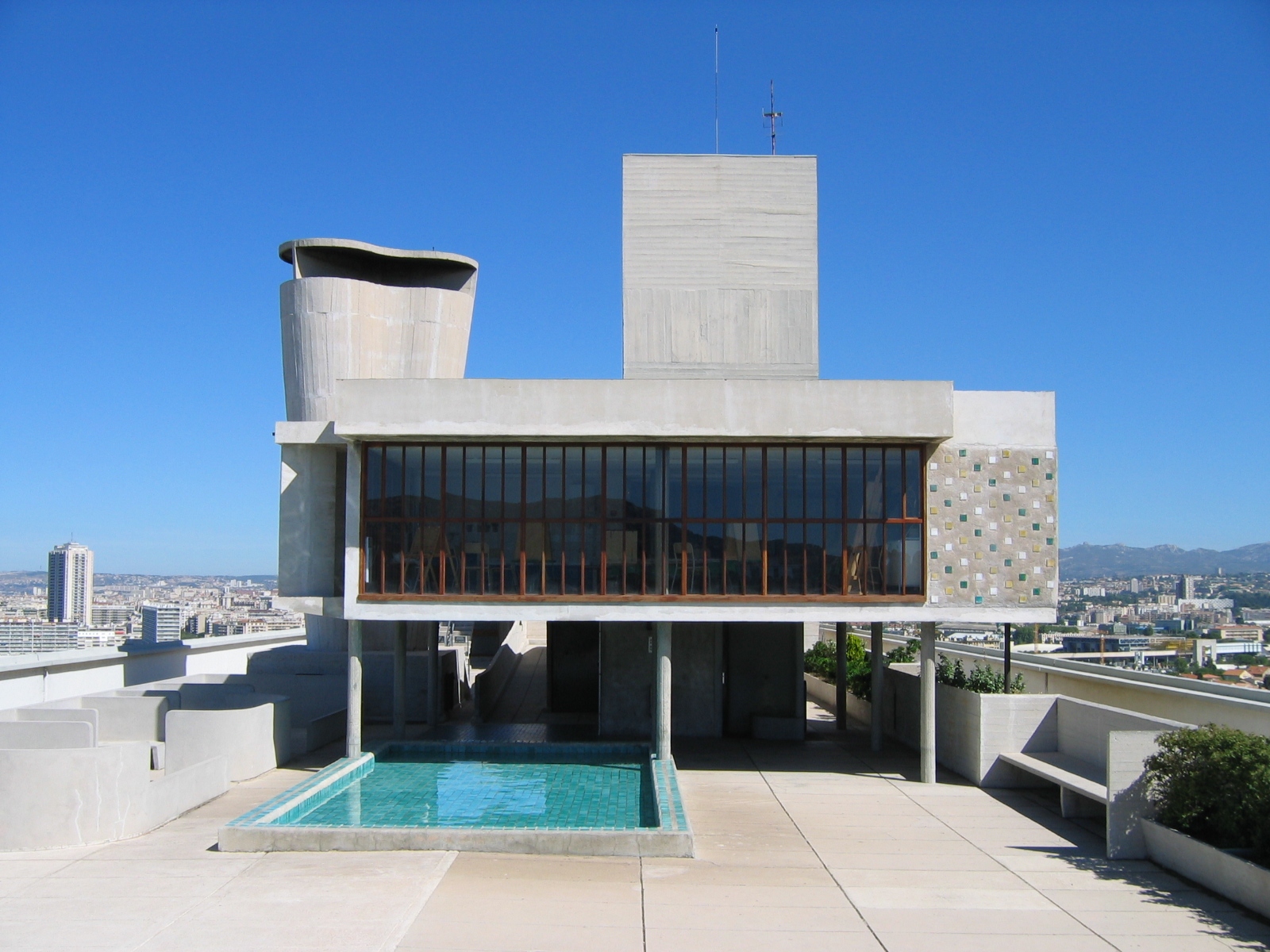
Le Corbusier House

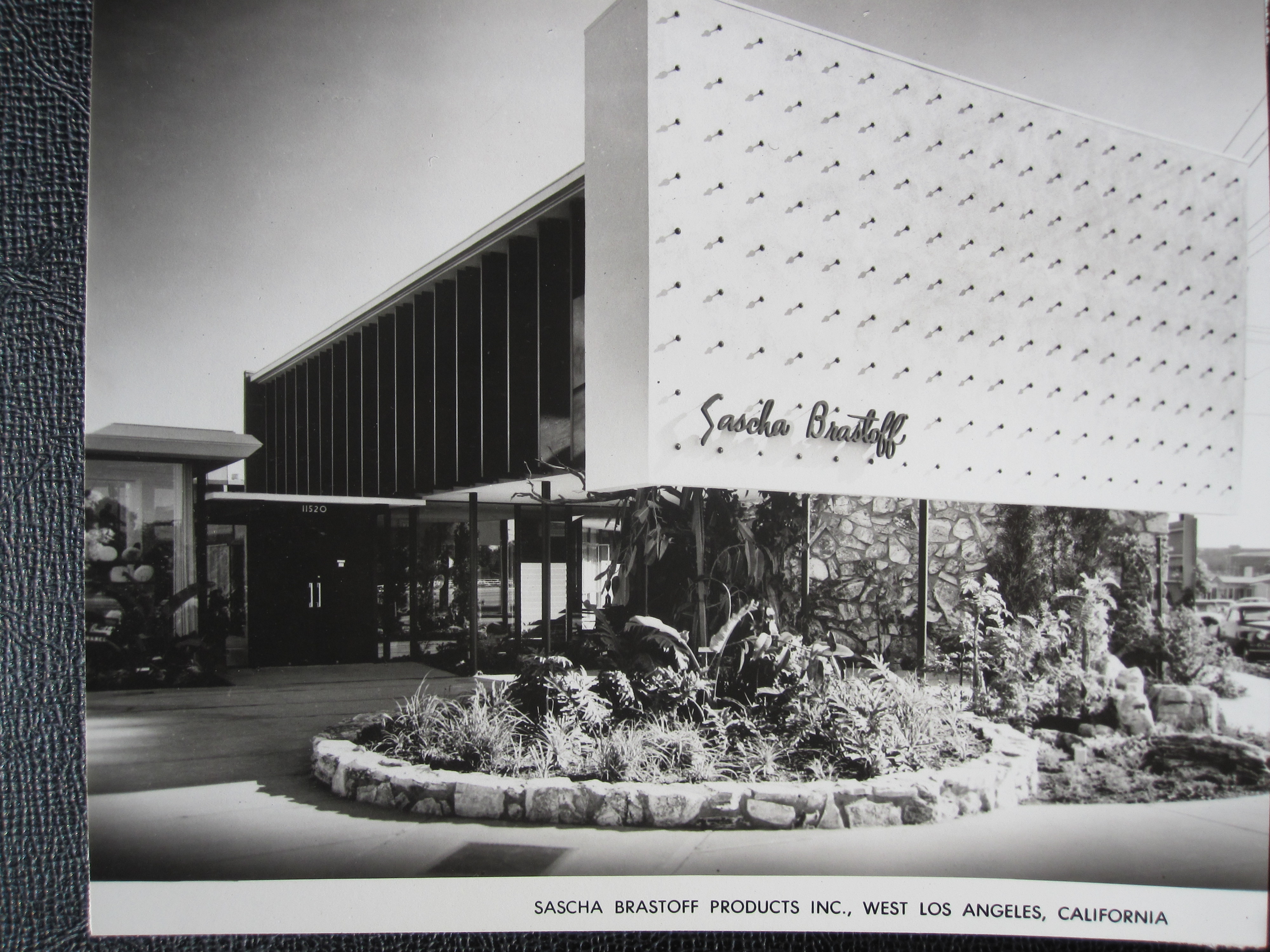
Brastoff Factory, Julius Shulman

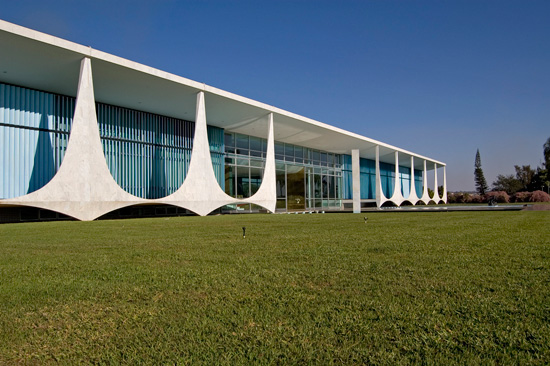
Palácio da Alvorada, Oscar Niemeyer

air

V-Bombers: Vickers Valiant (source: ausairpower.net)

V-Bombers: Handley Page Victor (source: airliners.net)

V-Bombers: Avro Vulcan (source: aeroflight.co.uk)

Northrop YB-35 Flying wing cockpit

sea

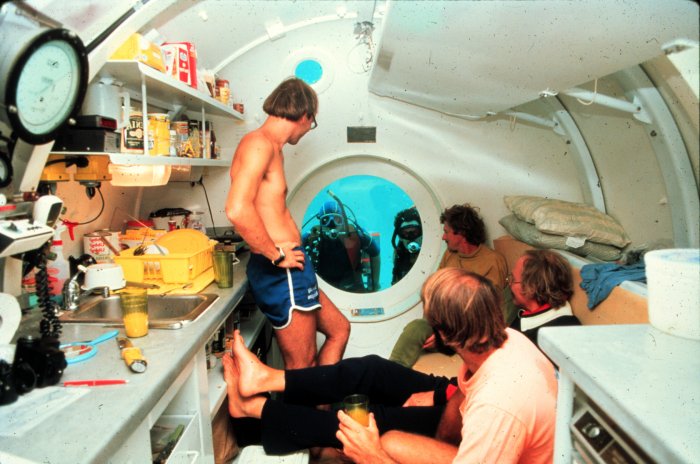
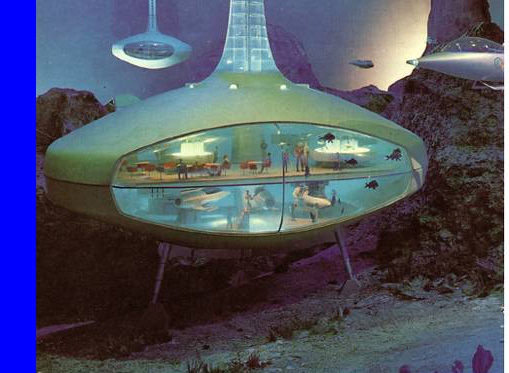
Aquarius Underwater Laboratory (source: NOAA)

Inside Aquarius Underwater Laboratory

space

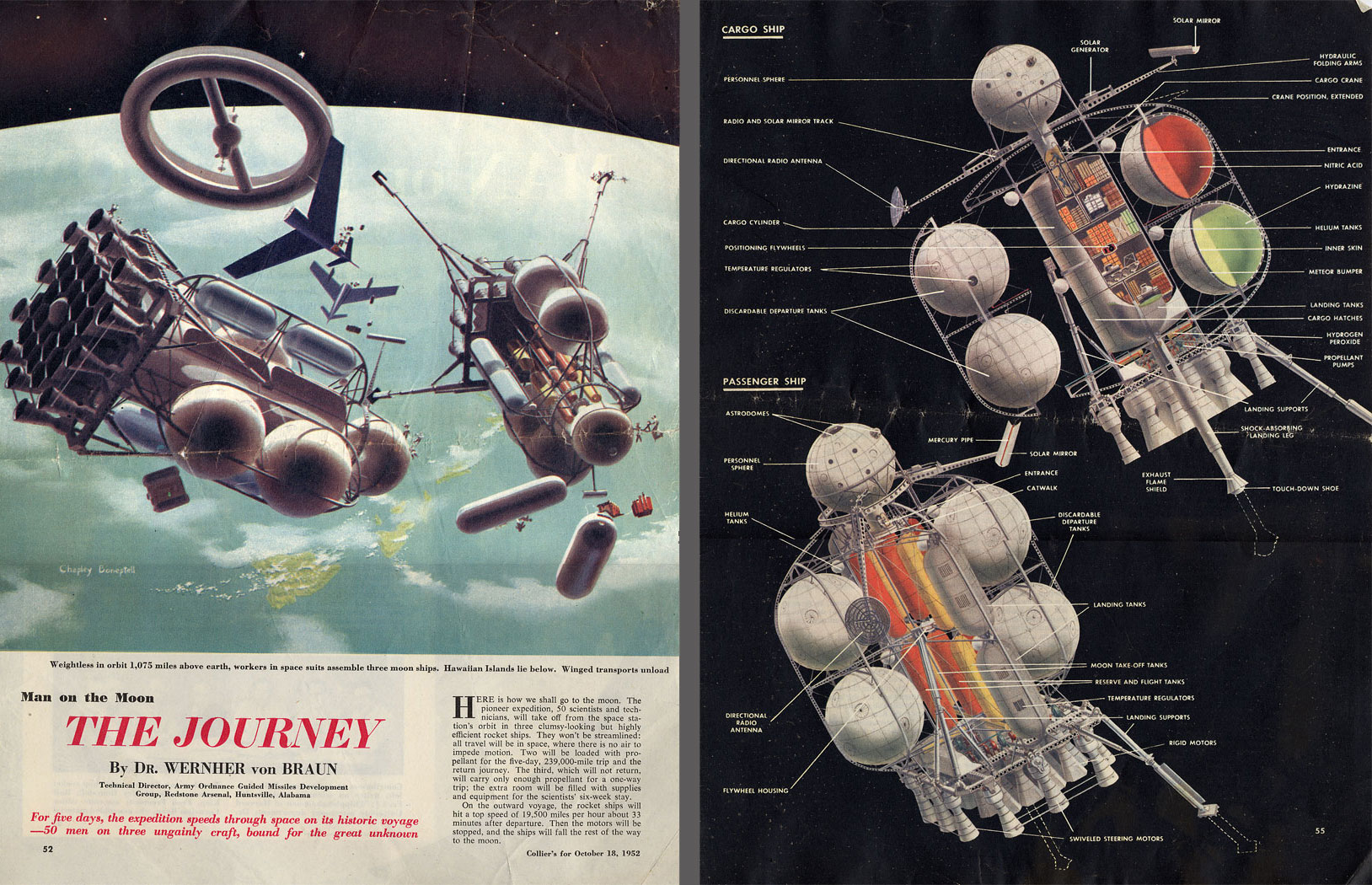
Moon Ships (from Collier's Magazine, 1953)

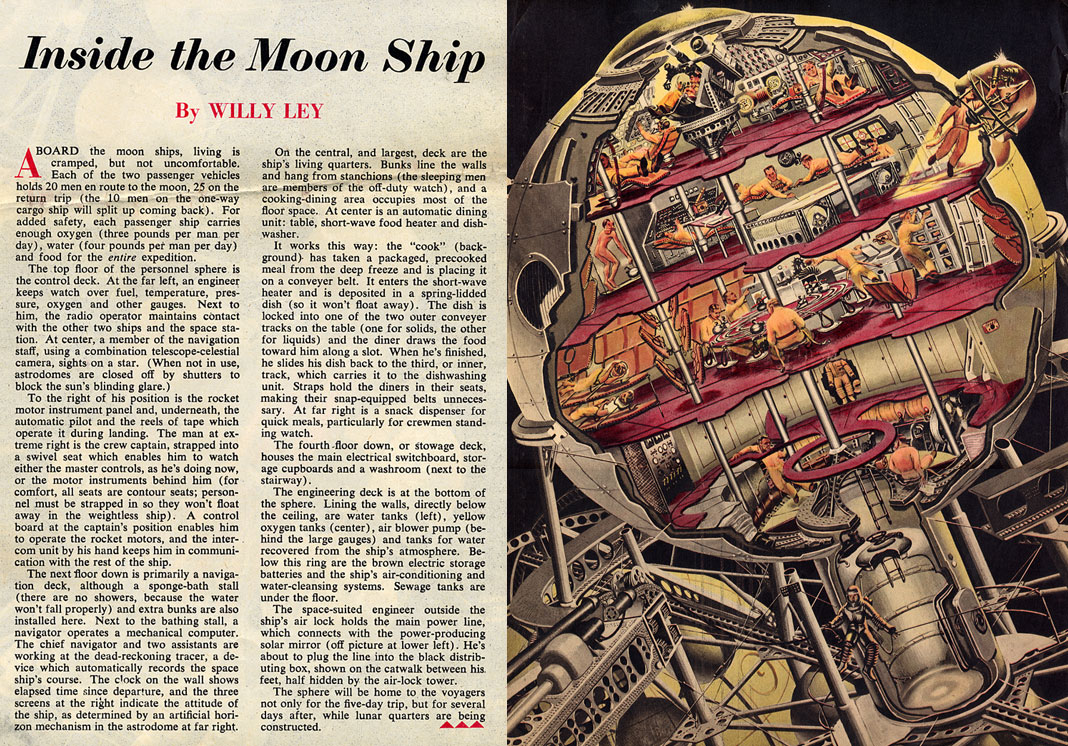
Inside the Moon Ship (from Collier's Magazine, 1953)


1 Comment

The future we used to have, part 4

Time for something nice to look at, so here are some photos and artwork of what the year 2000 might have looked like from earlier decades…

land

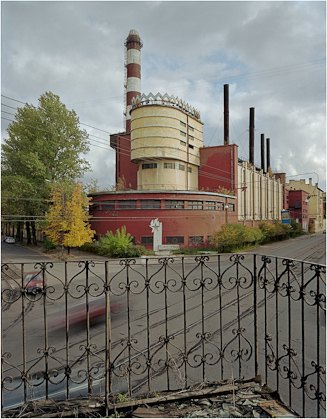
Red Banner Textile Factory, St Petersburg, by Eric Mendelssohn (source: Lost Vanguard: Soviet Modernist Architecture 1922-32, Richard Pare)

Park Synagogue, Cleveland Heights, by Eric Mendelssohn

The De La Warr Pavilion, Bexhill, East Sussex

Palacio de los Deportes, Mexico City, by Félix Candela

Centrosoyuz Building, Moscow, by Le Corbusier (source: Lost Vanguard: Soviet Modernist Architecture 1922-32, Richard Pare)

People's Commissariat for Heavy Industry (proposed): I Fomin, P Abrosimov, M Minkus 1934

water

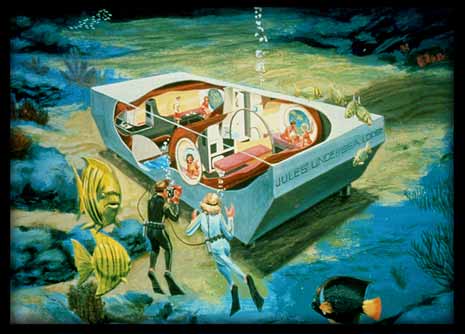
Jules Underwater Lodge (source: http://www.jul.com)

The Ben Franklin cutaway from Popular Science (source: http://seawifs.gsfc.nasa.gov)

air

Republic XF-12 Rainbow

Convair NB-36, which carried a nuclear reactor

Saro Duchess, a jet-powered version of the Princess

North American XB-70 Valkyrie

North American XF-108 Rapier

Hawker P.1103 (source: http://rp-one.net)

space

The US military's Manned Orbiting Laboratory

An early Shuttle proposal

Space Station Freedom, circa 1985


1 Comment

The future we used to have, part 3

Being the next in an ongoing and irregular series of posts featuring cool pictures from around and about the tinterweb of cool modernist and futurist vehicles, buildings, and suchlike. Some are real, some never got off the drawingboard.

aircraft

Convair Sea Dart

Avro 730 model kit

Vickers Type 559 interceptor

spacecraft

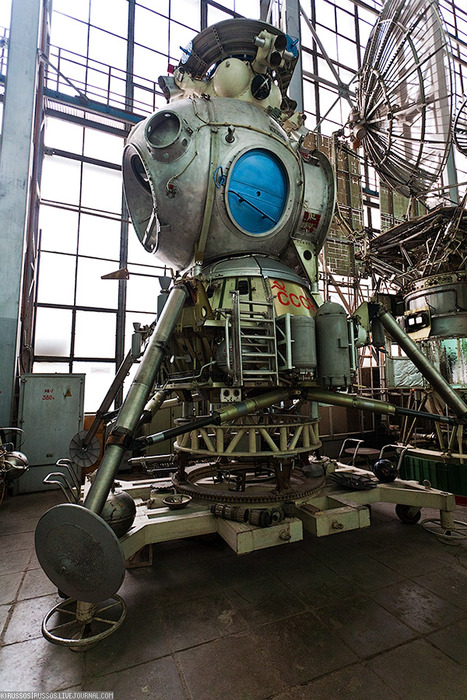
Soviet LK lunar lander

Proposed Mars mission

cars and trucks

General Motors Futureliner

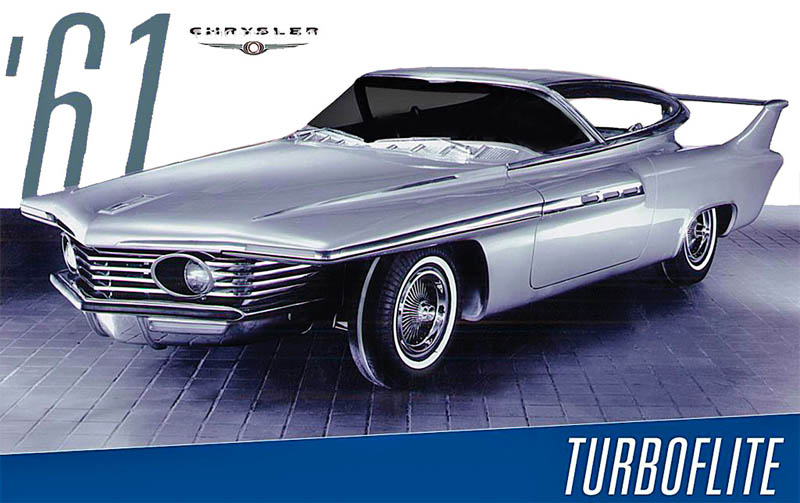
Chrysler 1961 concept car

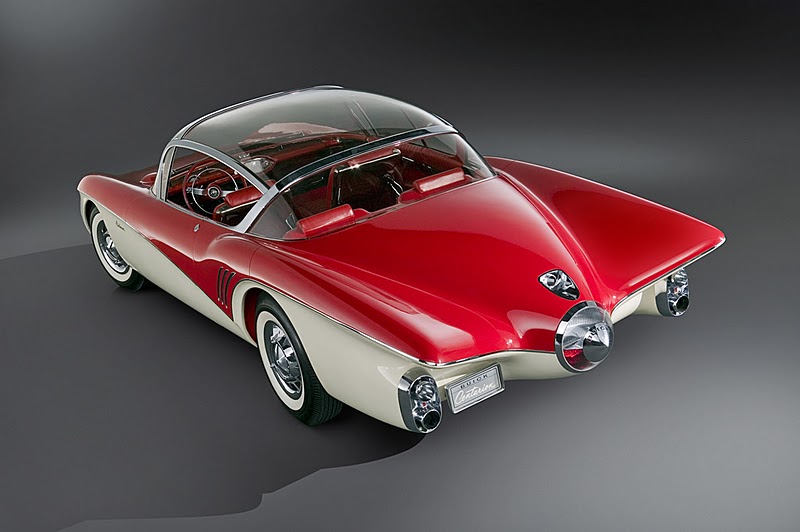
Buick 1956 concept car

buildings

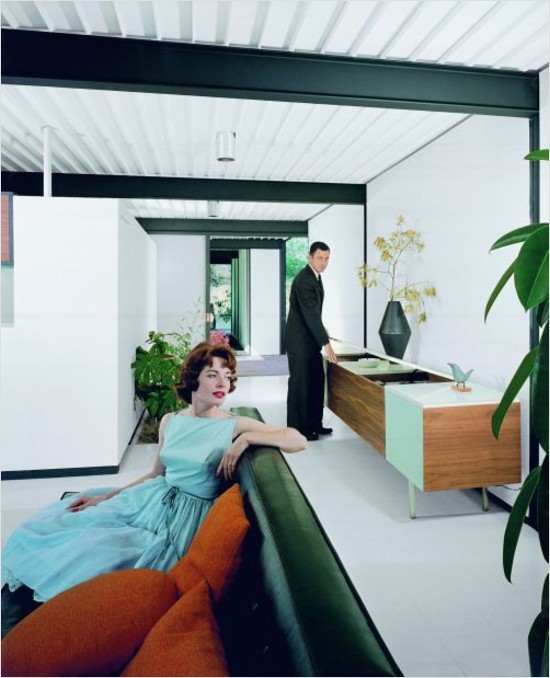
credit: Julius Shulman

Credit: Julius Shulman

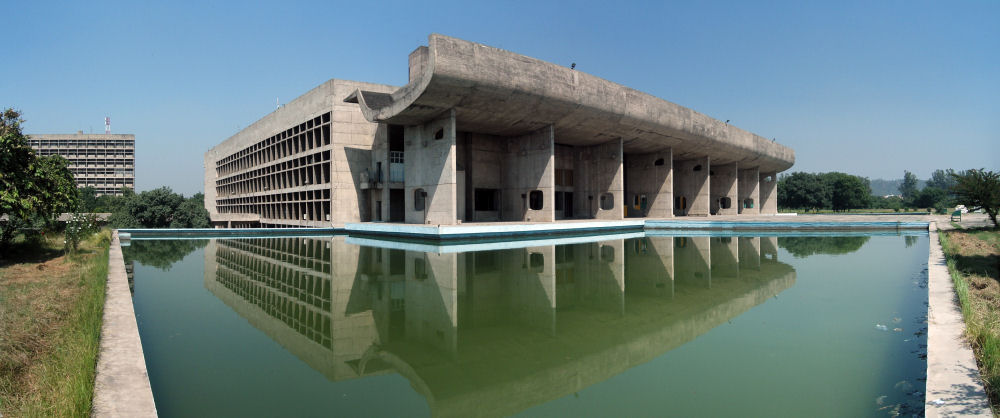
Le Corbusier Museum, Chandrighar, India

cities

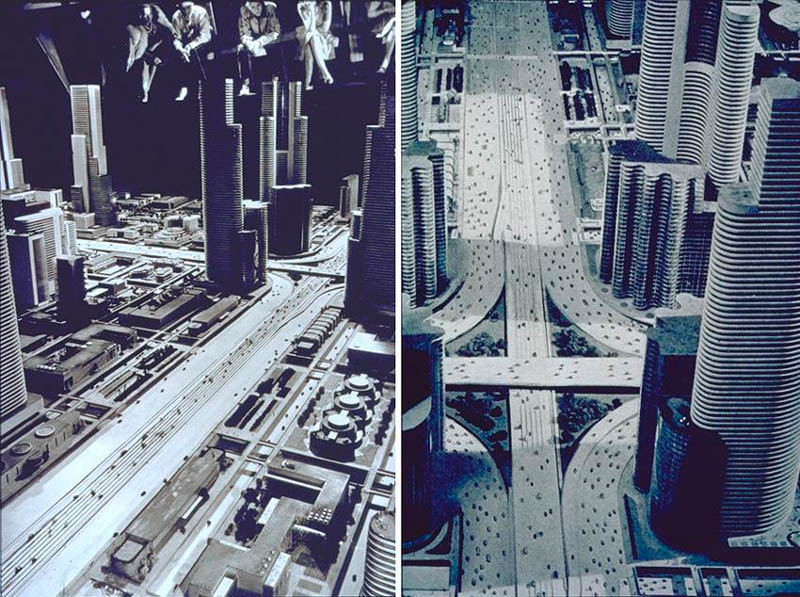
From World Fair 1939

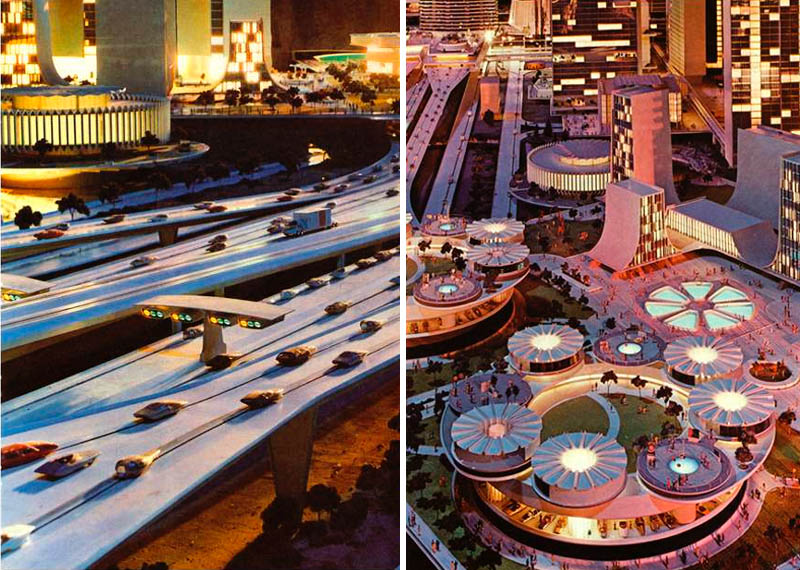
From GM Futurama 1964

Underwater habitat from GM Futurama 1964


1 Comment

The future we used to have, part 2

Here’s yet more pictures and photos from around the internet. This is how we could be living now, instead of watching powerlessly as our scumbag Tory government robs us and stuffs the proceeds into the pockets of the filthy rich. The twentieth century, despite – or perhaps because of – two world wars, seems like it may have been a great social experiment; and we’re rapidly returning to the good old days of inequity, inequality, rampant greed and systemic abuse of privilege. Last century, they reached the peak of the world’s tallest mountain for the first time; they put twelve men on the Moon; they visited the deepest part of the ocean, where the pressure is seven tons per square inch…

This century we can’t even agree to save our own dying planet.

So let’s look at some nice pictures of where we could have been instead.

buildings

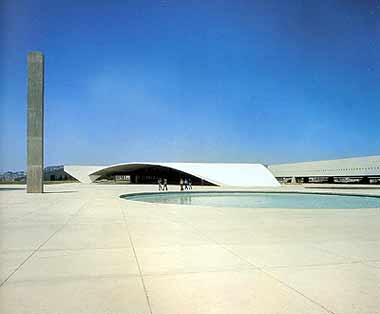
Oscar Niemeyer's University of Constantine, Algeria, 1968

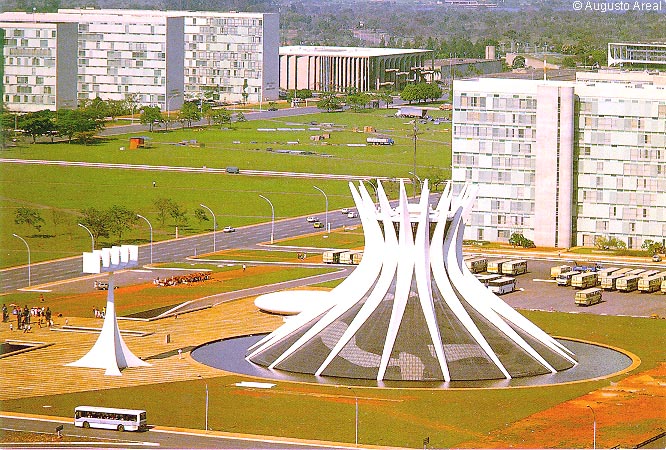
Oscar Niemeyer's Cathedral of Brasilia

data centres

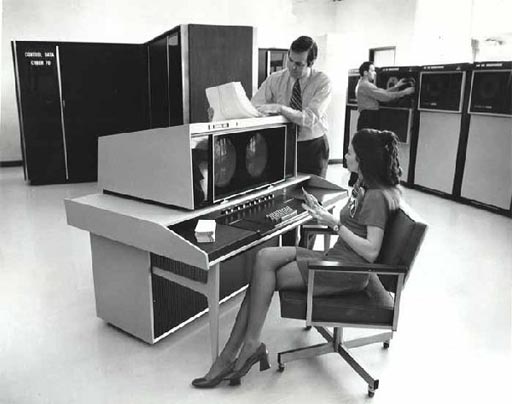
An IBM mainframe

IBM 360 mainframe, 1964

spaceplanes

Air launch is the way forward

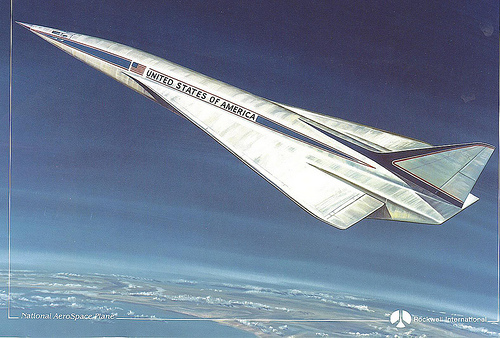
Rockwell X-30 spaceplane

houses of the future

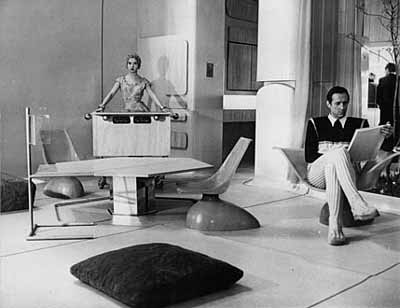
Alison and Peter Smithson in their House of the Future at the "This is Tomorrow" exhibition, 1956


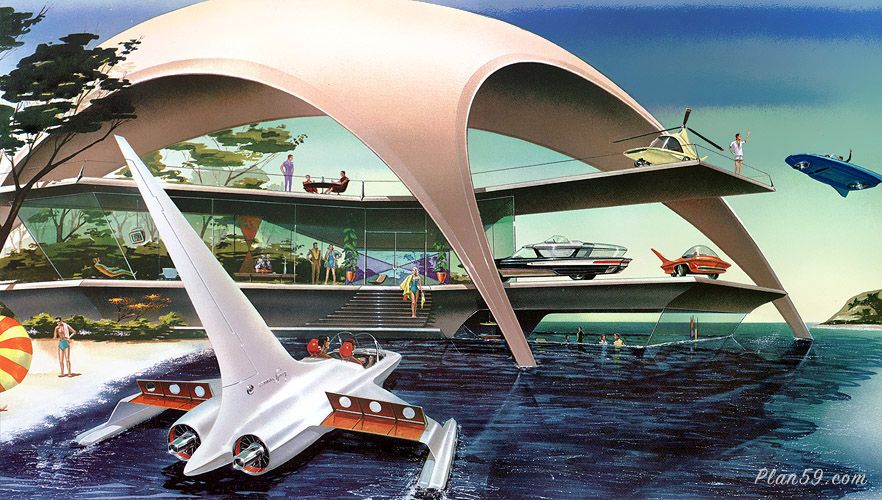
Vacation House of the Future c. 1957, James R. Powers

moonbases

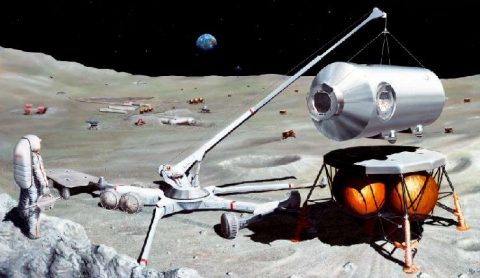
Credit: NASA

(This, incidentally, is as near I plan to get to escapism with my science fiction…)


7 Comments

The future we used to have

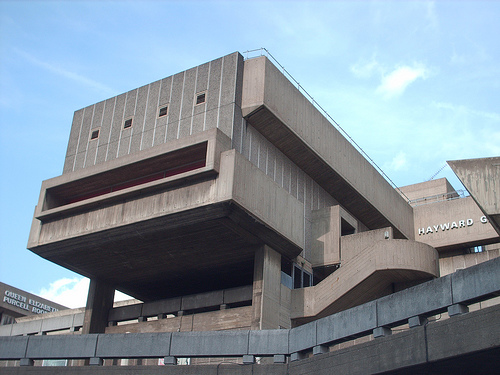
I find the aesthetics of 1960s and early 1970s futurism enormously appealing. All those giant concrete, well, shapes masquerading as buildings, the sleek supersonic aircraft, the sheer optimism of it all… Of course, much of it remained on the drawing-board – we have no moon base, no jet-packs, and we’ve yet to reach Mars. But some of it was actually built. Here are a few photos of the ones that came true.

buildings

The National Congress Building, Brasilia

The Hayward Gallery, London

The Georgian Ministry of Highway Construction. Photograph: Frédéric Chaubin

urban transport

Monorail at the New York World Fair 1964

aircraft and spaceplanes

Ekranoplan Orlyonok

Fairey Rotodyne


Fairey Delta 2

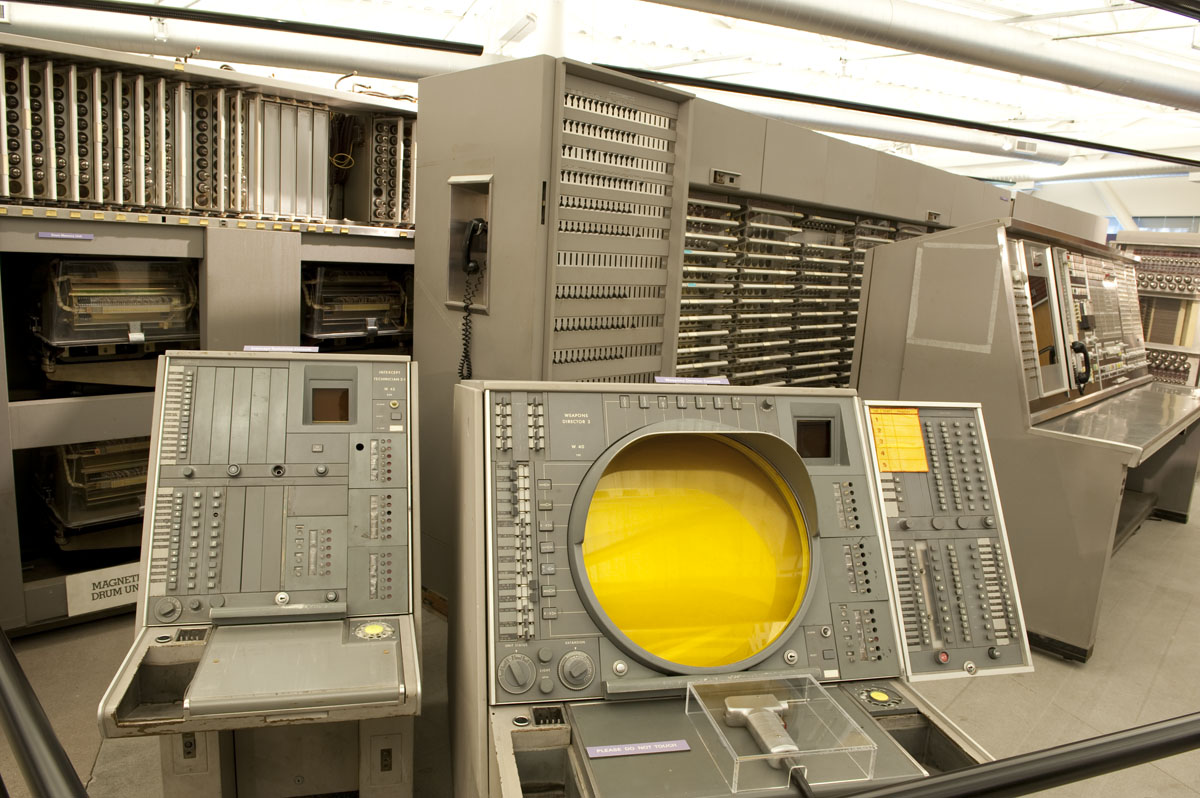
giant computer brains

Semi Automatic Ground Environment computer room

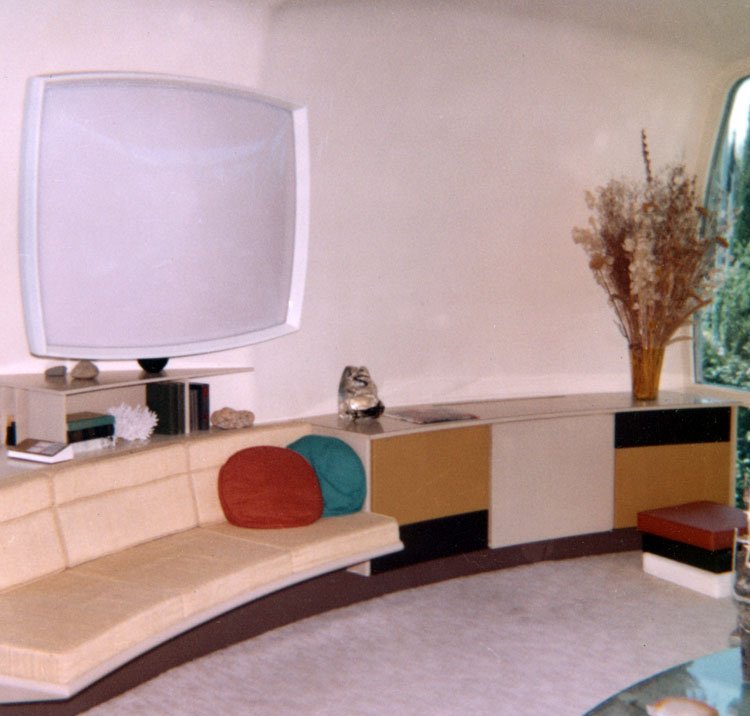
décor

interior of Disneyland's House of the Future

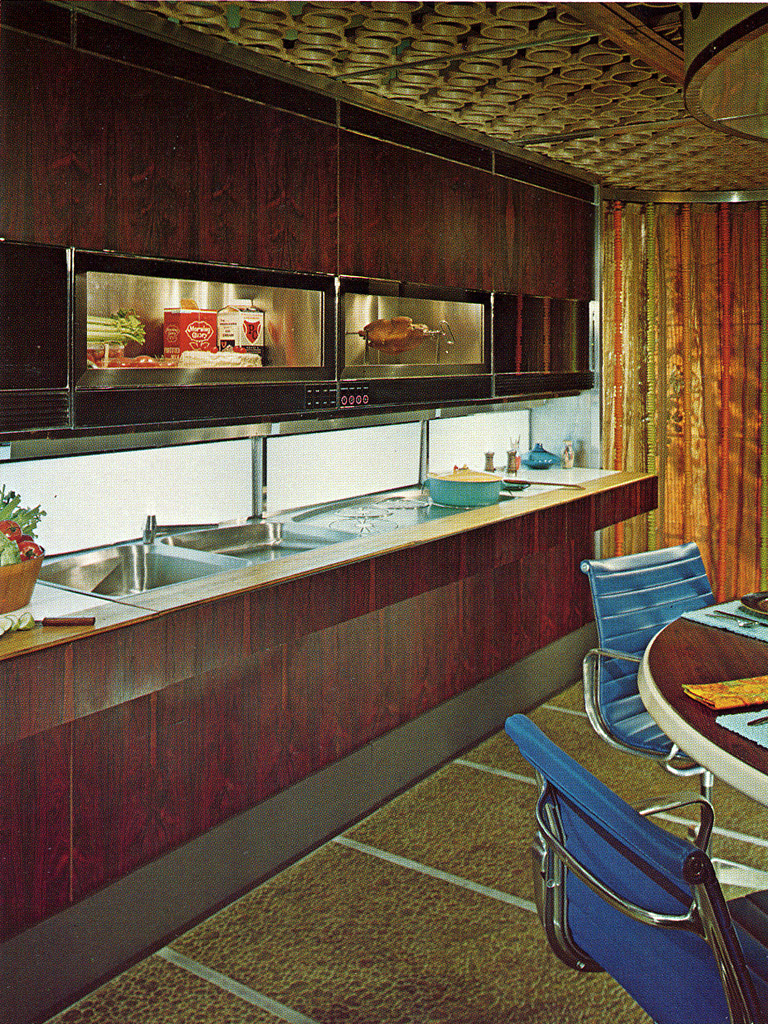
a kitchen of the future

Retro kitchen design from http://www.fittedkitchen.org

A select filmography & bibliography
Fahrenheit 451, dir. François Truffaut (1966)
2001: A Space Odyssey, dir. Stanley Kubrick (1968)
Rollerball, dir. Norman Jewison (1975)
CCCP: Cosmic Communist Constructions Photographed, Frédéric Chaubin (2011)
Rene Burri. Brasilia: Photographs 1960-1993, Arthur Rüegg (2011)

perhaps to be continued…


1 Comment

Living in a jetpunk world

A couple of years ago, I posted a piece here about the photographs of Jan Kempenaers, who has taken a series of photographs of modernist monuments in the former Yugoslavia. The series is now available as a coffee-table book, Jan Kempenaers: Spomenik, and I’ve ordered myself a copy. (You can count the number of art books in my book collection on the fingers of one hand… and they’re chiefly by the likes of Chris Foss and Jim Burns…)

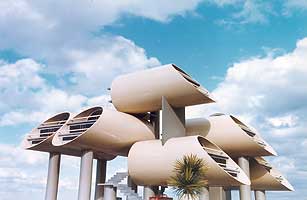
I came across Kempanaers’ work via the ever-excellent Dark Roasted Blend… and from there today I discovered the strangely-compelling jetpunk architecture of Swiss artist Guy Dessauges. The photos on DRB are from a blog by Andreas Angelikadis, but there are other places where pictures of Dessauges’ proposed “tube housing” from the 1960s can be found. Dessauges is also a sculptor and painter.


4 Comments

There’s something moving in sf

There’s an interesting Mind Meld this week on SFSignal about “The Next Big Trend/Movement in SF/F Literature”. You can find it here. I noticed that my jetpunk (see here) doesn’t get a mention – although it has here in a post by Dr Nader Elhefnawy, which I suppose means it’s sort of arrived…

To be honest, jetpunk wasn’t an entirely serious suggestion, and I wrote the post chiefly because I liked the title “Vulcan Bombers in Space” and I wanted to post some pictures of cool aeroplanes. But I do think there’s room for some interesting fiction to be written in there – especially given that retro sf usually either means visions of the future from the 1930s – 1940s, or, well, steampunk and dieselpunk. The 1950s and 1960s were, I think, more interesting technologically, and some of the futurism from those decades would make for excellent science fiction.

(Source: Douglas Holland's Aerospace Site)

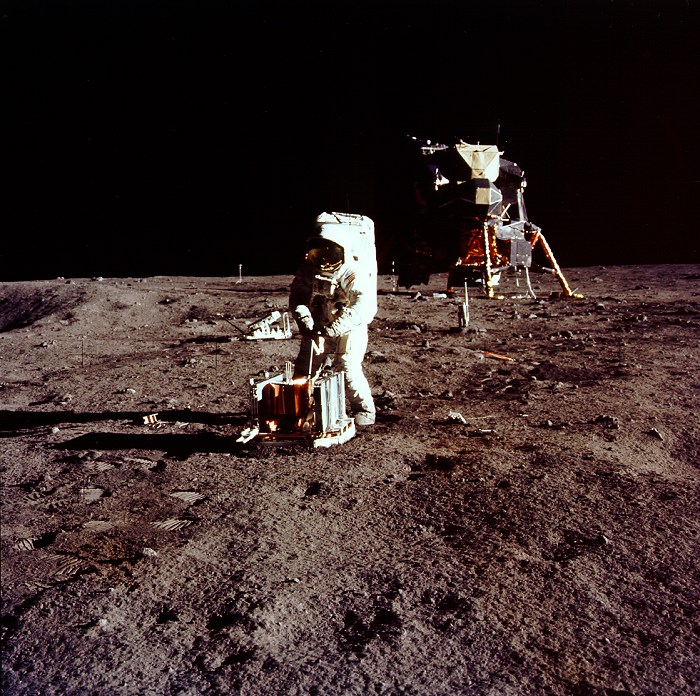
All of which got me thinking about other “movements” and what inspires me to write science fiction and what I try to put into my stories. I like the hardware, I freely admit it – I have all those books about the Apollo programme because I find the spacecraft, and the way they work, fascinating – the technology, the engineering, the science… and how that does what it does for those who use it. The hardware I find inspirational, but it’s the people using it I try to write about it.

And all those books about Apollo I’ve read persuaded me to try writing sf which was as realistic as I could possibly make it. Not Mundane sf – because I want to still use some of the genre’s tropes, like faster-than-light travel or aliens. But I wanted to show that space is a hostile environment, that getting out of gravity wells is difficult, that human beings can only operate in space because of the science and technology and engineering. And since I’d been thinking about trends and movements, I decided this should be called… spacecore.
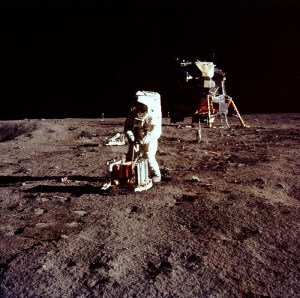
(Source: NASA)

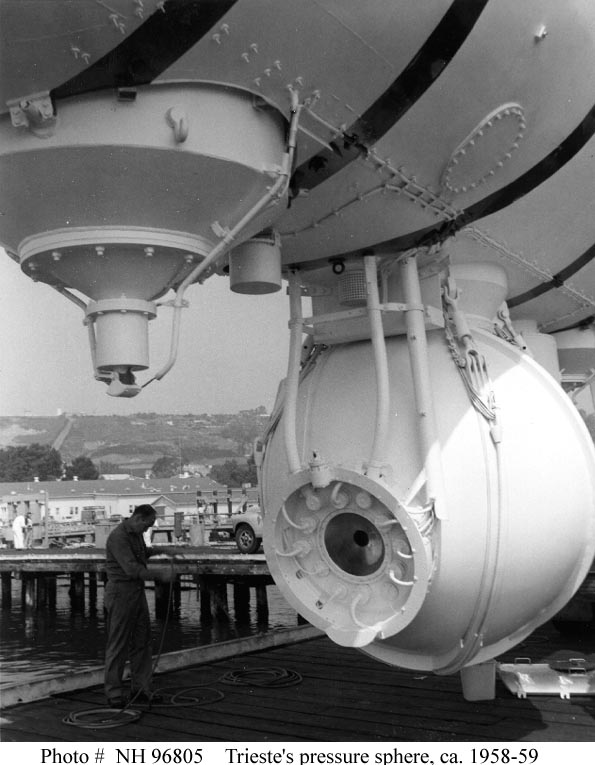
Then I had an idea for another story, but this time set in the depths of the ocean – which again is as much about technology as it is about people since the ocean depths are as inimical an environment as space. I was going to title the story ‘Base Under Pressure’, but that really is the worst short story title ever. Anyway, I thought, stories set at the bottom of the sea need a name too. How about bathypunk?
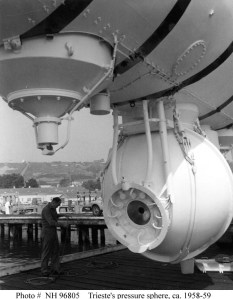
(Source: SEVEN MILES DOWN, Jacques Piccard & Robert S Dietz)

At which point, I decided – and had pointed out to me by friends – it was all getting a bit silly. To tell the truth, my sf stories are hardly written down a single line in the genre anyway: the Euripidean Space stories are near-future hard sf; ‘Killing the Dead’ is set in a generation starship; ‘The Amber Room’ features alternate universes; ‘Through the Eye of the Needle’ is near-future post-catastrophe… And the novels I’ve delivered to my agent are steampunk-ish space opera.

Also, movements and labels tend to be applied after the fact by commentators and critics. They point to a group of writings and decide they are enough alike to deserve a common term to describe them. Dreaming up a “-punk” or “-core” and then writing to it is apparently the wrong way to do it. Well, it is if you tell everyone that’s what you’ve done.

So I won’t. I’ll be thinking about jetpunk and spacecore and bathypunk and whatever other ones I dream up as I’m bashing out my stories. I’ll be thinking about the hardware and the people who use it. And if others do the same, if that means there’s a little less magic in sf and a bit more, well, science and technology, then I’ll consider that a good thing. But it’s not like a movement or a bandwagon or anything.

Unless you want it to be.


5 Comments

Vulcan Bombers in Space

Steampunk and dieselpunk have both entered mainstream culture. So they’re no longer cutting-edge, they’re now closer to blunt instrument. And that means it’s time for science fiction’s fertile minds to spunng! into creative action once again. We need a new movement, a new aesthetic, a new subgenre. And I have just the one. I call it:

Jetpunk

Hang on, I hear you say. Steampunk was alternate history, in which the world’s technology remained at Victorian levels. We have jets now. We have jets in the twenty-first century, we’ve had them for seventy years, in fact. What’s alternate about that? What’s sfnal about that? Well, yes, that’s true. But we don’t have all those amazing supersonic jets they had during the Cold War. Like, well, the Avro Vulcan Bomber. Or the Convair B-58 Hustler. North American XB-70 Valkyrie. TSR-2. Tupolev Tu-22. All those planned Supersonic Transports and spaceplanes.

(Source: BAe Systems, via avrovulcan.org.uk)

(Source: USAF, via wingweb.co.uk)

(Source: Carl Ehrlich, via The Space Review)

That was proper science fiction, that was. Not the pointy magic rockets they used to put in sf novels of the period. No, they were proper engineered aeroplanes made out of titanium that could fly at silly speeds like Mach 3.5. And jet-packs. Flying cars. Giant Computer Brains – er, giant mainframe computers in giant data processing centres. Jetpunk. It’s the future they were designing and building fifty years ago, when a base on the Moon by the end of the century looked like a very real prospect. It’s the future we might have had, the one where we wear silver jumpsuits and eat food-pills.

It was a time of progress and of austerity, of paranoia and of trust, of innocence and cynicism. And, let’s face, those supersonic jets and spaceplanes looked pretty damn cool. It’s not steam engine time, it’s jetpunk time.

So who’s going to write the first jetpunk sf story?