It Doesn't Have To Be Right…

… it just has to sound plausible


1 Comment

30 words on 30 books

I shamelessly stole this idea from Pornokitsch, who did the same yesterday. Since I’m not doing my readings & watching posts this year, I thought thirty words on the last thirty novels I’ve read might be a good way of mentioning my recent reading. But 30 words is actually harder to do than it looks…

Final Days, Gary Gibson (2011)
Discovery on planet orbiting distant star reached by wormhole suggests future is fixed and immutable. World starts to fall apart. Nice Apollo re-enactment but otherwise not that much stands out.

The Member of the Wedding, Carson McCullers (1946)
Tom Sawyer-ish Frankie daydreams of brother’s wedding. A GI mistakes her age, wants to get frisky. Lovely writing, though it’s hard not to suspect Frankie is wrong in the head.

Like A Sniper Lining Up His Shot, Jacques Tardi (2010)
Graphic novel adaption of French thriller set in the UK. Assassin like father like son. With guns. And gore. Not much more to be said. Tardi is definitely worth reading.

Bodies, Jed Mercurio (2002)
Incompetent doctors get away with murder on the NHS. New houseman is horrified. He learns to work with the system. A favourite writer but it will scare you off hospitals.

City of Pearl, Karen Traviss (2004)
First human colony disappears, rescue mission discovers aliens protecting them. Mix of hard sf and space opera. Nice heroine, not so interesting aliens. Oozes competence without suggesting more. Review here.

The Bender, Paul Scott (1963)
Should have been a film with Dirk Bogarde. 1960s wastrel goes begging for cash and sparks family crisis. Great wit, great writing, and an astonishing postmodern interlude. Recommended. Review here.

Leviathan’s Deep, Jayge Carr (1979)
Freak alien resembles humans. They want to conquer her planet and fall in love with her. She scuppers their plans. Somewhat old-fashioned sf, though protagonist well-drawn. Review on SF Mistressworks.

The Bookman, Lavie Tidhar (2010)
Literary and pulp potage which stripmines steampunk tropes. Orphan adventures, starts cleverly in Victorian Lizard London but loses steam about halfway through before Bond-esque Vernian finish. The first of three.

Omega, Christopher Evans (2008)
Man recovering from terrorist bomb explosion dreams himself into alternate self in a world where WWII never ended. Very cleverly done, alternate world very real, great writing. Recommended. Review here.

Angel At Apogee, SN Lewitt (1987)
Princess pilot, a hot-shot of course, proves to be catalyst which rejoins three sundered races on three separate planets. Interesting debut, though perhaps a little over-egged. Review on SF Mistressworks.

The Fat Years, Chan Koonchung (2009)
China prospers while rest of world in financial crisis. Interesting window on Chinese society, though unsatisfactory as a novel – the plot is explained in a final chapter info-dump. Review here.

The Fall, Albert Camus (1957)
Pompous ex-lawyer monologues at stranger in Amsterdam bar and over several days tells him of his somewhat boring fall from grace. Mercifully short, though there’s some insightful writing in it.

Selected Poems, Lawrence Durrell (1956)
It’s a book of poems. And they were selected. By Lawrence Durrell. He did this several times. Except when he wasn’t collecting his poems for his Collected Poems. More here.

Betrayals, Charles Palliser (1994)
A story told through several stories – including a superb pisstake of Taggart, and a righteous skewering of Jeffrey Archer. Superbly done, though perhaps needed the stories tying together more. Recommended.

Leviathan Wakes, James SA Corey (2011)
Solar system shenanigans as alien virus wreaks havoc for corporate profit. Who needs New Space Opera? Regressive: no diversity, old school sexism, implausible villainy. Mostly right physics. Avoid. Review here.

Native Tongue, Suzette Haden Elgin (1984)
Men repeal rights of women, so they secretly develop women’s language. Interesting linguistics, good female characters, though characterisation of men not so convincing and world-building weak. Review on SF Mistressworks.

This Island Earth, Raymond F Jones (1952)
Manly engineer saves the galaxy by demonstrating good old US engineering know-how. Womanly PhD does his ironing and cooking. Happily they don’t write them like this any more. More here.

The Lady in the Lake, Raymond Chandler (1944)
Mixed-up femme fatales don’t fool Marlowe in hunt for rich man’s missing wife. Not the cunningest murder-mystery plot and Marlowe often gets away with murder. Strong on place and time.

The Door, Magda Szabó (1987)
In Hungary, writer hires housekeeper, who proves to be old school peasant and a right character. Fascinating portrait of housekeeper, thoroughly enjoyed it. Soon to be major film. Review here.

The Unorthodox Engineers, Colin Kapp (1979)
Collection of sf shorts in which lateral thinking engineers solve seemingly intractable problems. Dated, problems not especially unsolvable, nor especially original. Entirely forgettable, in fact. Hard book to find, though.

Journey to the Centre of the Earth, Jules Verne (1864)
Story not as good as Nemo’s though text is more pleasingly detailed. Science horribly dated, of course, and often wrong. Characters bizarrely emphatic – except for phlegmatic Icelandic guide. Historical document.

Arkfall, Carolyn Ives Gilman (2008)
Novella set on human-colonised Europa-like planet with interesting socialist society. Woman and male tourist find themselves on unintended journey after seaquake. Promises more than it delivers but still worth reading.

Kamikaze l’Amour, Richard Kadrey (1995)
Kadrey channels Ballard and Shepard in rock star epiphany in California overrun by Amazonian jungle. Not sure how original was 17 years ago but is not now. After Metrophage, disappointing.

Smart-Aleck Kill, Raymond Chandler (1958)
Collection of four shorts. Simple direct prose, strong on place and time, though plotting something of a direct line and characterisation sketchy. More for noir fans than normal readers, possibly.

Embassytown, China Miéville (2011)
Truthful aliens get hooked on impossible Ambassador’s speech. World falls apart. Narrator teaches aliens to lie and saves planet. Interesting ideas but old-fashioned science fiction. Likely award-winner. Sigh. Review here.

Dr No, Ian Fleming (1958)
Bond in Jamica. Again. Racial stereotype has evil plan to do evil. Bond foils, with help of trusty local. He nearly dies in the process, but he gets girl. Again.

The Incal, Alejandro Jodorowsky & Moebius (1981)
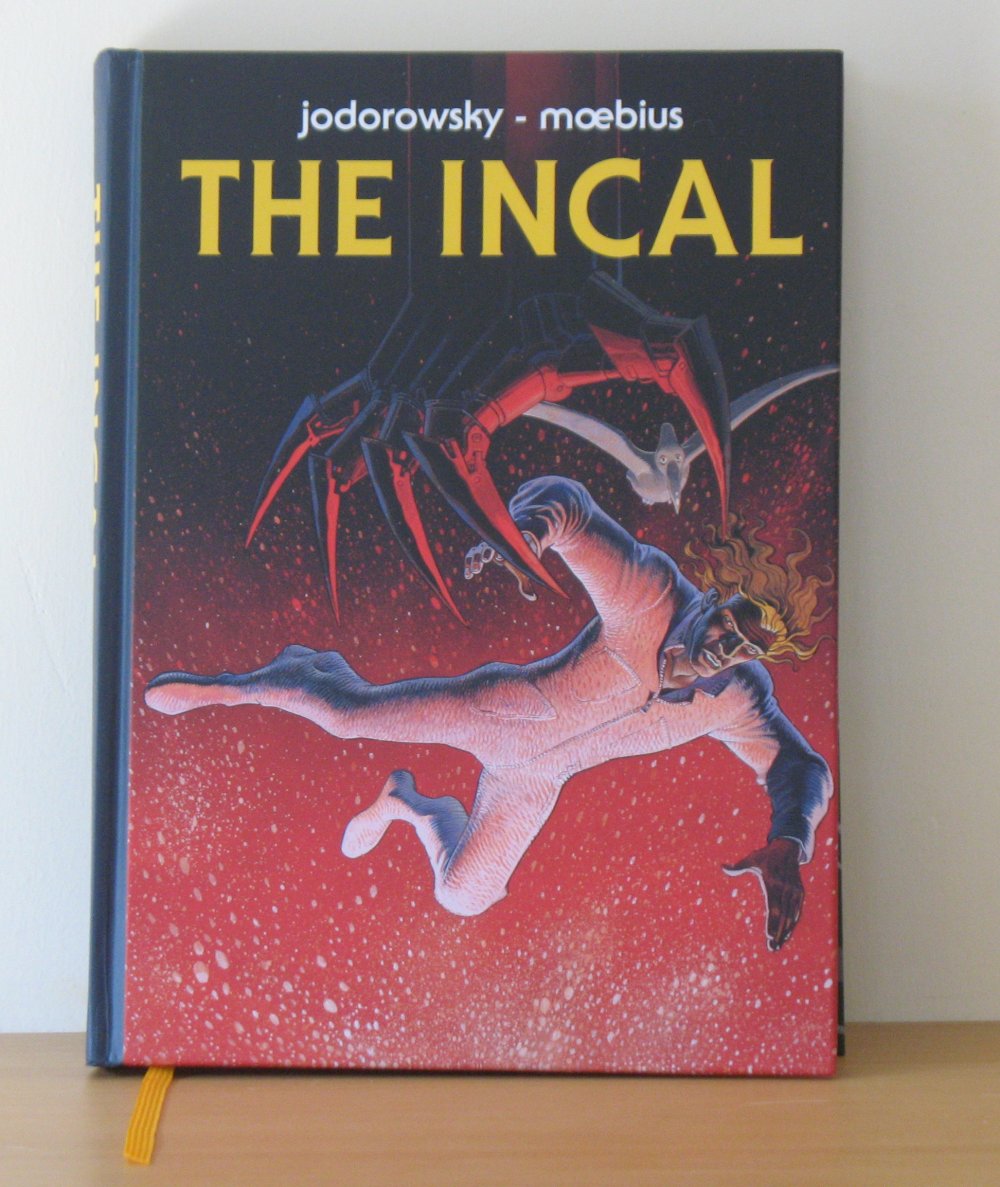
Seminal bande dessinée allegedly cobbled together from failed Dune film project. Light and dark Incal combine to save galaxy from evil Darkness. Completely bonkers. Lovely art. Everyone should own copy.

Alias Grace, Margaret Atwood (1997)
Character study of true life murderess from 1840s. Clevery done – never quite determines innocence or guilt, though very detailed on life and crime. Lovely writing. Possibly Atwood’s best novel. Recommended.

The Planet Dweller, Jane Palmer (1985)
Hot flushes and giant aliens that live inside planets. Cartoon aliens that want to conquer galaxy. Hit and miss comedy, but too fantastical for sf. Review soon on SF Mistressworks.

The Ginger Star, Leigh Brackett (1974)
By-the-numbers swords and planets. Manly hero brought up by animals battles way across barbarian planet to save mentor. Been there, done that. Yawn. Review soon on SF Mistressworks.

24 Comments

Galactic encounters of the 1970s

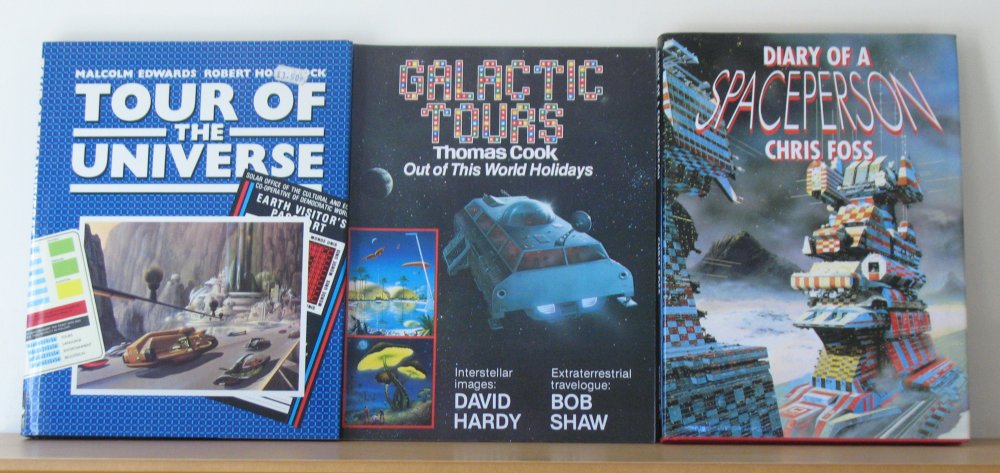
Back in the late 1970s and early 1980s, several publishers brought out colourful coffee-table sf books. Usually, they were filled with cover-art from sf novels, around which someone had written some text to tie the pictures together. Stewart Cowley’s Terran Trade Authority is probably the best-remembered example. I used to buy them whenever I saw them – often from book discount shops.
There were four Terran Trade Authority books all together, though I only have two of them: Spacecraft 2000 to 2100AD and Starliners. The other two were Great Space Battles and Spacewreck. I’m not sure where The Space Warriors fits into the TTA universe.
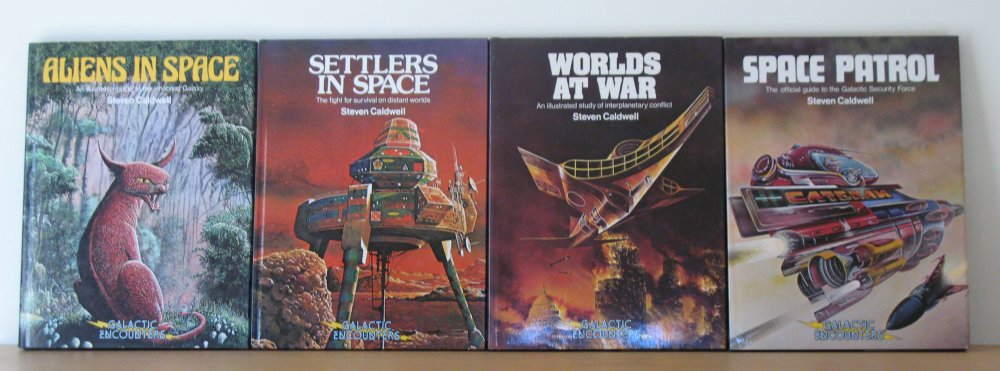
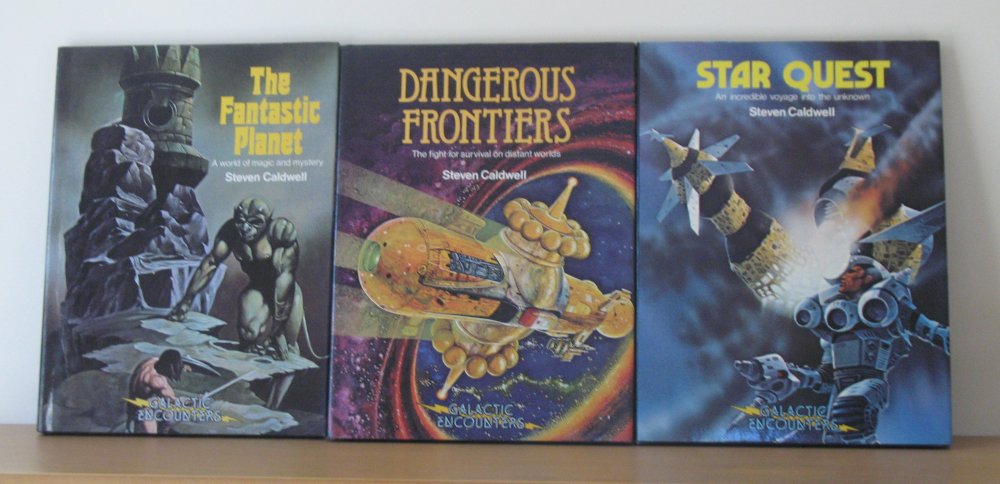
Cowley also wrote another series, Galactic Encounters, under the name Steven Caldwell, aimed at younger readers: Aliens in Space, Settlers in Space, Worlds at War, Space Patrol, The Fantastic Planet, Dangerous Frontiers and Star Quest. (Wikipedia doesn’t appear to know of Settlers in Space.)

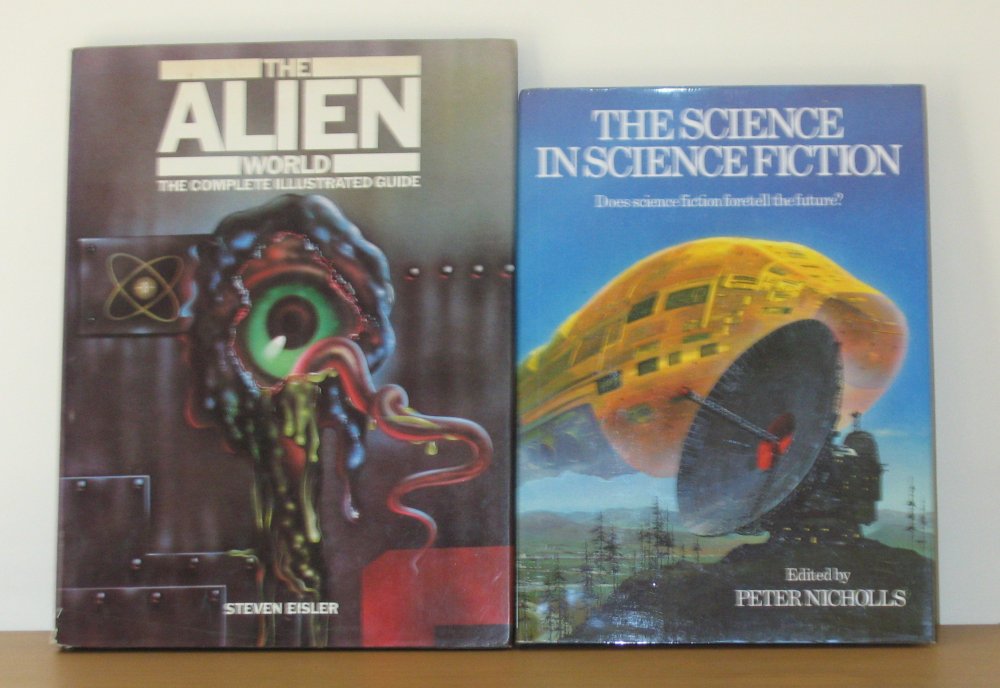
Even Robert Holdstock and Bob Shaw had a go at it: Tour of the Universe and Galactic Tours. Diary of a Spaceperson is full of lots of lovely Foss cover art, plus lots of pen and ink sketches of, er, bare-breasted women.

Not sure where I got The Alien World from. The Science in Science Fiction does exactly what it says on the cover.

Finally, a few years ago Morrigan Press produced a RPG based on the Terran Trade Authority. Morrigan Press seem to be now defunct, and the books are out of print.


17 Comments

Some thoughts on John Carter

There’s always been something more appealing about the idea of John Carter than about the books in which he features. It’s pure wish-fulfillment, of course – being magically transported to an alien world, becoming a fearsome warrior, falling in love with a beautiful princess… John Carter was always the manliest of men, and deeply honourable to boot, and so formed the sort of ur-hero it was easy for impressionable boys to worship and wish to emulate.

And, it has to be said, there something exciting in the mix of savagery and sophistication which pertained on Edgar Rice Burroughs’ Mars. Ancient cultures with flying ships and radium pistols, who still fought with swords from the backs of riding animals. The Barsoomian cultures had all the trappings of decadent cultures, yet were still vigorous and thrusting and more than able to put up a good fight. Which they did. Frequently.

But Edgar Rice Burroughs wrote his eleven Barsoomian novels between 1912 and 1964, and they were never more than pulp fiction. Adapting them faithfully for the screen in the twenty-first century was always going to be problematical. Attitudes and sensibilities have changed – for the better, of course – and it’s no good pretending fidelity to the source material excuses sexism or racism (though Michael Bay has no such excuse for his Transformers films).

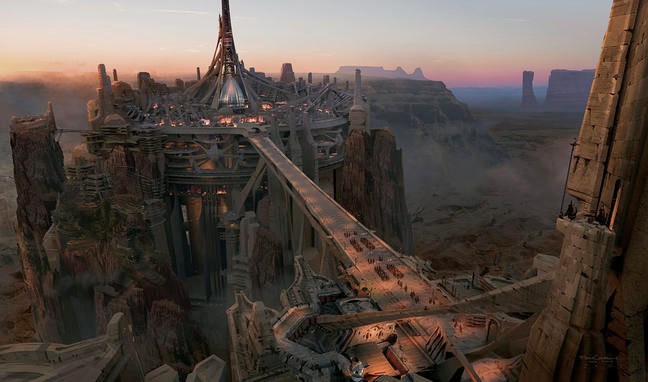
Harder, of course, to realise would be the world of Barsoom itself. Not just the landscapes of Mars, the vast canyon that is Valles Marineris, or the 21-kilometre high Mons Olympus; but also the various races and fauna, the flying ships, the cities… The Tharks are 4.5 metres tall, with four arms. Prosthetics and make-up are not going to produce convincing copies of that. But CGI can. Especially 2012 state-of-the-art CGI. After 2009’s Avatar, we know such things are possible.

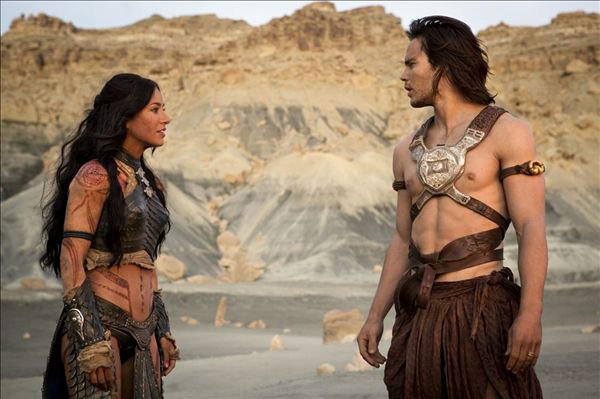
As a result, the Barsoom in Andrew Stanton’s John Carter looks fantastic. Some of the long shots are breath-taking. Perhaps they didn’t get in a shot of Mons Olympus, but there was a canyon which could have been Valles Marineris. And perhaps in places the Martian landscape did resemble the Arizona desert a little too closely. But there’s no denying John Carter is a great-looking film. And that applies to the production design too. It feels as though it melds elements of all the various cover-arts that have graced Burroughs’ books through the decades.

It is in the story, however, that the film has suffered the majority of its attacks. I’m not sure I understand quite why John Carter has come under so much fire. It resembles a typical sf tentpole release inasmuch as it’s a spectacle film, full of awesome visuals and frantic action. No other film of this type seems to have been criticised so much – and mostly for not being what its detractors wanted it to be. True, the white man leads natives to victory is a problematical story, though John Carter is nothing like as offensive as Avatar in that regard. What Carter brings to Helium is an alliance with the Tharks, and that is solely because the Tharks were first to discover him on his arrival on Mars. Yes, he can jump higher and strike harder than any Barsoomian, but it’s his facility with a sword – learnt as a member of the US Cavalry – which makes him a good warrior. The jumping is useful, and moves the plot along in various places; but it doesn’t make Carter better than everyone else.

Perhaps the biggest change between the books – or rather, between peoples’ memories of the books – and the film is Dejah Thoris. In the film, she is a scientist – Helium’s chief scientist, in fact, and close to discovering the “ninth ray”. She is also an excellent swordswoman, as is amply demonstrated throughout John Carter. And Carter himself has no problem with this. It’s a welcome change.

The film does suffer from a couple of narrative longeurs. A long trip down the River Iss seems to serve little purpose, though it does give John Carter the magical phrase he needs to travel between worlds. When the chief Thern explains the presence of his race on Barsoom to Carter, it does seem a somewhat blunt way of getting the information across. There are long journeys across the Barsoomian desert in which little happens. Despite this, the film’s 132 minutes pass surprisingly quickly.

There are elements of the film worthy of praise. There is wit in the script. The cast – many of whom are British – are uniformly excellent; though Tardos Mors, the ruler of Helium, seemed a bit useless. The Tharks are especially good. The story wrapped within a story wrapped within a story structure I thought worked well, and primed the film for two endings, both emotional – the first heart-breaking, and then a proper upbeat one after. Initially, the decision to hold off on revealing that Carter had lost his wife and child years before seemed odd, but when it did appear, intercut with a battle scene, it had a great deal of impact.

It’s been too easy for people to criticise John Carter. “It’s not like the books.” Well, no. I should hope not. “If they were going to bring Barsoom to the cinema, why did they do it that way?” Because that’s the way the film-makers chose to do it. Since when has it become a valid criticism to complain that a film wasn’t made the way the critic wanted it to be made? The fact of that matter is that Hollywood has been praised for creating tentpole sf extravaganza films which are sexist, racist, and insultingly stupid. John Carter is none of those. It’s a surprisingly modern spin on an old-fashioned sf adventure film. And happily it’s been done with intelligence. So yes, I would pay to see a sequel.


2 Comments

What are we going to do when we get there?

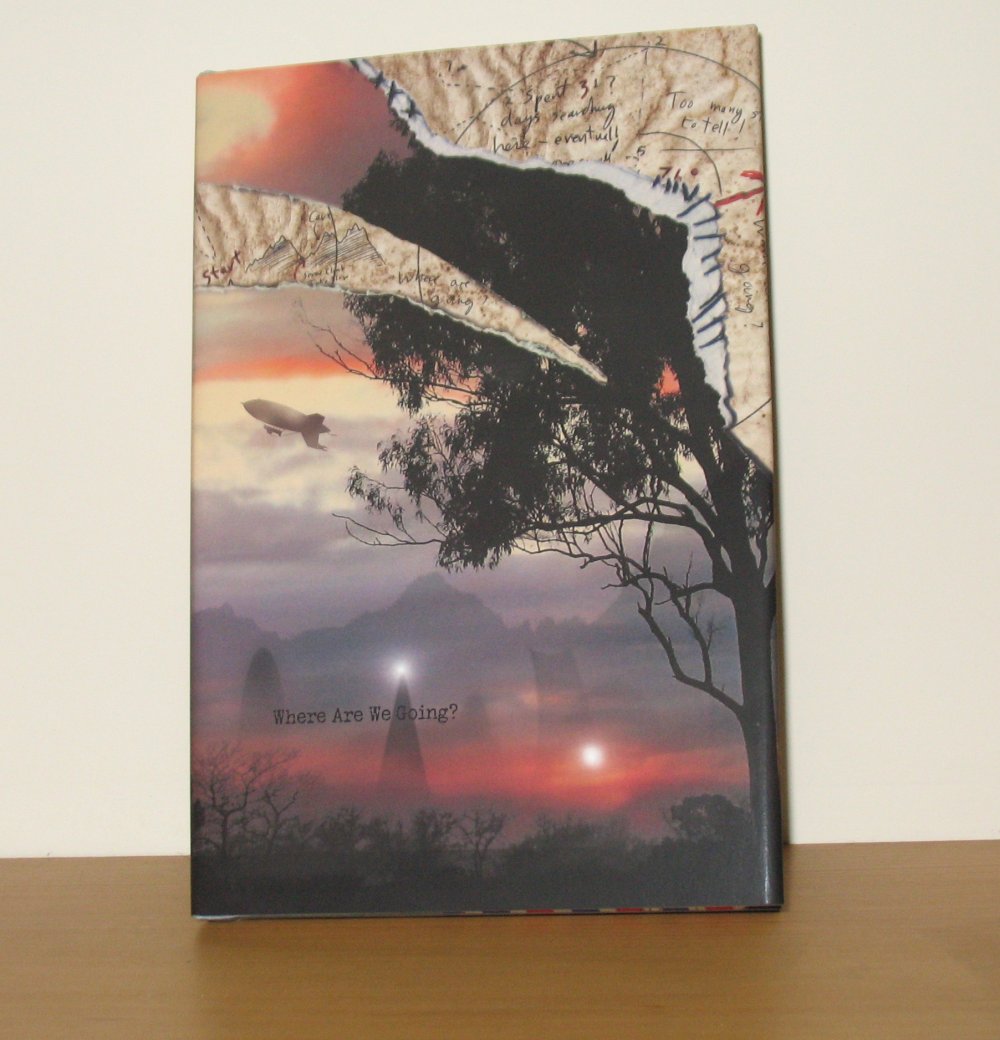
Look what arrived in the post yesterday: my contributor copy of Where Are We Going?, an anthology edited by Allen Ashley and published by Eibonvale Press. It looks very nice indeed. And it has an excellent line-up too.

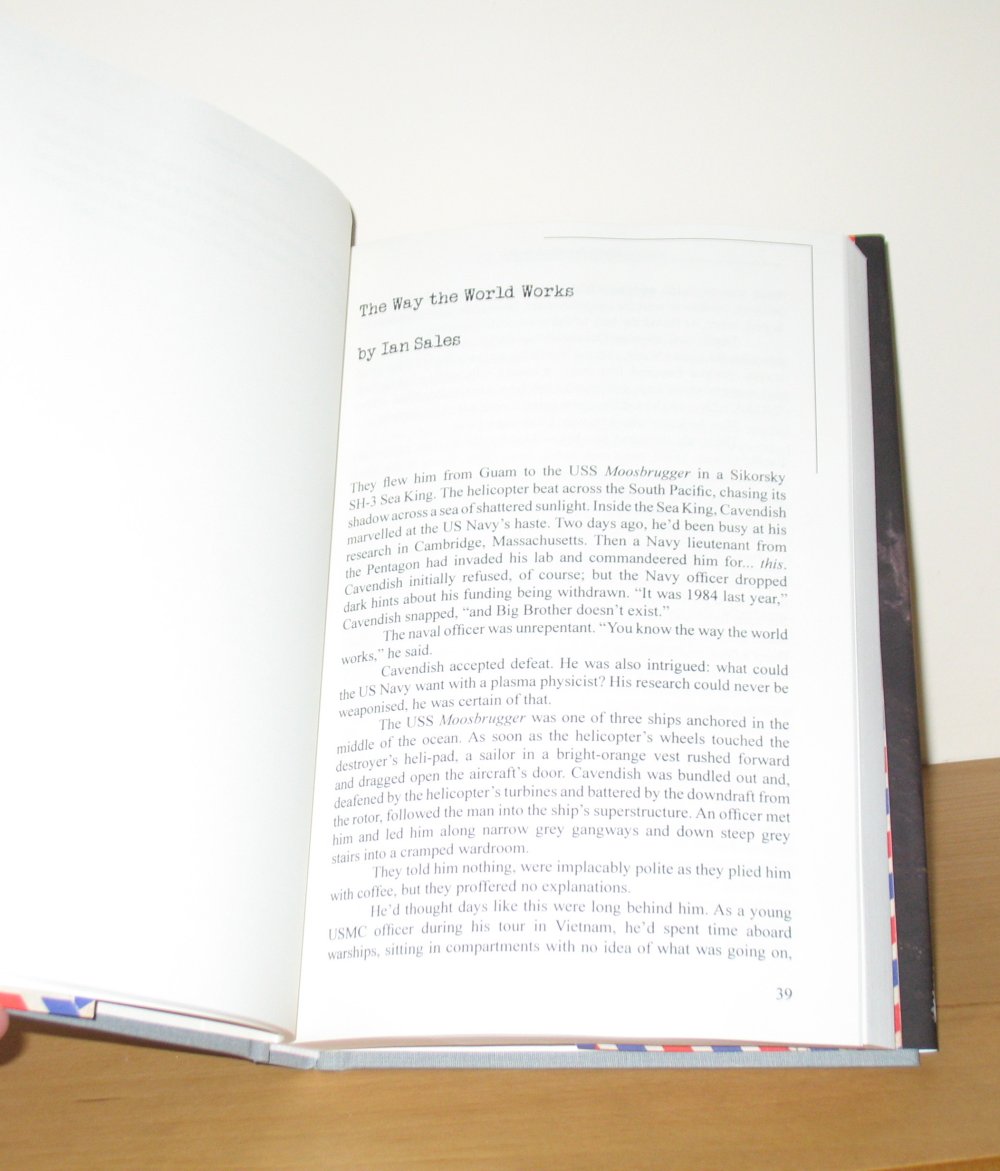
And here’s my story, ‘The Way The World Works’. It’s my bathypunk one – see here. It’s good to finally see it in print.

The anthology was launched in London on 2 March. Unfortunately, I couldn’t make it, but judging by the write-up and photos here, it went very well indeed.


39 Comments

The other POV

A couple of days ago on Twitter, Requires Hate tweeted that she would no longer read science fiction with male protagonists. Not a problem, you would have thought – there must be plenty of sf with female protagonists. And so there is. But not as much as you’d expect. The majority of science fiction novels are told from a male point of view. Some might have female POV characters – Gareth L Powell’s The Recollection, for example – but the story is shared with a male character. Sf novels, whether by women or men writers, with a single female protagonist are not that common.

So I tried to come up with list of some:

By women writers:
Spirit, Life and Kairos, Gwyneth Jones (SF Mistressworks reviews of Kairos here and here)
Alanya to Alanya and sequels, L Timmel Duchamp
Ash: A Secret History, Mary Gentle
Arkfall, Carolyn Ives Gilman
Angel At Apogee, SN Lewitt (SF Mistressworks review here)
City of Pearl, Karen Traviss (my blog post here)
God’s War and Infidel, Kameron Hurley (my blog post on God’s War here, review of Infidel here)
Debris, Jo Anderton
Dancer of the Sixth, Michelle Shirey Crean (SF Mistressworks review here)
Correspondence, Sue Thomas (SF Mistressworks review here)
Solitaire, Kelley Eskridge (my review here)
Zoo City, Lauren Beukes (my blog post here)
The Female Man, Joanna Russ (SF Mistressworks review here, here and here)
Winterstrike, Liz Williams (my blog post here)
The Steerswoman’s Road, Rosemary Kirstein (SF Mistressworks review here)
The Handmaid’s Tale, Margaret Atwood (SF Mistressworks review here)
Keeping It Real and sequels, Justina Robson

By men writers:
Take Back Plenty, Colin Greenland (my blog post here)
400 Billion Stars, Paul McAuley
Stealing Light, Gary Gibson
The Restoration Game, Ken MacLeod (my review here)
Synthajoy, DG Compton (my blog post here)
Never Let Me Go, Kazuo Ishiguro
The Caryatids, Bruce Sterling
The H-Bomb Girl, Stephen Baxter
The Ophiuchi Hotline, John Varley (my blog post here)

I may have got some of these slightly wrong as I’m going on my memory of the books – they might not be as exclusively female POV as I remember them. It’s unsurprising that I can think of more women writers who use female protagonists than men writers. I suspect this would be true for most people. Second, most of the books I could think of were relatively recent. Back in the Golden Age even the likes of Leigh Brackett and CL Moore wrote books with male protagonists.

Anyone else have any suggested titles?


2 Comments

International Women’s Day

Today is the 101st International Women’s Day, a celebration created by the Socialist movement in 1911. The poster below is not actually for the Day, but it seemed appropriate.

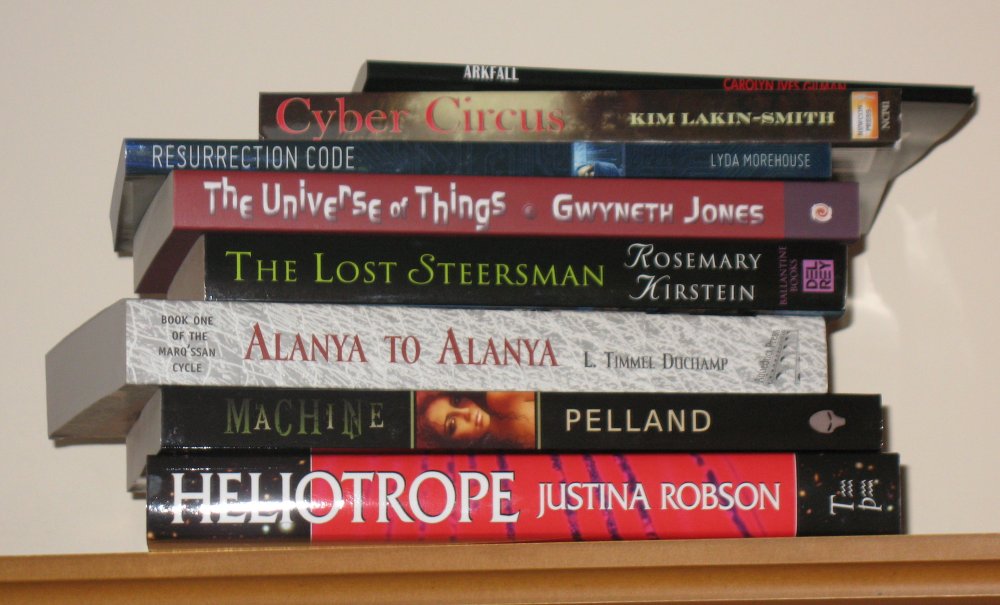
In recognition of International Women’s Day, here are eight recent science fiction novels / collections by women writers I will read / reread and then write about on this blog some time during the next few months (as they’re all too recent to qualify for reviews on SF Mistressworks).

The books are: Arkfall, Carolyn Ives Gilman; Cyber Circus, Kim Lakin-Smith; Resurrection Code, Lyda Morehouse; The Universe of Things, Gwyneth Jones; The Lost Steersman, Rosemary Kirstein; Alanya to Alanya, L Timmel Duchamp; Machine, Jennifer Pelland; and Heliotrope, Justina Robson. All of them except the Kirstein are small press.


2 Comments

Words invade a home book by book

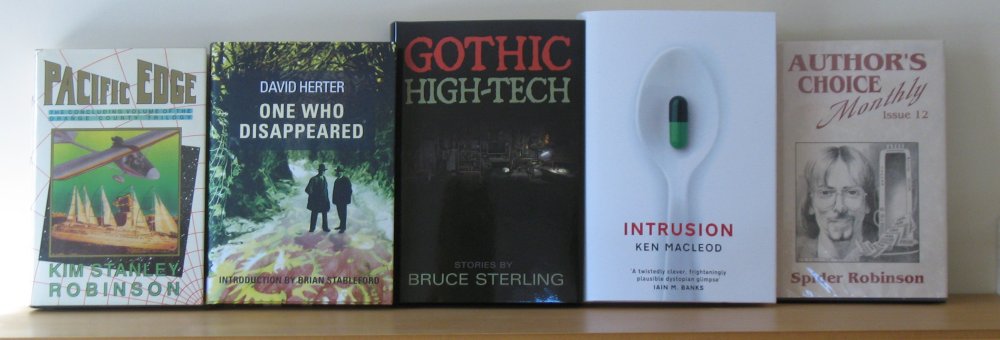
In the past six months, I’ve given away several hundred books, and yet the ones remaining seem to take up more and more space. Admittedly, some authors’ books I’ve been steadily replacing paperback copies with hardbacks… But that can’t be the only reason. However, some of the following may go some way to explaining it:

Some signed firsts: Gothic High-Tech and One Who Disappeared I pre-ordered ages ago, from Subterranean and PS respectively. Intrusion was the only book I bought at the SFX Weekender, and since Ken was there he signed it for me. Pacific Edge is for the KSR Collection, and the Spider Robinson Author’s Choice Monthly joins the others I own (currently twelve). I can’t say I’m a fan of all the writers they published, but there are several excellent ones.

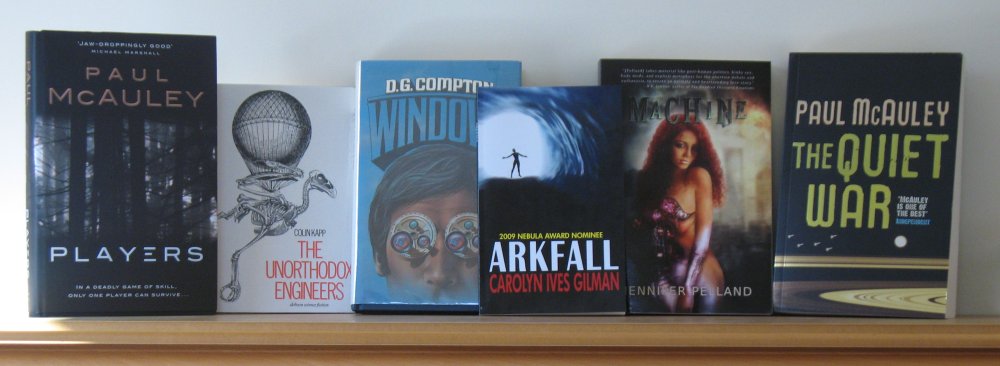
I bought The Quiet War from a seller on abebooks.co.uk, who had it down as a hardback. When it proved to be the trade paperback, they gave me a refund. There’s a copy of Players on coldtonnage.com for £50; I got my copy for £5 on eBay. Windows – a US hardback, it was never published in the UK – is for the Compton Collection. And Arkfall and Machine are two recent books by women sf writers. I thought Gilman’s Isles of the Forsaken excellent (see here), and I’ve heard good things about Pelland’s fiction (shame about the cover-art, though).

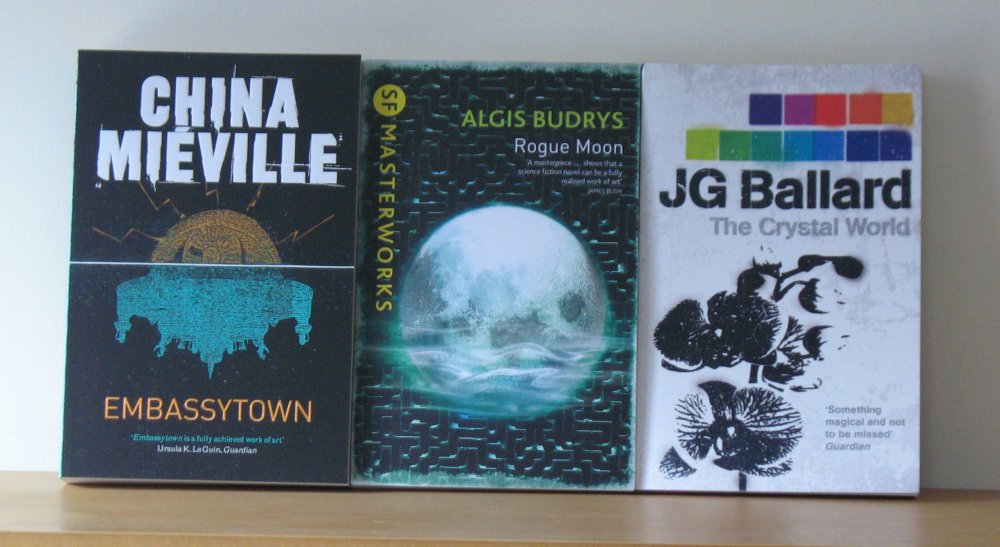
Some new paperbacks. If Embassytown is shortlisted for the Clarke, I’m going feel a little silly. I guess I’d better read it then. Rogue Moon joins the rest of my SF Masterworks collection, though I reread the book only a couple of years ago. I do like the design on these 4th Estate Ballard books – The Crystal World makes it six I now own.

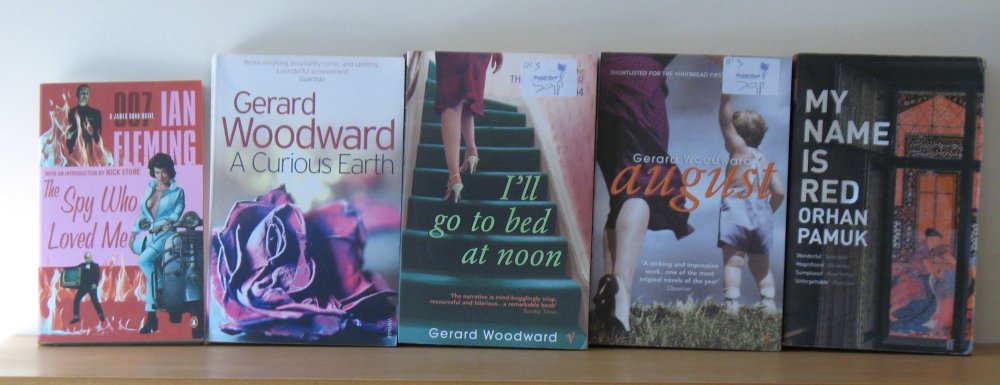
Charity shop finds. My Name is Red becomes March’s book for this year’s reading challenge (see here). I’m still determined to work my way through the 007 books, despite thinking they’re not very good – hence The Spy Who Loved Me. And I’ve quite fancied trying some of Gerard Woodward’s novels for a while, and last weekend I found three in a charity shop: August, I’ll Go To Bed At Noon and A Curious Earth.

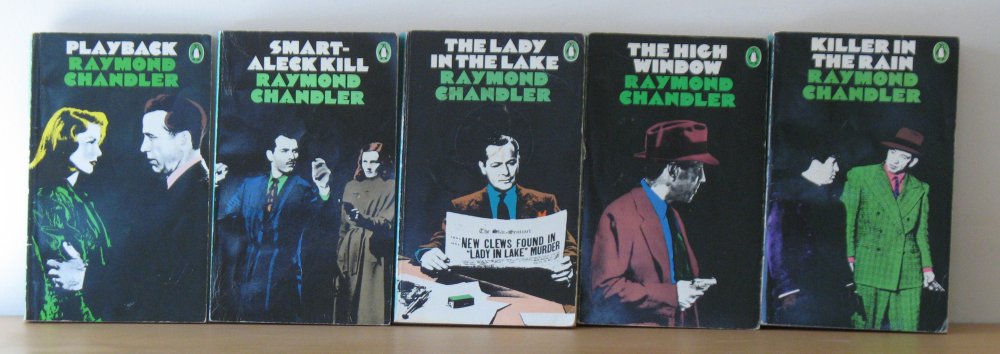
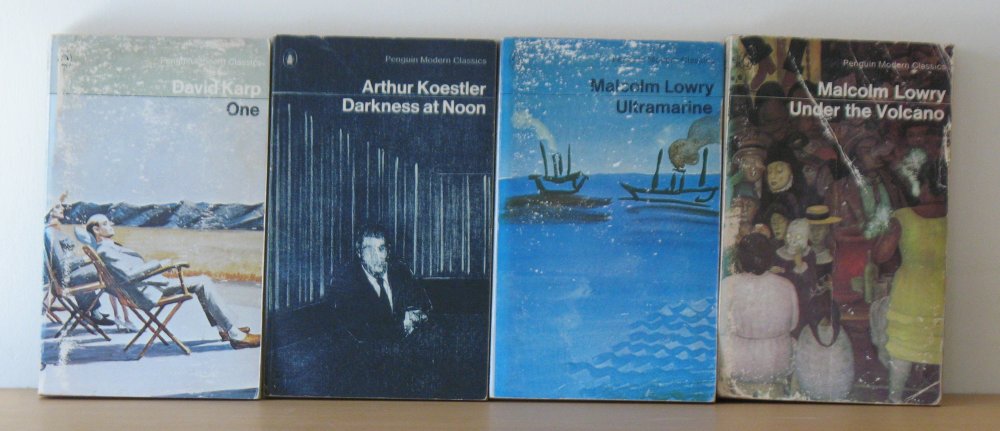
This is the last lot from my Dad’s collection of Penguin paperbacks. A bunch of Raymond Chandlers: Playback, The High Window, The Lady in the Lake, Smart-Aleck Kill and Killer in the Rain. A couple by Malcolm Lowry: Under the Volcano and Ultramarine. One by David Karp (did you see what I did there?). Another Camus – The Outsider; one from the Dance to the Music of Time – The Kindly Ones (a popular book title, it seems) – and Herman Hesse’s Steppenwolf and Arthur Koestler’s Darkness at Noon.

This is the third time The Incal has been published in English – first by Titan Books, then by Humanoids Associates, and now by SelfMadeHero. But this new edition is much nicer than previous ones, so even though I have the Humanoids paperbacks I had to get this one.

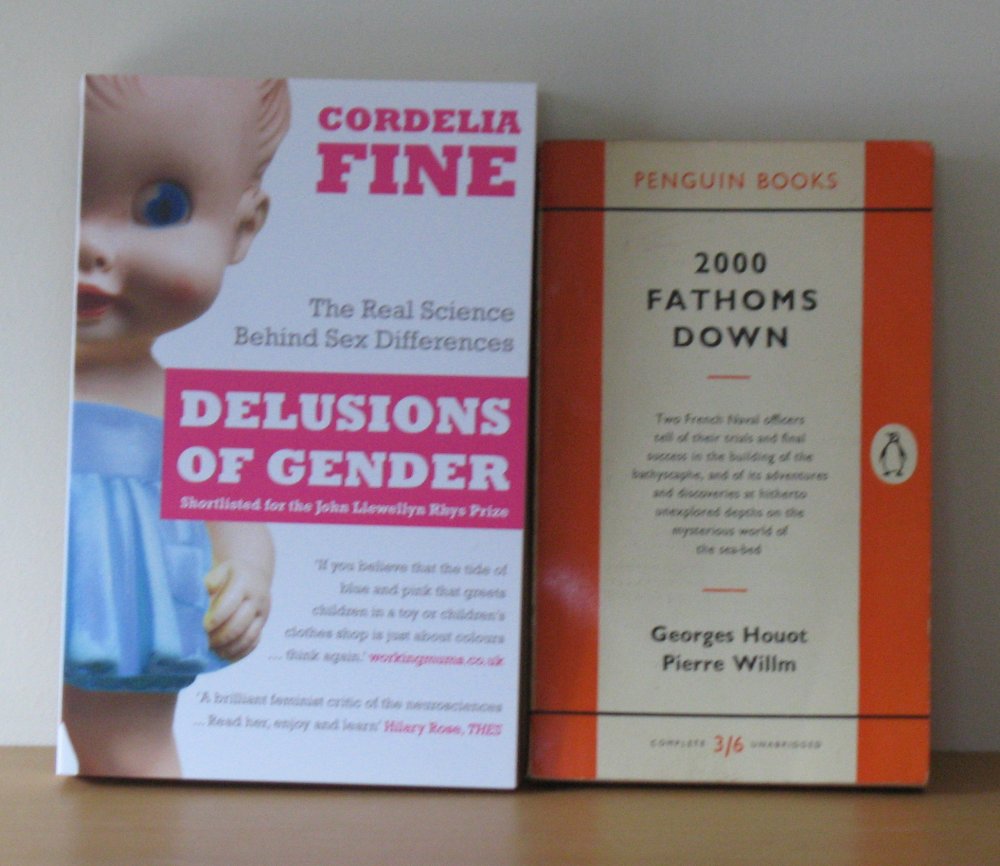
2000 Fathoms Down is for the underwater collection (that’s a collection of books on underwater topics, rather than a collection of books located underwater, of course), and I’ve seen so many positive mentions of Delusions of Gender I thought it was about time I bought my own copy.


4 Comments

The future we used to have, part 8

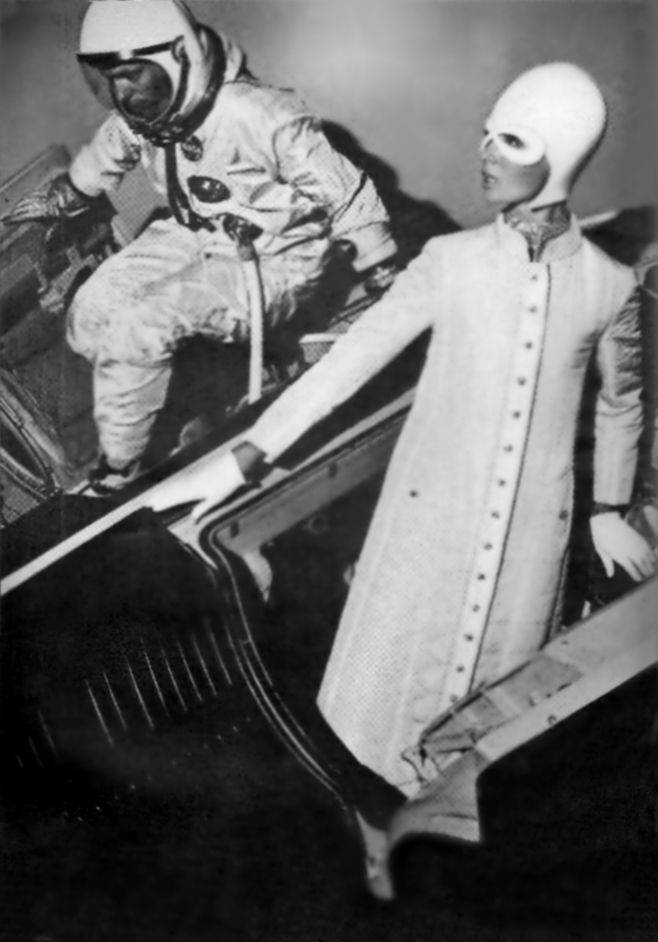
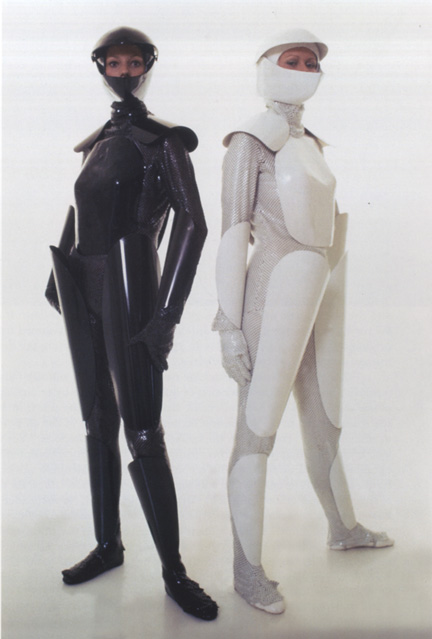
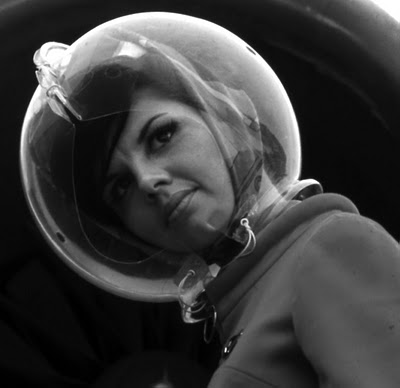
There’s an unfortunate tendency for these retro-futurist posts to go all a bit boys-toys-ish. That’s understandable, given that Cold War supersonic fighters and bombers did, well, did look pretty cool. Likewise the cars. And, sadly, hunt for contemporary fashion photos and it’s almost impossible to find ones depicting men in space age outfits – it’s all women. Even the sales photographs for the giant computer brains generally have women posed as if operating them.

Anyway, this time around there are… planes, cars, some house interiors, and some fashion. A few of the fashion photos show designs by Pierre Cardin, who probably deserves a post all his own…

Aircraft

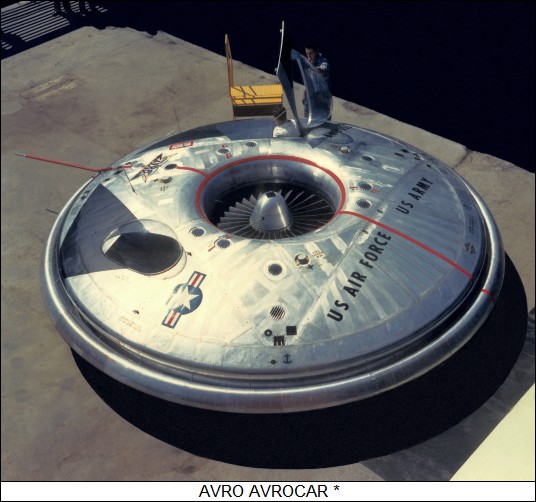
Avrocar

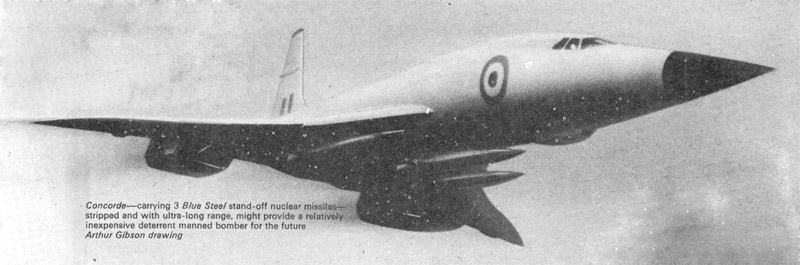
A proposal to turn the Concord into a supersonic bomber

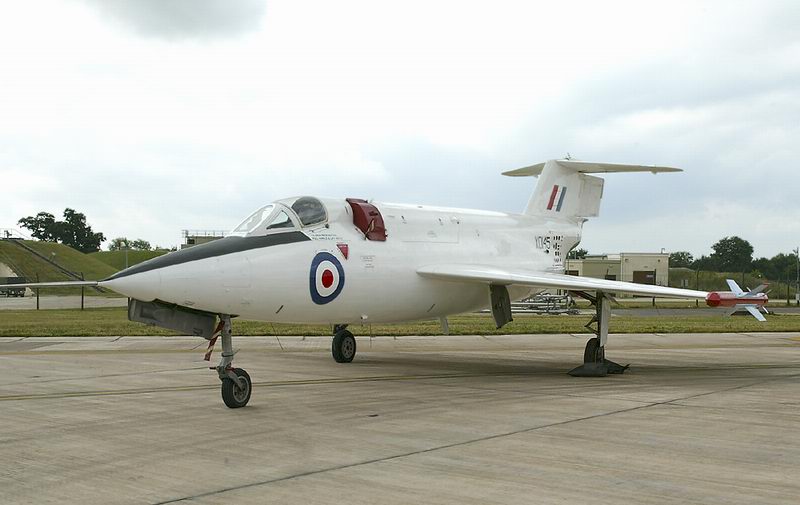
Saunders Roe Sr.53 rocket- and jet-propelled interceptor

How the crew entered the Tupolev Tu-22 Blinder supersonic bomber

The observer's cockpit in the De Havilland Sea Vixen

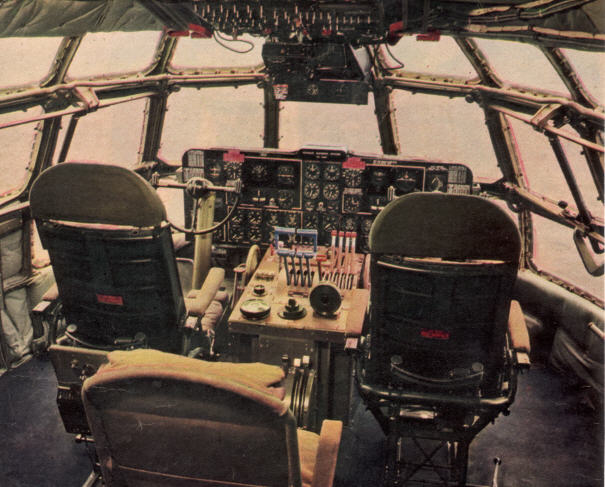
The cockpit of the Boeing Stratocruiser airliner

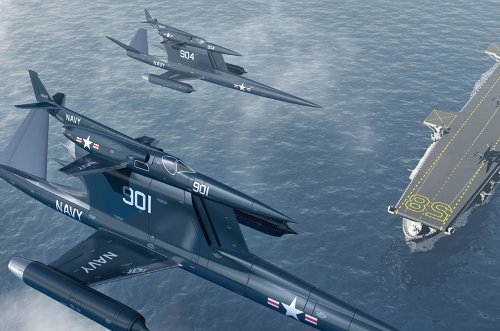
A proposed supersonic bomber based on the Bell X-3, from the cover-art to Secret Aerospace Projects of the US Navy by Jared A Zichek

Cars and Trucks

The cars of tomorrow

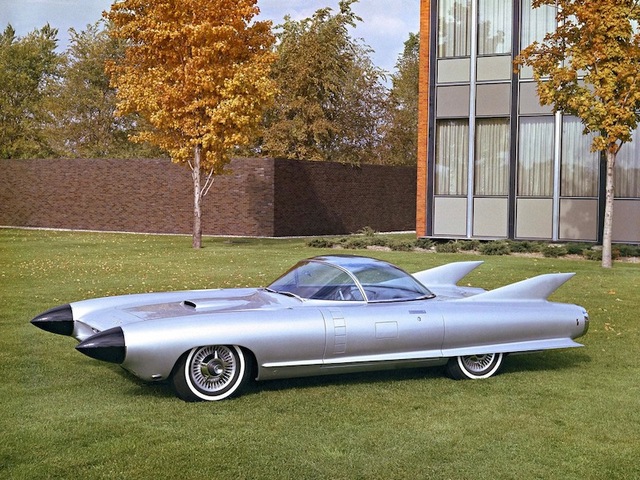
Cadillac Cyclone concept car from 1959

General Motors Firebird III from 1959

Chevrolet concept truck by Luigi Colani

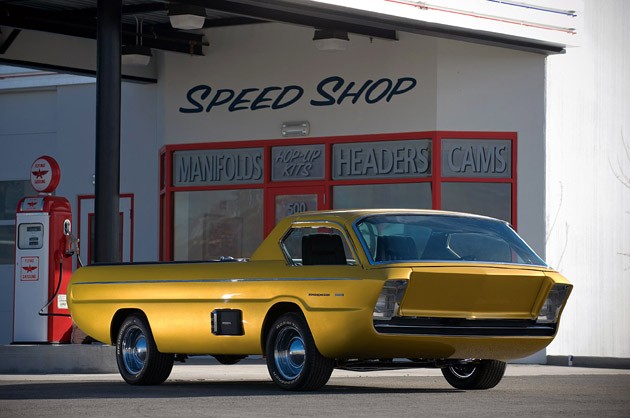
Dodge Deora from 1967

And this is how you got into the Dodge Deora

Fashion

Space age hats. I think.

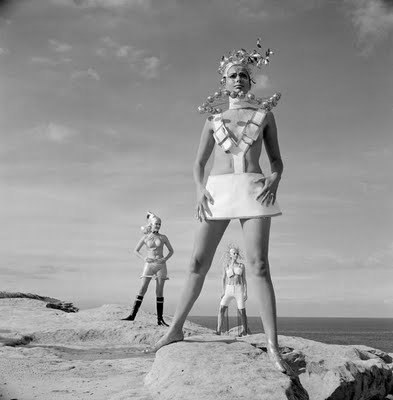
Pierre Cardin fashion

More Pierre Cardin fashion

And yet more Pierre Cardin fashion

Emilio Pucci-designed bubble hats for Braniff Airlines

Interiors and Appliances

A space age computer

The tap is a real retro design but the ad is, I think, a spoof

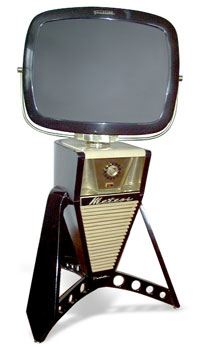
A retro-futurist television

Many of you will probably recognise where this is

Party house!


5 Comments

Announcement number two

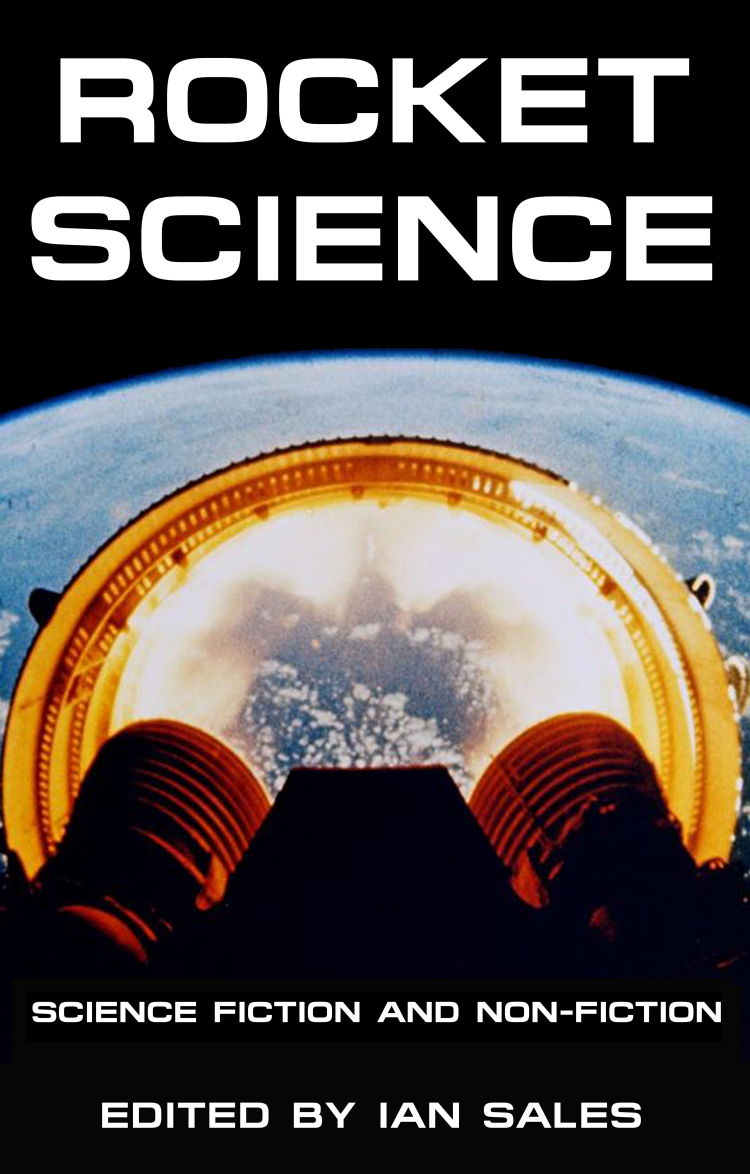
It’s been six months in the making, and when I took it on I had no idea what I was letting myself in for… But the files have now been sent to the printer and all I can do is wait and worry. Yes, Rocket Science is on the giant crawler thingy being carried from the assembly building to the launch pad. So to speak.

It’s been a learning experience. I’m pretty damn sure I’ve put together a good anthology containing some excellent fiction and non-fiction. If I had the chance to go back and do it again, I think I’d have a longer submissions period, and I’d spread out the editing process over several months. Towards the end there, I was starting to suffer from “typo blindness”, I’d been close-reading so many thousands of words on my computer display…

Anyway, we shall see what the world makes of it when physical copies finally appear in April. The launch is still set for the Eastercon, and there will be some of the contributors on-hand to read excerpts from their stories. More details will become available when the programme is finalised.


16 Comments

Announcement number one

Some of you will already be aware of this, but many perhaps won’t. These days, everyone seems to be doing it, though they might call it different things. I mean self-publishing, or so-called “indie” publishing. There are many reasons why an author might choose to publish one of their books themselves. Hoping to sell a million copies of it obviously isn’t one of them. For my part, I didn’t think the “infamous moon base novella” (see numerous mentions on this blog previously) would be accepted by a magazine or small press editor in the form I wanted it to appear. So I decided to publish it myself…

But more than that, I chose to set up an imprint specifically for the type of fiction I think my novella epitomises, and which I felt was not being published elsewhere. And so…

This April, Whippleshield Books will launch its first book, Adrift on the Sea of Rains by Ian Sales. This 20,000-word novella tells the story of an attempt to return home by a group of military astronauts stranded at a base on the Moon. Described by Adam Roberts, author of By Light Alone, as “written with an expert blend of technical precision, descriptive vividness and emotional penetration”, and by Kim Lakin-Smith, author of Cyber Circus, as “as poignant as it is impeccably researched”, Adrift on the Sea of Rains is the first in a thematic quartet. The remaining three installments will also be published by Whippleshield Books.

Whippleshield Books was founded by Ian Sales in order to focus on a type of science fiction which no one else seems to be publishing – ie, stories of high literary quality with extremely strong scientific and technological content. Whippleshield Books plans to publish some two to three titles a year, as signed limited hardbacks, trade paperbacks and ebooks. Submissions will open in May 2012, but bear in mind the acceptance criteria are extremely high.

Review copies of Adrift on the Sea of Rains as PDF, MOBI or EPUB available on request.

I hope to have a website ready some time in late April / early May where people can buy the book, though copies of the ebook will also be available from other sites. The second book of the Apollo Quartet, Wave Fronts, should be out before the end of the year; and perhaps there’ll be something else available if someone submits something I want to publish.