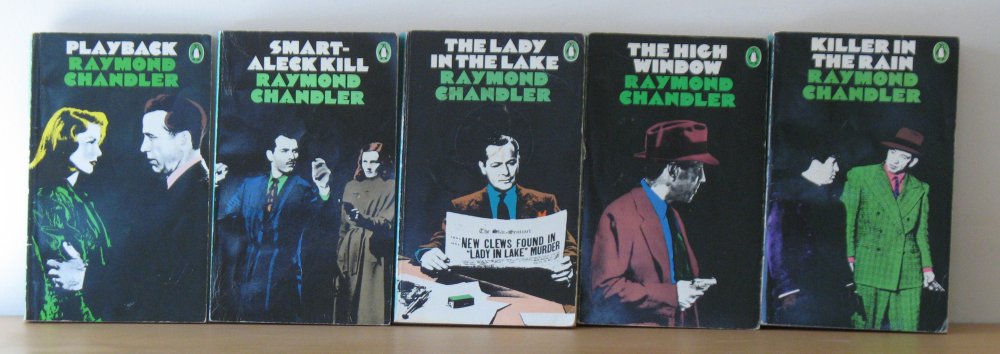
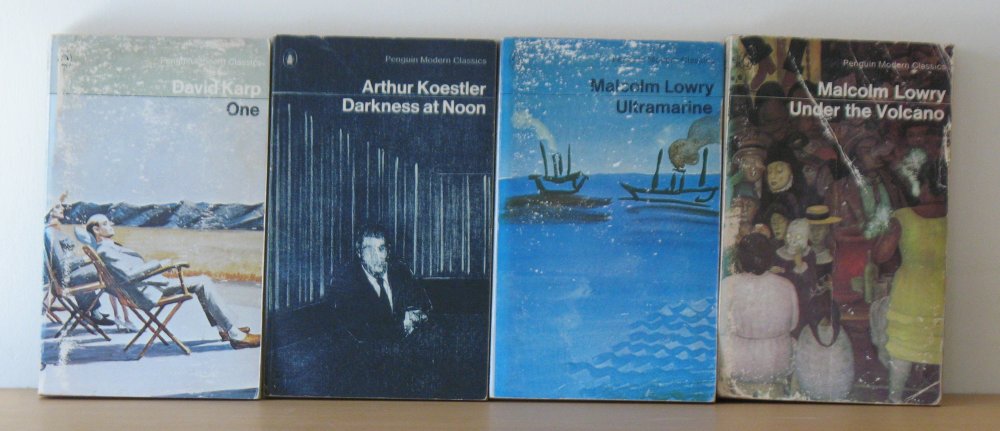
In the past six months, I’ve given away several hundred books, and yet the ones remaining seem to take up more and more space. Admittedly, some authors’ books I’ve been steadily replacing paperback copies with hardbacks… But that can’t be the only reason. However, some of the following may go some way to explaining it:
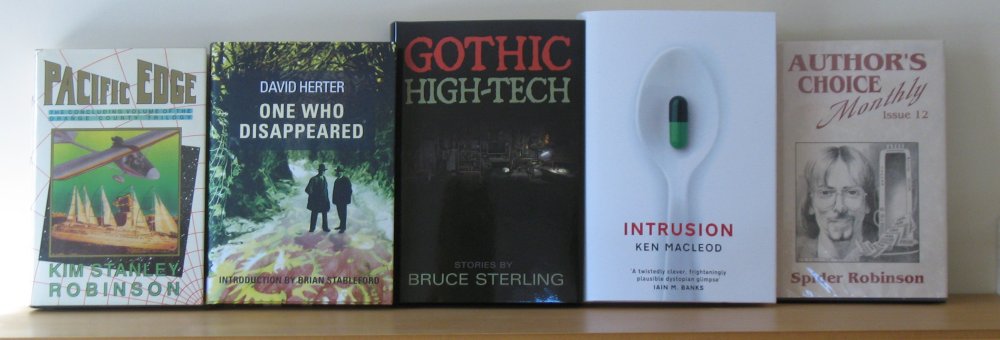
Some signed firsts: Gothic High-Tech and One Who Disappeared I pre-ordered ages ago, from Subterranean and PS respectively. Intrusion was the only book I bought at the SFX Weekender, and since Ken was there he signed it for me. Pacific Edge is for the KSR Collection, and the Spider Robinson Author’s Choice Monthly joins the others I own (currently twelve). I can’t say I’m a fan of all the writers they published, but there are several excellent ones.
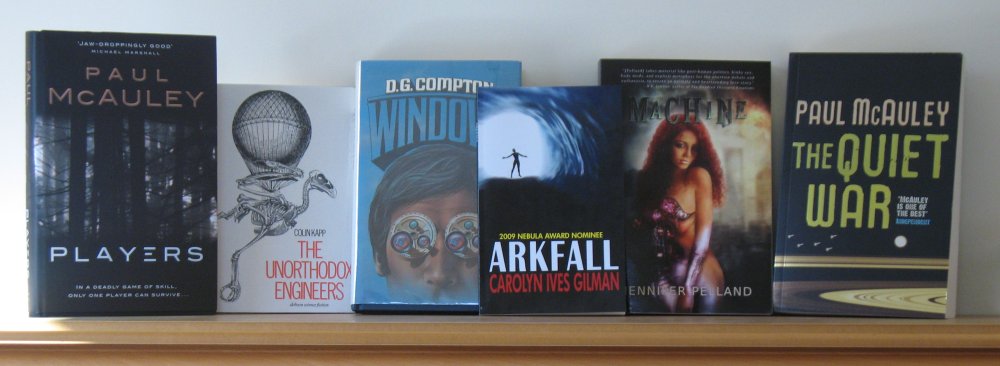
I bought The Quiet War from a seller on abebooks.co.uk, who had it down as a hardback. When it proved to be the trade paperback, they gave me a refund. There’s a copy of Players on coldtonnage.com for £50; I got my copy for £5 on eBay. Windows – a US hardback, it was never published in the UK – is for the Compton Collection. And Arkfall and Machine are two recent books by women sf writers. I thought Gilman’s Isles of the Forsaken excellent (see here), and I’ve heard good things about Pelland’s fiction (shame about the cover-art, though).
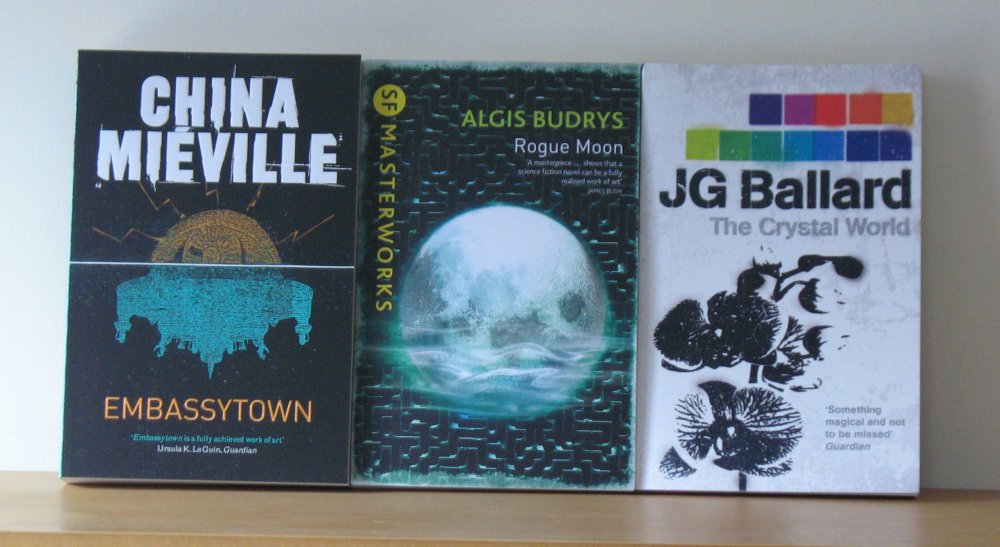
Some new paperbacks. If Embassytown is shortlisted for the Clarke, I’m going feel a little silly. I guess I’d better read it then. Rogue Moon joins the rest of my SF Masterworks collection, though I reread the book only a couple of years ago. I do like the design on these 4th Estate Ballard books – The Crystal World makes it six I now own.
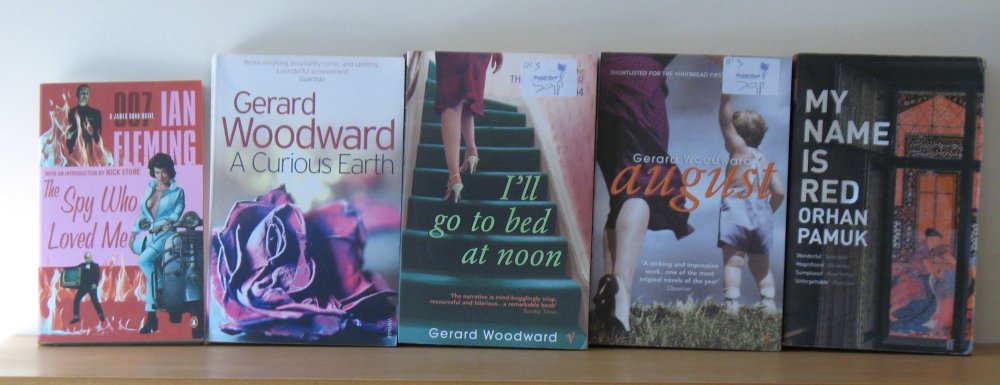
Charity shop finds. My Name is Red becomes March’s book for this year’s reading challenge (see here). I’m still determined to work my way through the 007 books, despite thinking they’re not very good – hence The Spy Who Loved Me. And I’ve quite fancied trying some of Gerard Woodward’s novels for a while, and last weekend I found three in a charity shop: August, I’ll Go To Bed At Noon and A Curious Earth.
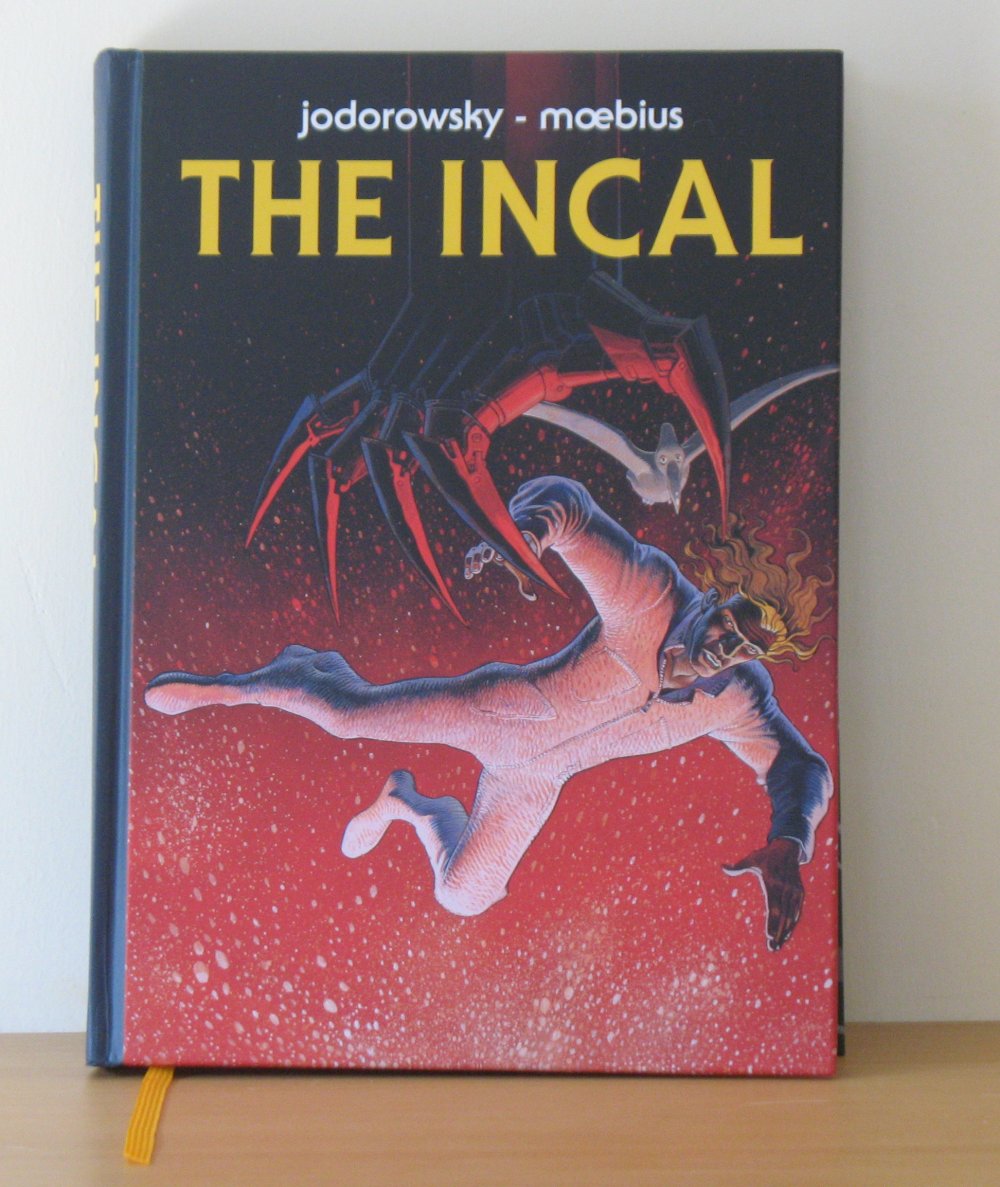
This is the third time The Incal has been published in English – first by Titan Books, then by Humanoids Associates, and now by SelfMadeHero. But this new edition is much nicer than previous ones, so even though I have the Humanoids paperbacks I had to get this one.
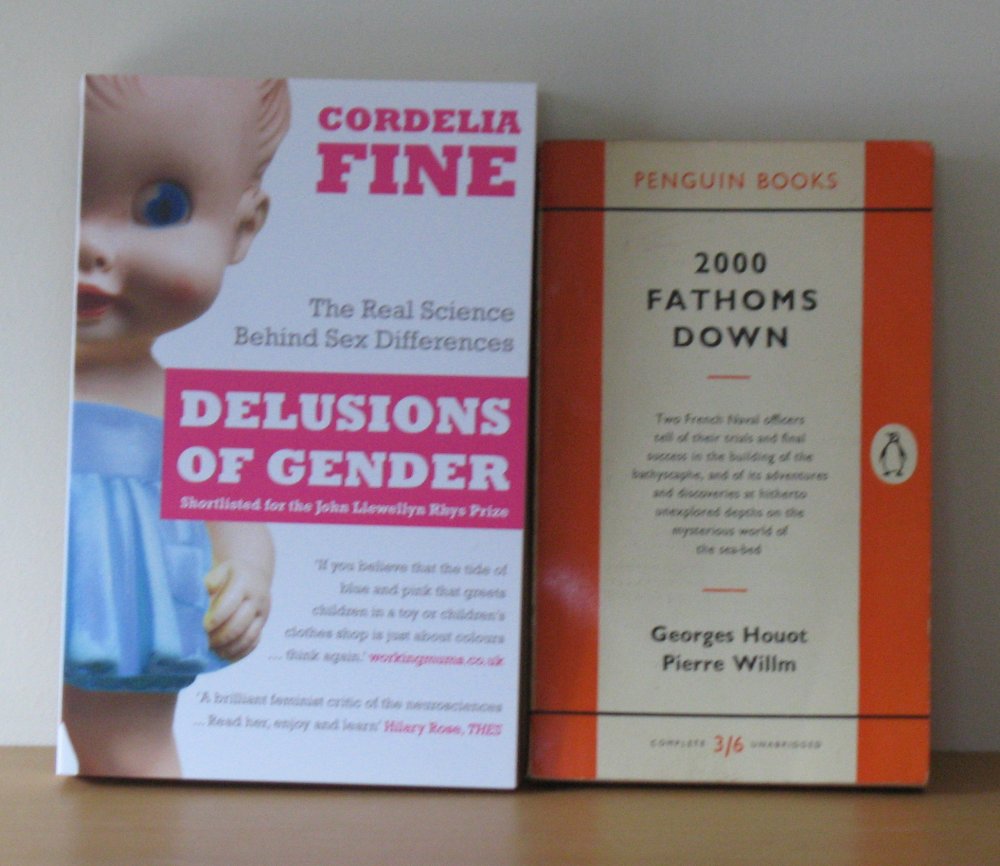
2000 Fathoms Down is for the underwater collection (that’s a collection of books on underwater topics, rather than a collection of books located underwater, of course), and I’ve seen so many positive mentions of Delusions of Gender I thought it was about time I bought my own copy.
This year is almost over, but what will the new year bring? I already have more than a dozen titles from 2012 on my wish list. They are (in alphabetical order by surname of author):
I was going to leave this until January, but everyone else is doing them now. And, let’s face it, there’s only a handful of days left until the end of the year and they’ll be filled with various consumerist festivities. So…
Books
As of 15 December, I had read 156 books in 2011, which I suspect will mean a total on 31 December of slightly less than last year’s 178 books. But then I probably wrote more this year than I did in 2010. Of my reading, 4% were anthologies, and 12% non-fiction… which means of the remainder that 28% were books by women writers and 56% by male writers. I still need to work on that. Genre-wise, 44% was science fiction, 16% was mainstream, 8% was fantasy, and 16% were graphic novels.
Of those 156 books, I have picked six which were, for me, the best I read during the twelve months. They are:
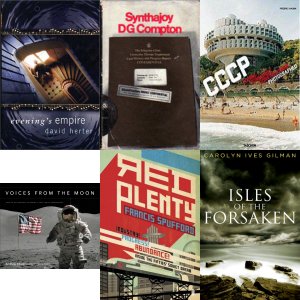
Evening’s Empire, David Herter (2002), should come as little surprise as I raved about when I read it back in April. Initially a Crowlesque fantasy, it takes a peculiar turn halfway through which makes it something weird and wonderful all of its own.
Synthajoy, DG Compton (1968), is another work by an author who continues to astonish me with each novel of his I read. This one has the most beautifully-handled non-linear narrative I’ve come across in fiction, not to mention one of the best-drawn female protagonists in science fiction. I honestly don’t know if this book is better than The Continuous Katherine Mortenhoe or merely just as excellent. I wrote about it here.
CCCP: Cosmic Communist Constructions Photographed, Frédéric Chaubin (2011), suffers under a somewhat forced title, but who cares. Because it contains loads of photographs of amazing Modernist buildings from the former Soviet Union and its satellites. Not all of the buildings still exist, and many of them have weathered the years badly. But there they are, captured in all their glory in this book.
Voices from the Moon, Andrew Chaikin (2009), was published to celebrate the fortieth anniversary of the Apollo 11 Moon Landing, and of all the books published at that time this one is perhaps the best-looking. Chaikin went through the many thousands of photographs take by, and of, the Apollo astronauts, and picked out ones that had rarely been seen before. And then he married those photographs with the words of the astronauts themselves – taken from interviews, transcriptions, etc.
Red Plenty, Francis Spufford (2010), was a book I read under a misapprehension. Though it was shortlisted for the BSFA Award for Non-Fiction, many complained it was partly fictional – inasmuch as it told its story using a cast of real and invented people in a threaded narrative. However, I’d mistakenly understood that Red Plenty not only covered the years of the Soviet Union’s existence but also extrapolated it into an alternate present in which the Soviet system had succeeded. That would the be the “sf” part of the BSFA Award, you see. Not so. But never mind, I still loved it.
Isles of the Forsaken, Carolyn Ives Gilman (2011), I pre-ordered because I’d thought Gilman’s 1998 novel, Halfway Human, very good, and because a write-up of the plot sounded as though it would appeal. And so it did. A fantasy, but not in the traditional epic/heroic mould. I wrote about it here.
Honorable Mentions:
There are a number of these this year, more so than usual. First, Kameron Hurley’s God’s War and Infidel, a very strong debut with some very interesting elements, and some that didn’t quite work for me (see here and here). Eric Brown’s Wellsian The Kings of Eternity is his strongest work for a number of years, and he deserves to be read more than he is. Women of Wonder: The Contemporary Years is an excellent anthology that does exactly what it says on the tin and introduced me to several authors I’m determined to read more (see here and here). Solitaire by Kelley Eskridge (see here) and Zoo City by Lauren Beukes (see here) were the best two novels from my challenge to read twelve books during the year by female science fiction writers. Stretto was an excellent end to L Timmel Duchamp’s Marq’ssan Cycle, and Jed Mercurio’s American Adulterer managed to make fascinating a topic in which I have zero interest, John F Kennedy’s presidency. Finally, a pair of rereads are worthy of mentions: The Female Man by Joanna Russ and Icehenge by Kim Stanley Robinson.
Films
By 15 December, I had watched 183 films. That’s including seasons of television series watched on DVD. Twenty-seven of them I reviewed for VideoVista.net and The Zone. Only one I saw at the cinema: Apollo 18. I’m not a huge fan of science fiction film or television, though I will happily watch them. This may well explain my choices for my top six of the year:
Moolaadé, Ousmane Sembène (2004), is Senegalese director Sembène’s ninth feature-length film, and the first one by him I’ve seen. It is set in a small village in Burkina Faso, and revolves around the refusal of three girls to undergo the traditional female genital mutilation. They are protected by the wife of one of the village’s important men, who herself refused to let her own daughter undergo the same disgusting procedure. This leads to a revolt by the village’s womenfolk, but it ends badly.
Mammoth, Lukas Moodysson (2009). I very much liked Moodysson’s earlier films Show Me Love (Fucking Åmål), Together (Tillsammans) and Lilya 4-Ever, but thought the experimental Container was pretty much unwatchable. Mammoth, however, is not only a welcome return to form, it is a superb indictment of the West’s exploitation of the East. Judging by some of the comments the film has generated, I may the only person to see it in that light. Ah well. Gael Garciá Bernal is astonishingly good in the male lead role – and that’s in a cast that is uniformly excellent.
Norwegian Ninja, Thomas Cappelan Malling (2010), is a Norwegian spoof. The title may have been a bit of a giveaway there. It posits an alternate 1980s in which Norwegian traitor Arne Treholt was not a spy for the Soviets but the head of a secret royal force of ninjas. As a spoof of late 1970s / early 1980s action films, Norwegian Ninja is pitch-perfect, but it is its use of real-life footage, and the way it neatly twists real history, that turns it in to a work of genius. I reviewed it for VideoVista here.
Winter’s Bone, Debra Granik (2010), was not a film I expected to appeal to me: a noir-ish thriller set among the hillbillies of the Ozarks. I not only enjoyed it, I thought it very very good indeed. It takes place in a world peopled by some of the scariest people I’ve seen depicted on celluloid. And they’re not scary because they’re psychopaths or sociopaths, they’re scary because they need to be to survive in that culture.
Underground, Emir Kusturica (1995), was recommended to me, and it was a good call. A black comedy following the fortunes of a pair of rogues during WWII in Belgrade and the years after under Tito. One rises high in the post-war government, while the other remains hidden in his cellar, convinced the war is still going.
The Time That Remains, Elia Suleiman (2009), is the most recent film by a favourite director, so its appearance here should not be a surprise. It’s perhaps less comic than Divine Intervention, but neither does go all bizarre and surreal towards the end. A series of autobiographical vignettes, it builds a narrative of the Israeli occupation of Palestine, and the lives of the Palestinians under Israeli rule. Some parts of it are a delight.
Honorable Mentions:
No science fiction films, I’m afraid. Instead: Israeli thriller, Ajami, set in the titular district of Jaffa; The Wedding Song, which is set during the Nazi occupation of Tunisia in World War II and follows the friendship of two female friends, one Jewish and one Arabic; the BBC’s adaptation of Much Ado About Nothing from 1984, starring Cherie Lunghi and Robert Lindsay, and the best of the Bard’s plays I watched during the year; The Secret in their Eyes, a clever thriller from Argentina, which beat Ajami to the Oscar for Best Foreign Film in 2010; and finally, Michael Haneke’s The Seventh Continent, which is one of the most unsettling films I’ve ever watched.
Albums
I didn’t think 2011 was shaping up to be a good year for music, but that all changed during the second half of the year. I think that might have happened in previous years too. I bought a reasonable number of new albums and old albums. The best of those are:
Harvest, The Man-Eating Tree (2011), is the band’s second album, and it’s a more commercial and slightly heavier-sounding offering. And Tuomas Tuominen still has one of the best and most distinctive voices in metal. I suspect The Man-Eating Tree are going to be the new Sentenced. Certainly when you think of Finnish metal, it’s The Man-Eating Tree you should be thinking of, and not Lordi.
The Death of a Rose, Fornost Arnor (2011), is this UK band’s second album and, like their first, was also self-released. Some have said it’s the album Opeth should have made this year. Certainly it borrows the Swedes’ trademark mix of crunching yet intricate death metal and accomplished acoustic parts. It’s very much an album to lose yourself in, and I’m already looking forward to the band’s next offering.
Weaver of Forgotten, Dark Lunacy (2010), was annoyingly expensive as it was also self-released. But in Italy. (And I see now it’s much cheaper. Gah.) It is… epic. There’s no other word for it. It’s melodic death metal, but of a sort to fill vast spaces. I thought Dark Lunacy’s previous album, The Diarist, was excellent, but Weaver of Forgotten is an order of magnitude better.
Brahmavidya : Immortal I, Rudra (2011), is the third of a trilogy of albums, including Brahmavidya : Primordial I and Brahmavidya : Trascendental I. The band are from Singapore, but sing in – I believe – Sanskrit as well as English. It’s three blokes making death metal, but singing about their mythology. Rudra were one of this year’s discoveries, and I now have the T-shirt.
One for Sorrow, Insomnium (2011). Apparently, the only people who don’t like Insomnium are those who’ve never heard them. Each album finds them more polished and technically accomplished than the last, and it continues to astonish me they’re not better known. Insomnium are the dictionary definition of Finnish death/doom metal.
The Human Connection, Chaos Divine (2011), is one of those albums that blows you away with the first track… but then can never quite scale those heights again. Opener ‘One Door’ is a blinding song, and if the rest can’t compare, that doesn’t mean they’re not good. This is a proggier effort than the band’s first album, and it’s the better for it. Chaos Divine is a band you can tell will improve with each new album.
Honorable Mentions:
I’m sorry, I have to do it: Heritage. I’m giving Opeth’s latest album an honourable mention because, though it took numerous listens before it grew on me, it does contains flashes of brilliance. It’s totally prog, of course, with nary a growl to be heard, and that has to be disappointing… but as a warped vision of old school prog, Heritage is worth its mention. However, Of Death by Byfrost, The Light In Which We All Burn by Laethora and Psychogenocide by Nervecell all get mentions because they’re good albums which are very much in keeping with their bands’ sounds. Byfrost I first heard at Bloodstock, and I enjoyed their set so much I wanted the album. Nervecell are from Dubai and, while I was aware of them before, I saw them this year supporting Morbid Angel and they were excellent. Laethora is just Laethora. Finally, Sowberry Hagan by Ultraphallus deserves a special honourable mention for being a fraction away from sheer noise, yet still remaining powerful and heavy and an excellent listen.
Here we go again – we know a song about that – it’s time for more scrapings from the petri-dish of popular and unpopular culture, as studied under the microscope by Your Scientifically-Minded Correspondent.
Books Satan Wants Me, Robert Irwin (1999). Irwin’s The Arabian Nightmare is one of the best fantasies of the 1980s, and his Night and Horses and the Desert (re-issued as The Penguin Anthology of Classical Arabic Literature) is a highly-entertaining and informative study of, well, classical Arabic literature. Satan Wants Me – god knows what people thought when they saw me reading this on the tram during my commute to work – is presented as the journal of a hippie sociology doctoral student in early 1970s London. He has recently joined an occult group spun off from Aleister Crowley’s Order of the Golden Dawn. He’s also taking a lot of drugs. And he has some very weird friends. There are some very funny laugh-out-loud bits in this novel – which probably got me even stranger looks on the tram – and it’s sharply-observed throughout. Then it goes completely batshit weird towards the end. While not the classic The Arabian Nightmare is, it certainly confirms my belief that Irwin is a writer very much worth reading.
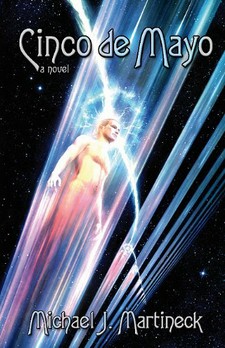
Cinco de Mayo, Michael Martineck (2010), I reviewed for SFF Chronicles here. I’ve known Michael for a long time, though we’ve never actually met in person. We’re both members of an informal critting group, with a couple of other people – i.e., we email each other stories, novel extracts, etc., for comments. So I saw bits of Cinco de Mayo several years ago. But I’d never seen the finished product. I have now, and I enjoyed it very much. And thought it a happily diverse and intelligently put-together story. Definitely worth a read.
Twenty Thousand Leagues Under the Sea, Jules Verne (1870). This 1973 edition of Verne’s classic has my name and old school number written on the ffep, which means I’ve owned this book for just over thirty years. So I must have read it at some point. I know the story – everyone does – but is that from actually reading the book, or just from some form of cultural osmosis? This (re)read did demonstrate that there’s much about the story I’d forgotten / not known. It’s very dull, for one thing. There are endless pages listing ocean flora and fauna. Very little actually happens. Aronnax et al go hunting a mysterious sea monster which has been sinking ships. In an encounter with it, they are swept overboard and then rescued by the monster… which proves to be a submarine: Captain Nemo’s Nautilus. The Nautilus sails around the world, and they do things every now and again. Eventually, Aronnax and his two companions manage to escape, and witness the Nautilus being sucked into a giant maelstrom. That’s pretty much it. Some of the science is impressively detailed; in other places it is impressively wrong – the quoted ocean depths, for instance, are out by quite a margin, claiming the deepest part of the Pacific is something like 15,000 fathoms deep – that’s 90,000 feet! Challenger Deep is actually almost 36,000 feet deep – I know this because of this. Still, despite Twenty Thousand Leagues Under the Sea being a bit of a slog to read, I actually fancy trying a bit more Verne. Perhaps I’ve been unduly influenced by David Herter’s Evening’s Empire…
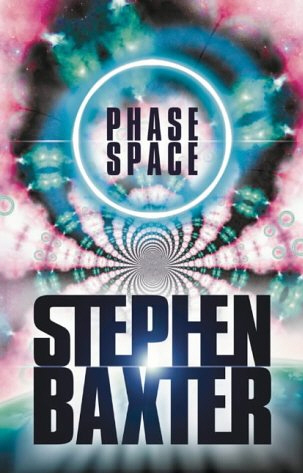
Phase Space, Stephen Baxter (2002), is a collection of short stories, many of which are off-cuts from Baxter’s Manifold trilogy. I read those three books back in 1999, 2000 and 2001 – when they were published, in other words. But not Phase Space. I have a lot of time for Baxter’s fiction, both short and long; but this collection was a bit of a disappointment. There’s some good stuff in it – ‘War Birds’, for example, which won the BSFA Award for Best Short Story in 1998 (and unfortunately resembles something I’ve been working on myself; damn); ‘Tracks’, based on an interview Baxter conducted with Apollo 16 astronaut Charlie Duke; ‘Moon-Calf’, about a retired astronaut on holiday in south-west England; ‘Barrier’, which is the sort of sf I’d be happy to have in Rocket Science. Unfortunately, many of the other stories follow a similar pattern – the narrative is interspersed with italicised first-person infodumps – and so they tend to blur together. And one or two, well, I was surprised to see they’d originally been published by Asimov’s and Interzone… Phase Space is not Baxter’s strongest collection by any means, but there’s some good stuff in it.
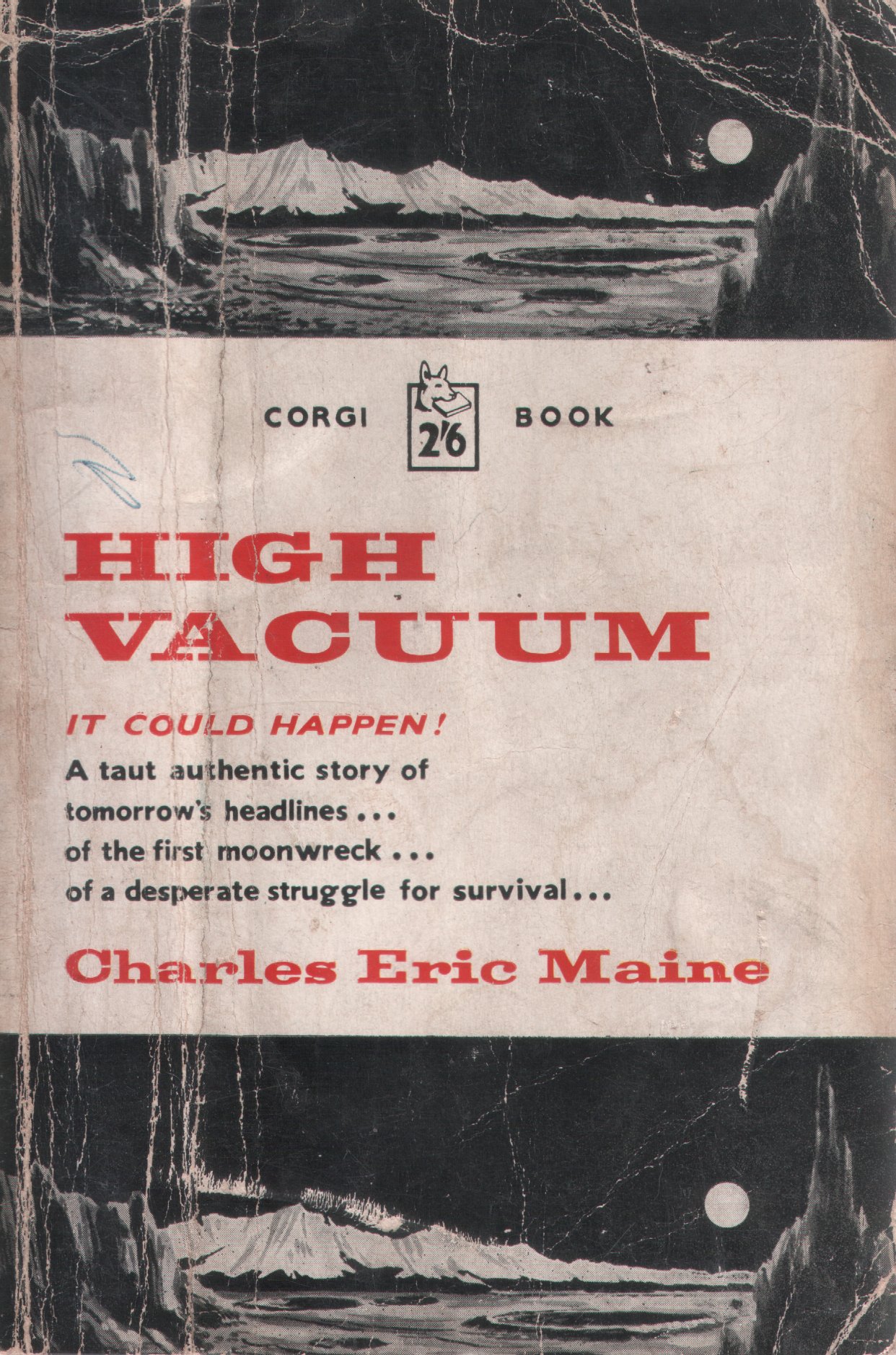
High Vacuum, Charles Eric Maine (1957). I’m currently working on a two-hander review of this and Jeff Sutton’s First on the Moon for my Space Books blog. I thought it might be an interesting exercise to contrast two novels about Moon landings written before the Apollo programme with the real world lunar landings. While I would have said there was plenty of drama in actually trying to get to the Moon, both Sutton and Maine clearly felt what was need for real drama was… a crash-landing.
Icehenge, Kim Stanley Robinson (1984). I have planned a “cage-fight” – which I will write up on this blog – between this book and Robert Heinlein’s The Moon is a Harsh Mistress (which I will have to read first; sigh). Because Icehenge is a much better candidate for the SF Masterwork series. Some of the world-building is a little quaint now – USA vs USSR – but I’ll be completely unsurprised if I find that Icehenge shits all over the Heinlein.
Winterlong, Elizabeth Hand (1990), was April’s book for my reading challenge and I wrote about it here.
The Silver Chair, CS Lewis (1953), is the fourth book of the Chronicles of Narnia by publication date, but the sixth book by internal chronology. Useless Eustace and new-found friend Jill Pole escape from bullies at “modern” school Experiment House (dear god, but Lewis shows his reactionary side with his description of the school), because Aslan wants them to find Prince Rilian of Narnia, who was abducted ten years before. Aslan gives Jill four clues, which she manages to screw up, but it all works out in the end. And everyone gets lashings of buttered scones and hot chocolate at the end, or something. These books are a bit like your old Daily Mail-reading grandad telling a bedtime story – the only bits missing are rants against immigration and falling house prices…
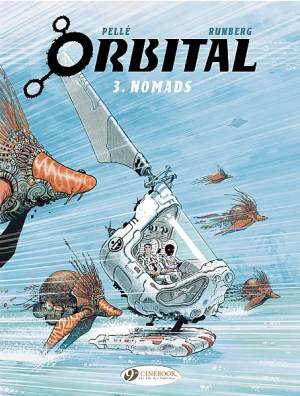
Orbital Vol 3: Nomads, Sylvain Runberg & Serge Pellé (2011), is the third book of a bande desinée series published in English by Cinebook. It’s heartland sf, but far more adult than you’d expect of a science fiction “comic.” Earth is a reluctant new member of a galactic federation, after a war with the alien Sandjarr. A pair of special agents, one human and one Sandjarr, must ensure the celebrations in Kuala Lumpur to mark the end of the war, to which a Sandjarr delegation has been invited, goes without a hitch. But a nomadic alien race has settled nearby, and something is killing all the fish and the fisherman are not happy about it… Good stuff.
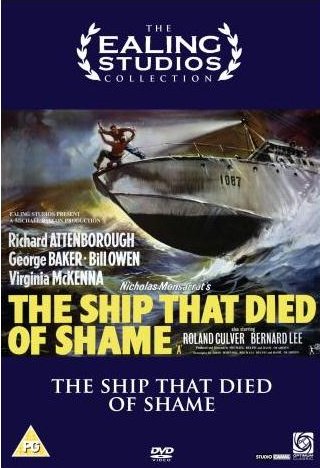
The Ship That Died of Shame, Basil Deardon (1955), is an adaptation of a Nicholas Monsarrat short story of the same title. The crew of a wartime MGB are re-united when they find their old boat – stripped of her weapons, of course – for sale. So they buy her, make her seaworthy, and use her to run contraband across the Channel into post-war austerity Britain. But it all goes horribly wrong when they accept a job to smuggle a murderer to France. Good solid British film-making from the Fifties.
Tin Man (2007), is a mini-series “re-imagining” of The Wizard of Oz, in which Oz becomes the Outer Zone or “Oh Zee”. DG, not Dorothy Gale, finds herself embroiled in a plot by her evil sister to bring endless darkness to the OZ. DG hadn’t known she had a sister, or that the OZ even existed. But when the Midwest farmhouse where she lives with her parents is attacked by strange men in black uniforms, she escapes through a tornado – discovering as she does so that her parents are actually robots. Because she’s really a princess from the OZ. With the help of a heartless ex-law officer (i.e., a “tin man”), the queen’s old advisor who has had his brain removed, and a cowardly lion-like humanoid – oh, and her old tutor, who can transform into a small terrier – DG must find the Emerald of the Eclipse in order to defeat her sister. An interesting spin on a children’s classic which, to be honest, has never appealed to me; but it all felt a bit meh in places. Though it reminded me a lot of the Sci Fi Channel Flash Gordon telly series – which was cheap and a bit silly, but which I quite liked – it didn’t have that programme’s charm.
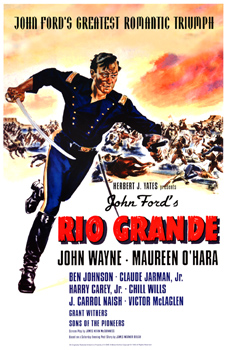
Rio Grande, John Ford (1950). I am not, I admit, a big fan of Westerns. In fact, the only one in my DVD collection is Howard Hawk’s Rio Bravo – which is actually an alternative name for the Rio Grande, the river forming part of the border between the US and Mexico. Rio Grande the film is the third in Ford’s cavalry trilogy, following on from Fort Apache and She Wore a Yellow Ribbon, neither of which I’ve seen. It’s John Wayne doing manly men stuff in the Wild West as injuns run rampant and hide out in Mexico where Wayne’s cavalry can’t follow them. Except he does, even though it might provoke a diplomatic incident. Then he learns that the injuns have captured a wagonload of white kids, which only makes the mission more righteous. The US Cavalry must have been the biggest bunch of war criminals in uniform until the formation of the SS, and their portrayal in films such as Rio Grande has only romanticised their crimes. It’s unlikely a John Wayne film would be “warts and all”, given that there’s always been a strong element of fantasy to the depiction of the Wild West in Hollywood cinema. Wayne’s character may be a racist, but he’s still the hero…
The Spy Who Came In From The Cold, Martin Ritt (1965), is a curiously flat adaptation of Le Carré’s novel of the same name. Richard Burton, who always sounds as though he’s declaiming rather than acting, plays the head of the Berlin office who comes under a cloud when a defection from East Berlin is bungled. He is demoted to a lowly position in London, eventually leaves the “Circus”, and turns to drink and a succession of low-paid jobs. At which point he is approached by East German agents, and reluctantly defects to them. But, of course, it’s all a cunning plot. They’re a bit bloody convoluted these Le Carré films. I have the novel on the TBR; I shall have to read it.
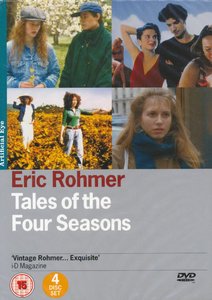
An Autumn Tale, Éric Rohmer (1998). That’s it, all four of Rohmer’s Contes des quatre saisons now watched. In this one, a forty-something woman attempts to matchmake for a winemaker friend of the same age. As does the winemaker’s son’s ex-girlfriend, who has just split up with her university professor lover and who she thinks is an ideal candidate. Unfortunately, most of the characters in An Autumn Tale aren’t especially likable. They prattle and pontificate too much. The ex-girlfriend is particularly annoying – she spouts off lots of arrogant drivel about love and people, but doesn’t actually display much insight. Some poor bloke who gets dragged in as a prospective suitor is horribly mistreated but still hangs in there, though he and the winemaker don’t appear all that well-suited to each other… I first came to Rohmer’s films after watching Triple Agent, and enjoyed its slow-burning drama very much. These Four Seasons films have been… mixed. A Summer’s Tale was easily the best one, with A Winter’s Tale a middling second. A Tale Of Springtime and An Autumn Tale both suffered from unlikable casts. All the same, I’ll be bunging Rohmer’s six Comédies et Proverbes films on the Lovefilm rental list.
Frau im Mond, Fritz Lang (1929), I will be reviewing in more depth on my Space Books blog. For the time-being, I’ll just say that it’s badly-paced, with far too much silliness up-front and not enough screen-time devoted to the mission to the Moon.
The Objective, Daniel Myrick (2008), is advertised as being by the director of The Blair Witch Project, which I’ve never actually seen. A Special Forces team of walking clichés, led by a tight-lipped CIA agent, infiltrate the mountains of Afghanistan where satellites have spotted something very strange indeed. If you like films in which US military stereotypes spout manly men bullshit, and then shoot at things, you might find The Objective interesting inasmuch as it’s not wholly a war film: the eponymous, er, objective, is – keep this to yourselves – not of this world. The film felt a bit amateur in places, and probably would have benefitted from a couple of beers inside the viewer.
The Small Back Room, The Archers (1949). Those back room boys… Without them, we’d never have won the war, you know. Though they don’t actually appear to do much in this film. Sammy Rice is one such back room boy. He has an artificial foot, which pains him; and a dependency on pills and alcohol. He’s also in a strange relationship with his boss’s secretary. When a new type of booby-trapped explosive device, dropped by Jerry planes, starts killing children, Rice is brought in to puzzle out how it works. Meanwhile, he’s crawling further into a bottle, politics at the office is causing major problems, and his increasing bitterness is jeopardising his relationship with his girlfriend. Despite some clever photography, the tension and drama in The Small Back Room never quite works, but as a study of a man succumbing to despair during wartime – including a bizarre drunken dream sequence – the film is very effective. The Archers – Powell and Pressburger – were bloody clever filmmakers, and it certainly shows in this. In lesser hands, The Small Back Room could have been just another anodyne WWII home-front melodrama. We need directors like the Archers in the twenty-first century.
Le Refuge, François Ozon (2009), was surprisingly ordinary and a bit dull for an Ozon film. Could it really have been directed by the same person who made 8 Women, Angel or Water Drops On Burning Rocks? Two junkies score some smack, but one dies of an overdose. The other, the dead man’s girlfriend, only just survives. And then discovers that she’s pregnant. The dead junkie’s family, who are wealthy, don’t want her to keep the baby. But she chooses to have it, so runs away to a friend’s house on the coast. A few months later, the dead junkie’s gay brother comes to visit, and ends up staying a week or so. And, er, that’s about it. There are a number of scenes filmed on a beach, in which the woman’s pregnant belly is plainly visible. I was quite impressed by the prostheses and make-up used for this effect, only to learn in a featurette on the DVD that the actress, Isabelle Carré, really was pregnant during the making of the film. You have to wonder if she was cast because she was pregnant; or did Ozon completely rewrite the script on learning she was pregnant? Le Refuge is a likable drama, but Ozon has made much more interesting films.
Norwegian Ninja, Thomas Cappelan Malling (2010), I will be reviewing for VideoVista, but I decided to give it an early mention because it’s a pitch-perfect spoof of low-budget action/spy movies, and might well end up on my Best of the Year top five films.
Oops. Been a while since the last one of these, so this is going to be a bit of a marathon listing. You know how it goes…
Books American Adulterer, Jed Mercurio (2009). I thought Mercurio’s Ascent was excellent when I read it several years ago, and was much impressed by his intense, meticulously-researched prose. Admittedly, I was initially drawn to Ascent because of its subject – Russian fighter pilot becomes cosmonaut on secret mission – but even so I resolved to keep an eye open for anything else by Mercurio… And so I did. His third novel (his first, Bodies, is on the TBR) couldn’t be more different in subject. It’s a retelling of John F Kennedy’s presidency, couched as a medical report and focusing on his addiction to sex. JFK is often referred to throughout as “the subject”, and the prose dwells a great deal on his poor health. As in Ascent, Mercurio writes with impressive authority – I’m no expert on JFK, but I believed every word in American Adulterer. Mercurio is definitely a writer I’m watching.
People of the Book, Geraldine Brooks (2008), was lent to me by my mother. The book of the title is a haggadah, a Jewish religious text used during Passover. In this somewhat melodramatic novel, a haggadah from the fourteenth century is uncovered in Sarajevo just after the collapse of Yugoslavia (the haggadah is apparently a real one). This particular one is unusual because it is illustrated, something which was previously unknown for such documents in Moorish Spain. An Australian manuscript restorer who specialises in haggadah travels to Sarajevo to verify and restore the document. She finds various bits of, well, stuff, in its binding. These spark off chapters describing, in reverse chronological order, the history of the book – the Balkans during WWII, Vienna, and so on back to Spain. Meanwhile, the restorer is having mother issues. An interesting novel for what it said about the haggadah, but the story wrapped around it was too much of a soap opera.
A Far Sunset, Edmund Cooper (1967), I read for my ongoing series on British SF Masterworks, and I wrote about it here.
Empress Of Outer Space, A Bertram Chandler (1965), is the first in the “Empress Irene” series by Chandler. It’s also a very short novel, one half of an Ace double. Oh, and it’s crap. Empress Irene has just put down a rebellion by a Navy captain who has set himself up as a demigod on a primitive world, when her yacht is stolen. So she commandeers a cruiser and hares off after it with a crew of seven. The narrator is her captain. They track the ship to a world, land, and captain and empress become trapped in a carpet of moss which emits an hallucinogen. They undergo a series of dream-like “adventures” conflated from 007, Shakespeare and ERB’s Barsoom, before eventually escaping. There’s much room here for commentary, but Chandler’s clanking prose treads all over it with a leaden foot. Eminently avoidable. Which is what I should have done…
To Open the Sky, Robert Silverberg (1967), has not aged especially gracefully, though it has a neat idea at its core. A new religion, Vorsterism, which seems pretty secular despite its creed, promises its followers real biological immortality (courtesy of a well-funded research programme which has yet to bear fruit). A glossed-over schism creates the Harmonists, who become not-so-friendly rivals and whose focus instead is human ESP. Because Noel Vorst, founder of Vorsterism, believes that the only way for humanity to survive is to settle the stars. And that can only be done using teleportation by immortal humans. The Vorsters control Earth, but the Harmonists control Venus, and there’s a bit of cunning plottery to heal the rift and so “open the sky”. Not one of Silverberg’s best, but not one of his worst either.
The League of Extraordinary Gentlemen: Black Dossier, Alan Moore & Kevin O’Neill (2007). There’s an interesting process at work in Moore’s comics and graphic novels in which he slowly disappears up his own backside. He’s always been a very referential writer, but this one takes it to an extreme. The series conceit, understandably, references all manner of other writers’ works – well, the characters are all well-known fictional characters. And there are even more references in The League of Extraordinary Gentlemen: Black Dossier. Plus, who else but Moore would print a section of a book in 3D, and include a pair of cardboard-cutout 3D glasses for the reader? Not to mention a Jeeves & Wooster / Lovecraft pastiche. The League of Extraordinary Gentlemen: Black Dossier is great fun. It’s a sort of reference module/interim work in the League of Extraordinary Gentlemen universe, partly explaining the strange change in the story universe which resulted in The League of Extraordinary Gentlemen – Century: 1910 from The League of Extraordinary Gentlemen Book 2. Good, if sometimes baffling, stuff.
Oasis: The Middle East Anthology of Poetry from the Forces, edited by Almendro, Victor Selwyn & David Burk (1943), is the first of the Salamander anthologies of, well, poetry from those serving in the forces during World War 2. Good condition copies of this 64-page chapbook are hard to find, but I managed it (and yes, I have Return to Oasis and From Oasis into Italy, the other two Salamander anthologies). Oasis: The Middle East Anthology of Poetry from the Forces is, unsurprisingly, a mixed bag. Some known names provide some good stuff, but there are less successful poems by others. Given that the Salamander people were stationed in Cairo, many of the poems feature the desert, Egypt, or Cairo itself. Not all of the poems are war poems – in fact, there’s a quite a spread of subjects.
Winterstrike, Liz Williams (2008), was the second book of this year’s women in sf reading challenge. I wrote about it here.
Science Fiction: The 100 Best Novels, David Pringle (1985), does exactly what it says on the tin. Except for that “best”, of course. Pringle explains his choices in a lengthy introduction, and freely admits that some of his picks are not actually very good, nor does he like them very much. But he considered them important so he included them. He also points out that sf as a whole is not an especially well-written genre. I would guess about 70% of the books mentioned I’d classify as rubbish, and their stature within the genre is, to me, no good reason to hold them up as “best”. Um, there’s an idea for a project: my own choice of 100 best novels, posted here one a day…
Stretto, L Timmel Duchamp (2008), is the fifth and final in Duchamp’s Marq’ssan Cycle. I plan to write about the entire quintet in more detail at some point. Certainly they are amongst the most political science fiction novels I have ever read. They are also very good.
Nocturnes, Kazuo Ishiguro (2009), is a collection of five stories featuring Ishiguro’s trademark self-deluded, and never entirely likeable, narrators. The five stories all feature music in some fashion, and are set variously in Venice, London, Malvern Hills and Los Angeles. Like most of his fiction, the story-arc seems to dribble and die rather than actually concluding, but the writing is very good throughout. I suppose if you wanted an introduction to Ishiguro’s writing, this collection would be a good place to start.
An Artist of the Floating World, Kazuo Ishiguro (1986), was Ishiguro’s second novel and an improvement on his first, A Pale View of Hills. The book is set in Japan in 1948 and 1949, and the titular artist, about to marry off his twenty-six-year-old daughter, reflects over the events in his life before and during the war. Something he did may cause the marriage negotiations to fail (as they had done once before), but as usual Ishiguro doesn’t say what and only circles around the topic. In fact, An Artist of the Floating World is even more discursive than other books by Ishiguro I’ve read. The narrator is, typically, self-deluded – and, in this case, hugely self-important too. The book would have been much improved by a resolution.
Voices from the Moon, Andrew Chaikin (2009), is a glossy coffee-table book published during Apollo 11’s fortieth anniversary. I reviewed it on my Space Books blog here.
Son of Heaven, David Wingrove (2011), is the first book, and a prequel of sorts, to the newly-relaunched, re-written and revamped Chung Kuo series. What was eight volumes is now twenty. And by the looks of it Corvus are doing an impressive job on these new editions. I read the book, and interviewed the author, for Interzone.
The Voyage of the Dawn Treader, CS Lewis (1952), is the third book of the Chronicles of Narnia. The third book as written, that is; but the fifth following internal chronology. I’m way too old for these books, which is probably why I find them so annoyingly patronising; but I’d like to think I’d have felt the same if I’d read them when I was eight or nine. This one is at least better then the previous two, and has a bit more of a plot. Lucy and Edmund, plus horrible cousin Eustace, fall into a painting and find themselves aboard the titular ship with Prince Caspian. He’s heading east for the edge of the world to find seven missing lords and, perhaps, Aslan’s Land. They have adventures en route, and Eustace learns how to be a nice chap. What little charm these books possess has aged badly, but Lewis certainly proves he can stick the knife into his “muggles” so much more effectively than Rowling ever managed: “They were very up-to-date and advanced people. They were vegetarian, non-smokers and teetotallers and wore a special kind of underclothes.” Best line in the entire book, and it’s in the opening paragraph…
The Adventures of Blake & Mortimer: The Sarcophagi of the Sixth Continent, Part 1, Yves Sente & André Juillard (2011). I don’t normally include graphic novels in these lists because they’re such quick reads. But this one is worth mentioning: the characters of Blake and Mortimer were invented by Belgian Edgar P Jacobs in the 1946 and first appeared in Hergé’s Tintin magazine. Blake is a captain in MI5 and Mortimer is a nuclear physicist, and together they’ve had numerous semi-science-fictional adventures. Sente and Juillard have, since the millennium, been adding to Jacobs’ series, and they’re doing an excellent job. Sente’s scripts are very much grounded in the period in which the stories take place – the 1950s – and real-world events are cleverly used. In this one, it’s India’s struggle for independence which drives the plot. The books still have a tendency to fill the frames with dialogue, and often use text boxes to describe what’s obvious from the art; but I much prefer these new stories to Jacobs’ originals.
The Best of Kim Stanley Robinson (2010) does exactly what it says on the cover. The stories were selected, and the collection edited, by Jonathan Strahan, but KSR himself provides an afterword giving brief notes on each of the included pieces. The first three – ‘Venice Drowned’, ‘Ridge Running’ and ‘Before I Wake’ – are not especially strong, but ‘Black Air’ and ‘The Lucky Strike’ then demonstrate only too well why KSR is such a bloody good writer. There’s a sf baseball story, and I’ll never understand the appeal of the game or of writing about it. The remaining contents are strong, with some better than others. The final story, ‘The Timpanist of the Berlin Philharmonic, 1942’, is original to the collection. I wasn’t entirely sure why it was genre… which is, I suppose, one of the reasons KSR’s fiction appeals so much. Definitely a collection which belongs on the book-shelves of any self-respecting sf fan.
Time of Hope, CP Snow (1949), is the first book, internal chronology-wise, in Snow’s 11-volume Strangers and Brothers series. Lewis Elliott is the son of a bankrupt in an unnamed provincial Midlands town during the early 1920s. After leaving school with good exam results, he becomes a local government clerk in the education department. But he dreams of better things. After making friends with George Passant, a qualified lawyer working as a legal assistant in one of the town’s practices, Eliot decides that the law is the career for him – but not as a solicitor, as a barrister. He crams for the Bar examinations, passes them, uses contacts to get himself into an Inn, and so progresses his career. Meanwhile, he’s fallen in love with – and eventually marries – the neurotic but beautiful Sheila Knight. He also develops “pernicious anaemia” and is very ill for a while. But when this is re-diagnosed as “secondary anaemia”, he seems to miraculously recover – probably the only false note in the novel. Snow draws deep psychological portraits of his characters – it’s all told from Elliott’s point of view, but he’s a deeply analytical person. I enjoyed this a lot more than I expected. I certainly plan to track down the remaining ten volumes and read them.
Films Tell No-One, Guillaume Canet (2006), is a French adaptation of a novel by US writer Harlan Coben. Which pretty much explains why this film didn’t work. It’s not a French film. It feels like a US film played by a French-speaking cast. As a thriller, it’s not bad, but that dissonance between expectation and implementation made for an unsatisfactory viewing experience.
Fringe season 2 (2009), continues the 21st century “X-Files” as, in this season, the mythology is deepened as Olivia visits the alternate world at war with our world, and more of her background – and Walter’s experiments – are revealed. Walter’s ex-partner and semi-nemesis, Bell (played by creaking Leonard Nimoy), also features prominently, popping up in several episodes to explain what it is that’s actually going on. Fringe remains gripping telly, and I’ll be picking up season 3 when it hits DVD.
Julius Caesar, dir. Herbert Wise (1979), is the seventh of Shakespeare’s plays I’ve now seen. After watching it, I jokingly posted to a forum that it was a rip-off as Caesar dies halfway through. But then, of course, it’s not so much about Caesar himself as it is the plot which removes him and the power vacuum he leaves behind. Charles Gray played a somewhat effete title role, but the supporting cast were uniformly good. It’s a very manly men type of play – you’d expect the theatre to reek of sweat and blood if you saw it live. I must admit, from the ones I’ve seen so far, Shakespeare’s tragedies have been better than his comedies. Perhaps the comedy simply hasn’t travelled across the centuries, but tragedy is timeless. Still, Julius Caesar is a strong play and worth seeing.
The Racket, dir. John Cromwell (1951), is a somewhat preachy near-noir film I reviewed for VideoVista here.
Splice, dir. Vincenzo Natali (2009), is a remake of any one of the numerous Frankenstein movies that have been made over the decades. Sort of. Two research scientists create an artificial lifeform – they’re trying to create an artificial lifeform that can manufacture pharmaceuticals – but this latest one they’ve added some human DNA to the mix. It grows up – very quickly – into a strange-looking young woman (she certainly wouldn’t pass unnoticed on a busy street). But it all goes horribly wrong when male scientist cannot resist the monster’s charms, but is unfortunately caught in the act of boinking her by his wife, the other scientist. The monster then goes berserk. A cleverly-done film, but it never really struck me as quite as clever as it thought it was. It’s more like Frankenstein as if no one had ever written it before and it had been newly-thought-up in the twenty-first century. But since Mary Shelley got there first in 1818, the commentary all feels a bit obvious and old-hat. Worth watching, nonetheless.
Water Drops On Burning Rocks, dir. François Ozon (2000), is actually based on an unfilmed script by Rainer Werner Fassbinder (I really must watch some of his films some day). It’s not an easy film to describe… A middle-aged man arrives home with a twenty-year-old man, who becomes his live-in lover. Everything goes swimmingly for a while, but then the relationship begins to pall. When the older man is away on business, the younger man’s ex-fiancée turns up. This causes ructions, which are further exacerbated when the transsexual ex-girlfriend of the older man arrives. There’s a scene in the film, remarked on by all the critics, in which the four characters dance to a horrible piece of German pop. It is… astonishing. And while it may not sound like much, it’s worth the price of admission alone. Water Drops On Burning Rocks is one of those odd films that pulls you in and refuses to let go.
Love’s Labour’s Lost, dir. Elijah Moshinsky (1985), makes it eight. I’m sorely tempted to buy myself a copy of The BBC TV Shakespeare Collection boxed set, so I’ll have all of the plays on DVD. Except if I did that I’d probably never get around to watching them. But because I rent them, I feel obligated not to send them back unwatched (and it’d be a waste of money too). So perhaps for the time-being I’ll keep on doing that. Anyway, Love’s Labour’s Lost is a comedy, and not an especially good one. although set in the Kingdom of Navarre, which existed from 824 to 1620, but the cast all wear eighteenth-century dress. The king and his men friends have decided to swear off all pleasures and devote themselves to scholarly study for seven years. This means no women. Which does not go down well. Unfortunately, along comes a princess of France on a diplomatic mission, and she’s unhappy at being told she cannot stay in the palace but must camp in a field outside it. So, of course, the men fall in love with the women, there’s some mistaken-identity comedy, a very strange play-within-a-play, and, strangely, an ending which defers the real ending for “a year and a day”. An odd play, and not the most enjoyable of those I’ve watched. According to Wikipedia, it’s often assumed that the play was written for student lawyers, which probably explains it.
Choose, dir. Marcus Graves (2010), is a low-budget thriller I reviewed for VideoVista here.
Millennium season 1 (1997), was Chris Carter’s new project after The X-Files. Frank Black (Lance Henriksen) is an ex-FBI profiler with a gift: he can see what the killer saw. Unfortunately, this led him into a nervous breakdown and early retirement. So he moves back to his hometown of Seattle, and is recruited by the Millennium Group, who consult with the police on difficult murder cases. The series is as much about the mysterious agenda of the Millennium Group as it is about Black and his gift, or his relationship with his wife and young daughter (who may also have the same talent). While the IT in the series dates it, Millennium actually holds up really well. Except for those dial-up modems and CRTs, it could have been made last year. Despite being high-quality television, the programme only lasted three seasons. Happily, I have the Seasons 1-3 boxed set. (Bizarrely, search for “Millennium” on Amazon, and it doesn’t return the Seasons 1-3 boxed set. But search for “Millenium” and it does – despite the title clearly have two “n”s. Stupid search engine.)
The Innocents, dir. Jack Clayton (1961), is an adaptation of Henry James’ The Turn of the Screw, starring Deborah Kerr as the governess who is terrorised by her two strange charges. This is on a list of Top 100 British Films I found somewhere online but, to be honest, I found it a bit dull. Kerr may have been good in her role, but any film in which the lead character spends most of her time running around with a look of horror on her face – with no apparent agency, in other words – is not going to keep my interest. Perhaps I’d have enjoyed it more if I’d read the book.
Star Trek The Next Generation season 3 (1989), was actually the last full season on ST: TNG I’d seen. When I lived in the UAE, Star TV, Murdoch’s satellite channel for India, and the middle and Far Easts, bought the programme. They broadcast season one. The following year, they broadcast season one followed by season two. And the year after… You can probably guess. Star TV’s English-language channel then turned Hindi (and Baywatch in Hindi is actually better), and the new English-language channel was subscription only. So, as a result I’ve only seen scattered episodes of ST: TNG season 4 to 7. To be honest, I’d forgotten most of the episodes from season 3, although the few stand-outs I remembered were from this season. Especially ‘Yesterday’s Enterprise’, which is still a good piece of science fiction telly. Other episodes are less successful, but at least the season is a damn sight better than season two was.
Ajami, dir. Scandar Copti and Yaron Shani (2009), is an excellent Israeli film I review for VideoVista here.
If…., dir. Lindsay Anderson (1968), is another film from the Top 100 British Films list. I thought I’d actually seen this before, but on watching it discovered I never had. I’d just lived it. Sort of. I went to a public school not unlike the one in the film – but more than a decade later so many things had changed. Certainly the whole way of life was familiar to me, and I thought Anderson captured it well. The ending… well, perhaps it was shocking in 1968, but it all seems a bit meh these days. Perhaps it’s been copied so many times, it’s lost its power. A good film, with some very strange bits in it, and worth watching.
Bad Lieutenant – Port Of Call New Orleans, dir. Werner Herzog (2009), is one of those films that almost defies criticism. Certainly Nicolas Cage in the title role defies any kind of commentary. He plays his character as a bucket of twitches and tics topped by a bad toupee. And yet it bizarrely seems to suit the film. The plot is a bog-standard thriller, with little to recommend it. But there is one scene that’s worth the price of admission alone, where Cage’s character says of a man he has just shot dead, “His soul’s still dancing”, while a doppelgänger of the dead man breakdances behind the corpse. Genius. I knew going in that a Herzog thriller was not going to be an ordinary thriller, but even then Herzog confounded my expectations and made it a Herzog film in ways I had not considered. Which was pretty foolish of me in the first place – this is, after all, the director who made a film with a cast who were all under hypnosis…
I can’t even remotely pretend the ten authors in this list are the “greatest” in any commonly-accepted sense. They’re not all favourites, but they’re certainly the authors whose writing I admire the most. Still, it’s a list. Everyone likes lists.
In no particular order…
Lawrence Durrell – I love the way he uses the English language. At a sentence level, I think he writes the best prose of any writer I’ve ever read. The Alexandria Quartet is required reading.
Anthony Burgess – because fiction should be clever – although, to be honest, Burgess was occasionally too clever for his own good. Once described as a great writer who never wrote a great novel… except Earthly Powersis a great novel.
John Fowles – the sheer readability of his prose disguises the depth and insight of his fiction. The French Lieutenant’s Woman is one of the great works of post-war British literature.
DH Lawrence – I came late to Lawrence, but I immediately fell in love with his prose – the level of detail, the insight, the poetry…
John Crowley – the Ægypt Sequence remains one of the best works of American literature from the second half of the twentieth century. Often it seems the height of hubris to claim Crowley as a genre writer.
M John Harrison – the finest British prose stylist who self-identifies as a genre fiction writer. Light is a touchstone work of science fiction.
Paul Park – the finest American prose stylist who self-identifies as a genre fiction writer. His books are less challenging than M John Harrison’s, but they also make more original use of genre tropes.
Gwyneth Jones – her prose is an order of magnitude better than is typical for science fiction; and her science fiction is an order of magnitude more sophisticated than is typical for the genre.
WG Sebald – because he’s such a resolutely interesting writer in the way he frames and presents narratives.
Kim Stanley Robinson – the most thoughtful science fiction writer of his generation, and extremely readable with it. The Mars trilogy is a touchstone work of science fiction.
Honourable mentions: Mary Gentle, Paul Scott, Joseph Conrad, Frank Herbert, Margaret Atwood, Kazuo Ishiguro.
Everyone loves lists. Contentious lists are even better. So here’s one: the ten absolute best science fiction novels ever published – written by sf authors, published by sf publishers. These ten books show what the genre is capable of when it aims to be more than mindless escapism. They are fiercely intelligent, beautifully written, meaningful, inventive, rigorous, and sf from the first word to the last. They are, in chronological order:
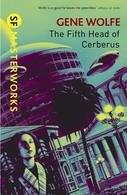
The Fifth Head of Cerberus, Gene Wolfe (1972). A collection of three novellas – but not a cheat, as the three are linked and form a novel together. This is the sort of science fiction that can be read and enjoyed, and then carefully puzzled through to determine what was really going on. Wolfe is a tricksy writer, and in The Fifth Head of Cerberus he’s at his tricksy-est.
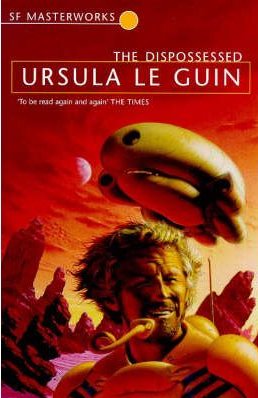
The Dispossessed, Ursula K Le Guin (1974). Donald Wollheim once claimed that the benevolent dictatorship was the government of choice of sf fans. That’s clearly what comes of reading too many space operas with interstellar empires and the like. And yet sf also has a history of documenting the road to utopia. All that benevolent dictator stuff is nonsense, of course – it’s as much fantasy as the Competent Man as hero. Thankfully, not everyone subscribes to it. The Dispossessed is a political book – it’s even subtitled “An Ambiguous Utopia” – and it’s political in a way that makes you think, that shows you what sf is really for.
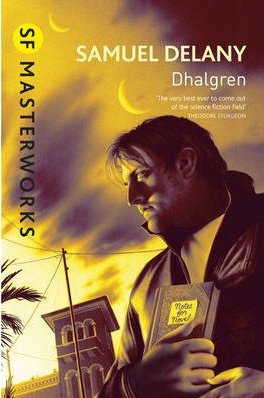
Dhalgren, Samuel R Delany (1975), is definitely science fiction – it’s in the relaunched SF Masterworks series, for a start – even though it’s proven extremely popular outside the genre. Sometimes it reads like a novel of its time, sometimes it seems almost timeless. But every time you read it, it’s different. It is also the most profoundly literary book in this list, and from an author who is steeped in genre.
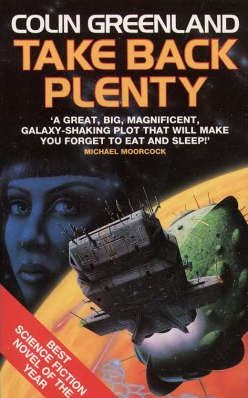
Take Back Plenty, Colin Greenland (1990). Yes, so Iain M Banks’s Consider Phlebas arguably kicked off the whole New British Space Opera thing in 1987, but to my mind the movement didn’t really gel until the appearance of Take Back Plenty three years later. I remember the buzz the book caused – and I remember on reading it discovering that it was as good as everyone said it was. I reread it a couple of years ago, and it’s still bloody good. So why is it not in the SF Masterworks series, eh?
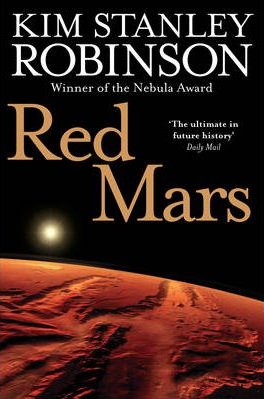
The Martian trilogy, Kim Stanley Robinson (1992 – 1996), is a bit of a cheat as it’s three books. While many are full of admiration for the first book, Red Mars, but not so keen on the sequels, Green Mars and Blue Mars, I maintain that the whole is greater than the sum of its parts. You need to read Green Mars and Blue Mars after you’ve finished Red Mars because the first book only poses a small handful of the questions the three books ask and attempt to answer.
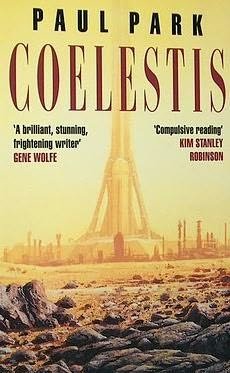
Coelestis, Paul Park (1993), was once described by John Clute as “Third World sf”, but I prefer to think of it as “post-colonial sf”. But not “post-colonial” in the same way as Ian McDonald’s River of Gods. I was an expat until only a few years ago, so it’s no surprise I’m drawn to fiction which documents the British expat experience abroad – hence my admiration for Lawrence Durrell’s Alexandria Quartet and Paul Scott’s Raj Quartet. While Park is an American, Coelestis is infused with that same atmosphere. Plus Park is one of the best prose stylists in this list. Why has this book been allowed to go out of print? Someone publish a new edition, please.
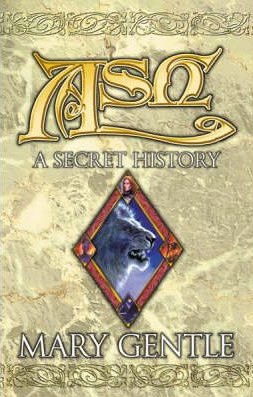
Ash: A Secret History, Mary Gentle (2000). This is the biggest book on this list – it contains nearly a million words. It is, with Red Mars, one of the most rigorous too. Rigour is important in sf – you can’t just make shit up as you go along (but you can, of course, as Iain Banks is fond of putting it, “blow shit up”). The bulk of the story may be set in an alternate mediaeval Europe, but it is not fantasy. It is clever, it is visceral, it is also physically heavy.
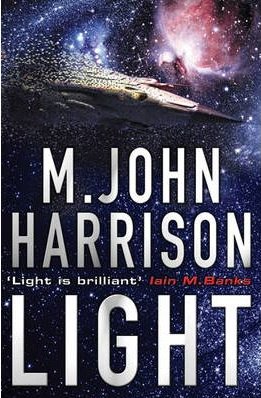
Light, M John Harrison (2002). They say Harrison is a writer’s writer, and the prose in Light certainly suggests as much. Light is also one of those novels that’s often described as one which “redefines” science fiction. Which it does. Sort of. But not by coming up with something new, only by shedding new light on those genre tropes being over-exercised at the turn of the century. They say that sf is a genre in conversation with itself, which makes Harrison one of sf’s sharpest conversationalists.
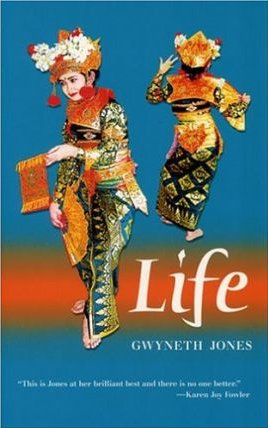
Life, Gwyneth Jones (2004). I need only repeat David Soyka from his review of this book on sfsite.com: “You can stop reading right now and go out and buy the book. Otherwise, you’ll have to endure yet another one of these diatribes about how science fiction doesn’t get any respect from the literary mainstream. Because you can’t read this book and not reflect on the fact that had this been written by, say, Margaret Atwood, Life would be receiving more of the widespread attention it deserves.”
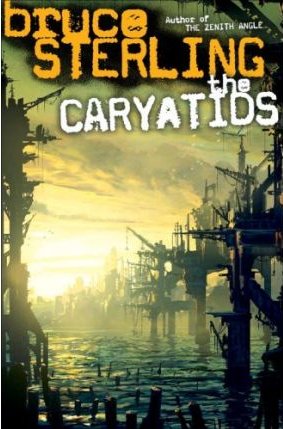
The Caryatids, Bruce Sterling (2009). I’ve never believed sf should be predictive, but if any sf writer could be called an “architect of futures” then it would be Bruce Sterling. And in The Caryatids he has produced his most inventive and meaningful conversation with the future yet. It is the best book he has written. So why hasn’t it been published in the UK? Why is there only a US edition of this excellent book?
These are not “seminal” sf novels, they are not “classics”, they are not even especially popular. But they are “best” in the true meaning of the word – i.e., “of the highest quality”. If you haven’t read them, you should do so immediately.
Now tell me which books I’ve missed off my list. No mainstream authors slumming it in the genre, please. And I don’t care what impact a book had in, or outside, the genre. It has to be, in your eyes, one of the best-written science fiction novels ever published. And that doesn’t mean the “most entertaining”, or any other excuse used to justify flat writing, cardboard characters, or simplistic plotting. I’m not talking about fit for purpose; I’m talking about excellence in writing, in prose, in literature, in genre.






 It Doesn't Have To Be Right...