
I mention music far too infrequently on this blog, despite the fact I have it playing almost constantly throughout the day – on my iPod when I’m at work, on iTunes when I’m at home. So here’s a top tune by Laethora, a side-project of two of my favourite bands, Dark Tranquillity and the now sadly disbanded The Provenance. ‘The Sightless’ is from Laethora’s latest album, The Light in Which We All Burn, which could almost be a title from the Apollo Quartet. The video is by Niklas Sundin, Dark Tranquillity and Laethora guitarist, and graphic artist.
Category Archives: music
Metal scorchio
Every year, I say to myself I’m too old for this shit; and every year, I find myself in a field in Derbyshire listening to some of my favourite bands and having a great time. I say “every year” but Bloodstock 2012 was only my fourth Bloodstock since 2008 (I missed 2009 and 2010). But it has definitely got better every year. And bigger, too.
After packing the Toyota Tardis Yaris with all our gear, the four of us – Craig, Emma, Rowan and myself – headed to the local Asda for our final pre-festival shop. Naturally, this meant beer. And water. And baby wipes. And items for the Bucket o’SnacksTM. We also wanted something to eat on our way to Catton Hall, since it was already lunch time. Annoyingly Asda makes its pork pies with milk, which is not how they should be made. Fortunately, we found some very nice sausage rolls instead which I could eat.
Then it was back into the car and down the M1 and A38 to Catton Hall, Derbyshire. We made good time and, despite leaving a little later than intended, managed to arrive as planned at two pm. Craig had bought himself a collapsible trolley after the difficulties we had last year carting everything from the car park to the camping ground. It proved a wise purchase, although it did mean he had to drag along about 400 kilos of booze and tents. But at least we never needed to return to the car for the entire weekend.
I’d been worrying for weeks beforehand that we’d have torrential rain during the weekend, so Craig had lent me one of his tents – my pop-up tent would probably have been destroyed by the first downpour. In the event, we had blinding sunshine for three days, and a warm slightly overcast Sunday with a couple of weak showers. In fact, Craig managed to get sunstroke on the Friday.
After meeting up with Roger in the car park, we began the long trek to the festival ground entrance and the camping ground. Cat and Sly joined us, and once we had put up our tents – in pretty much the same spot as last year – we headed for the arena.
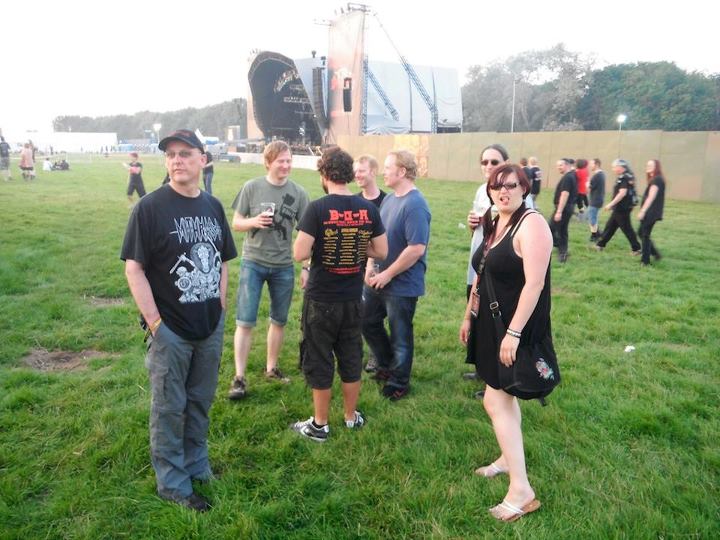
photo: Craig Andrews
First band of the festival was Saturnian, whom we’d seen last year. They were playing on the Sophie Lancaster Stage, which is in a huge marquee. Beer had gone up a little in price since Bloodstock 2011 – £4 for a pint of Bloddstock Ale, or £3.90 for a plastic bottle of Carlsberg. And Monster were no longer sponsors; this year, it was Red Bull, but their presence was very low-key. After Saturnian, we wandered about the arena, which more or less resembled last year’s. Mr Tea’s was there – which pleased Craig, Emma and Rowan greatly, as they’re big tea-drinkers. There looked to be a wide selection of food available, so it was unlikely I’d have to go hungry or subsist on the contents of the Bucket o’SnacksTM.
When we got back to the tents, Roger – who had waited in the car park to meet friends – had arrived and put up his tent. As had Burnie, Gray and Will. I remember the night being really cold. Though the tent I’d borrowed was double-walled, I was using the same Argos sleeping-bag as previous years and it’s not especially effective. I’d taken the precaution of buying a fleece to use as a blanket, and that sort of worked. Fortunately, Thursday was the coldest night of the weekend.
My first two times at Bloodstock were spent mostly drinking or suffering from a hangover. Last year, we’d decided to focus more on the music, and make an effort to see more bands. The same plan was in effect for this year. Emma had marked down those with female members for Femetalism; other bands we decided might be worth hearing from their write-ups in the programme. And then there were those bands we knew and liked and had always planned to watch perform – for me, that would be Alcest, Winterfylleth, Nile, Paradise Lost and Anaal Nathrakh. Which is not an especially large number for a festival lasting three and a half days…
Friday and Saturday were spent almost identically – wandering from stage to stage to hear bands, sitting out in the sun, taking occasional breaks in Mr Tea’s, drinking beer… As per the last year, for lunch I “falafelated” (the falafel wrap, however, was much better this year). Dinner was chips and gravy. I watched Moonsorrow on the main stage, the Ronnie James Dio Stage, and, appropriately, Dio Disciples, who played a bunch of old Rainbow and Black Sabbath tracks (the best ones, of course, from the line-ups with Dio). On the Sophie Lancaster Stage, I watched some of The Commander-in-Chief, a female guitarist, but didn’t much like her semi-operatic vocals. The following act, Swiss band Gonoreas, despite the unfortunate name were quite good. The main attraction that night was French metal shoegazer band, Alcest. They were good, but it’s music to be sitting down for, I think. We did catch a couple of acoustic sets on the Jägermeister Stage, the best of which was Manchester folk metallers Andraste.
At one point during the afternoon, I was in the audience for Pythia’s set on the Sophie Lancaster Stage, but several people had lit up joints and the smell of weed was making me ill. So I left the tent. There were clearly-posted signs saying “No Smoking” in the tent, but dopeheads seem to think that doesn’t apply to them. Cigarette smokers had the decency to smoke outside, but the smell of weed was constant throughout the weekend. That, and the heat, made several of the sets unpleasant to watch. I’d not noticed the dope on previous Bloodstocks. But then Sonisphere had been cancelled the month before and it was suggested a lot of people that would have attended that had come to Bloodstock instead. Perhaps that accounted for it.
Also that afternoon, I chatted with Leon of Mithras at the Zero Tolerance stall and we had what is turning into our annual moan about not being able to make decent money recording music or writing science fiction – or at least the sort of music he records and the sf I write. Later that night, Cat, Sly and myself had a go on the dodgems. The others were, I think, watching a band on the New Blood Stage. Top tip: when on the dodgems, don’t leave your phone in a thigh pocket. I did. Mine now has a small crack on the screen.
We didn’t stay in the arena to see the day’s headliners, Behemoth, but returned to the tents to drink beer. We hadn’t seen Watain either, as they clashed with Alcest. I don’t think we missed much – Leon had described Watain as “black metal for people who don’t like black metal”.
The only acts playing the Ronnie James Dio Stage I really wanted to see weren’t on until the Sunday. I did hear the occasional song by those playing on the Saturday as I wandered about the arena, and I did stay for the first few songs by Machine Head, that day’s headliner. But I saw more bands perform on the Sophie Lancaster Stage. Rising Dream, a Croatian female-fronted power/death metal band were the highlight of the day. I’d wandered in to see who was performing at the beginning of their set, and stayed for the entire performance. Winterfylleth, on the other hand, I’d planned to see. I’d seen them live once before at the Day of Unrest in 2008 (see here). They were good and the tent was packed for their set. I may well pick up a copy of their latest album.
That night, there was the usual Saturday night shenanigans in the camping ground. A group of about a hundred tried some bin jousting, but managed no more than two jousts before security staff came and took away the bins. So they made do with finger-wrestling. It was noisy but good-hearted. There was no re-occurance of last year’s trouble.
Sunday was easily the best day for me in terms of music. And it proved even better than expected. The others were taking their time getting up, so at 10:30 I decided to head into the arena on my own. After a bacon sandwich, I wandered across to the New Blood Stage to see what was happening there. It was the first act of the day, Seprevention, and they were excellent – old school death metal with duelling shredding guitars. I wandered round for a bit more, before returning to the New Blood Stage to watch Aethara, who I also thought very good. By this time, Craig, Emma and Rowan had appeared, so we stayed for So-Da-Ko, though I didn’t like them as much as the two bands I’d already seen. Then it was outside to watch Nile. I’d been warned they weren’t that good live, but I thought they were excellent.
The others settled down in Mr Tea’s but I headed off to the Sophie Lancaster Stage to see Ancient Ascendant. They weren’t bad but their write-up in the programme had suggested they’d be better. I wasn’t especially keen on seeing Anvil on the Ronnie James Dio Stage. Yes, I know it’s meant to be bad, but I’ve yet to be convinced metal and irony mix (no pun intended). Anyway, we staked out an area on the grass pretty much where we’d spent the Sunday afternoon the previous year. After Anvil – who were mildly amusing – it was Paradise Lost. They were good, but I’d seen them in the Corporation in April and they’d been much better then.
I had no plans to watch Dimmu Borgir – I’ve caught them live twice before, despite not being a fan – so after a couple of songs I headed off to the Sophie Lancaster Stage to see Anaal Nathrakh. I’d thought the others had planned to see them too, but it turned out I was on my own (though Craig did turn up toward the end of the set). The tent was packed – and filled up even more after Dimmu Borgir finished their set after halfway through Anaal Nathrakh’s. So much so, in fact, that I found myself slowly being herded further back, and I wasn’t even near the stage to begin with. Anaal Nathrakh were excellent, definitely one of the best performances of the weekend.
And then it was Alice Cooper. I don’t get it – an old man playing music for fifteen-year-olds. His music makes MTV sound edgy. And no matter how you dress it up with a fancy stage show, it still sounds like some insipid Hollywood version of metal. I stayed for a couple of songs and then headed back to the tent. The others stayed. But even they couldn’t manage the whole set. After they turned up at the tents, we sat around and drank beer for a bit. I didn’t get much sleep – there was a group near my tent who larked about all night and kept me awake. One of them was apparently on “gas”, and the rest were loudly egging him on. Next year, I think we’ll camp somewhere a little quieter…
So that was Bloodstock 2012. And great fun it was too. Best bands of the weekend for me were Rising Dream, Anaal Nathrakh, Suprevention, Winterfylleth, Aethara, Nile, Paradise Lost and Alcest. So far, Anthrax have been announced for next year. Hopefully, there’ll be plenty of better bands on the bill by August 2013. And if not, perhaps some of those unknown to me will prove to be really good – as has been the case for the Bloodstock 2011 and Bloodstock 2012.
Finally, I can’t write about Bloodstock without mentioning Metal Meerkat. Craig had recently bought house insurance through comparethemarket.com, and so they’d sent him one of their stuffed toys. It was Vassily, dressed in a t-shirt and leather jacket. Throughout the weekend, Craig and Emma took photos of Vassily in various parts of the arena and camping ground. Craig even took some mpg footage. And he’s edited these together. Enjoy…
Ten essential metal albums
I don’t write about music very often on this blog, but given that my tastes in that field are just as fringe as they are in literature perhaps that’s no surprise. (Mind you, there probably is a small overlap between science fiction readers and death metal fans – certainly I know a handful of people who qualify as both.) But another reason is that, as the late great Frank Zappa once said, “writing about music is like dancing about architecture”. And it’s only recently that I’ve starting buying books on architecture – well, books of photographs of Brutalist and Modernist buildings, and those designed by, for example, Oscar Niemeyer…
Anyway, on my way home from the Gojira gig earlier this week, I challenged a friend to come up with a list of ten essential metal albums. He’ll post his on The Mix Eclectic. We didn’t bother to define “essential”, but agreed only that we were allowed five additional “honourable mentions”. At the time I issued the challenge, I thought it would be quite easy… but, of course, such things never are. There were a few obvious picks, and they, in turn, defined what “essential” meant to me as regards this list. It means albums I always return to, ones I play again and again, even years after I bought them. They’re not necessarily seminal in their chosen genre, they’re not especially important albums in the progression of metal (death or otherwise). They’re just albums I love.
And the list goes like this…
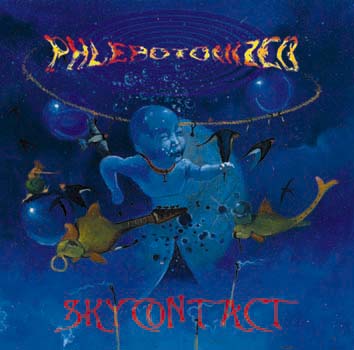 Skycontact, Phlebotomized (1997, Netherlands) Phlebotomized were a short-lived band during the Netherlands’ brief flowering of great death metal talent in the 1990s. They recorded a pair of EPs and a pair of albums. Skycontact was their second and last album. Their CDs now go for silly money on eBay. Skycontact is elegiac, mournful, and yet quite beautiful at times. There’s even a violin in it. ‘A Cry in July’ is an especially stand-out track.
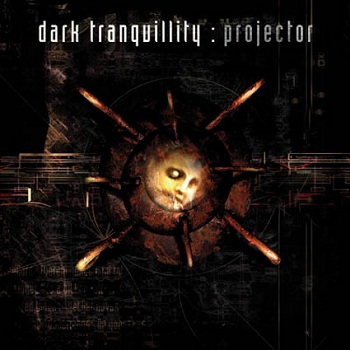 Projector, Dark Tranquillity (1999, Sweden) This is the album that introduced me to Dark Tranquillity, and made me a fan of the group. It’s perhaps their most commercial album, and certainly it shows the breadth of their music – from the crunching riffs of the opening track ‘FreeCard’ to the synth-heavy ‘Day to End’ to the near-ballad ‘Auctioned’. Despite the somewhat mordant tone to the lyrics, Projector is an album that never fails to put me in a good mood. To date, I’ve seen Dark Tranquillity perform live four times, and it’s about bloody time they toured the UK again.
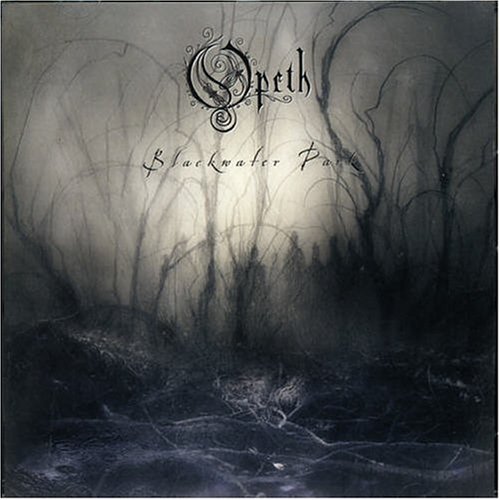 Blackwater Park, Opeth (2001, Sweden) This may well be the high-water mark for Opeth. It’s the first album by them I bought and I still consider it their best. The preceding album, Still Life, is excellent, but its songs don’t quite gel in the way Blackwater Park‘s do. This album has the perfect mix of Opeth’s trademark complex heaviness and acoustic interludes. The title track alone is a work of genius. I’ve seen Opeth live four times to date, and will be seeing them again later this year. They usually put on a damn good show.
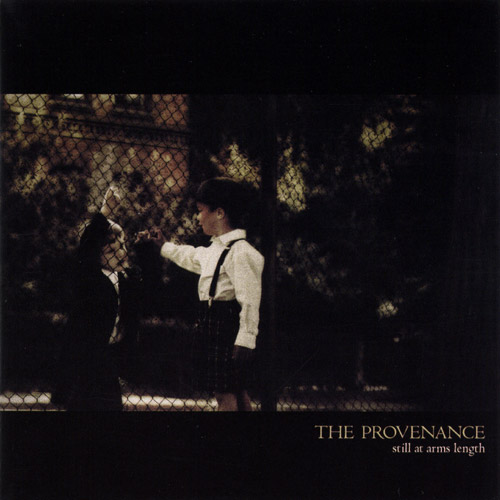 Still At Arms Length, The Provenance (2002, Sweden) The Provenance disbanded in 2006 after four albums. Still At Arms Length was their second. It’s a hard-to-describe mix of death, gothic, doom and progressive metal. With a flute. Like some other Scandinavian metal bands, vocals were shared between male and female, with the male vocals often sung as growls. But there’s something about The Provenance’s songs which lift them above others of their ilk. They were more experimental – in their sound and their song structures – than their peers. And like all the best death metal bands, they could play a mean and heavy riff. I regret never getting to see them perform live.
 Worlds Beyond the Veil, Mithras (2003, UK) I forget where I first heard Mithras, but I remember being immediately captivated by the combination of spacey ambient synth and furiously insane guitar and drumming. They’re probably the most science-fictional death metal I’ve ever heard – or rather, there’s something about their music which speaks to me of the best of science fiction. Which is probably why I used the lyrics to this album in a short story – originally published in Jupiter magazine, but also posted on my blog here. I’ve seen Mithras live twice – the first time at the Day of Unrest mini-festival in 2008 at the Purple Turtle in Camden; and I remember being exhausted after their set just from listening to the music. They have a new album due out later this year, On Strange Loops; and I’m very much looking forward to it.
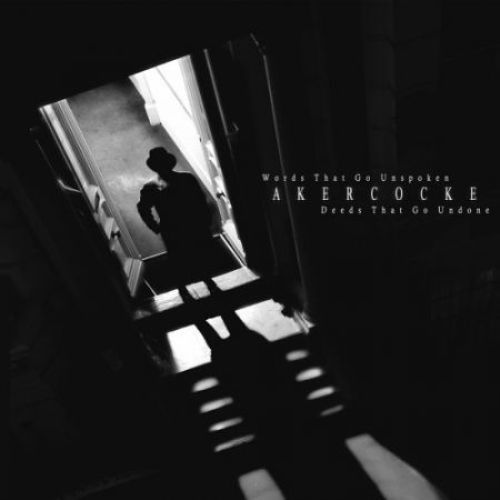 Words That Go Unspoken, Deeds That Go Undone, Akercocke (2005, UK) I first came across Akercocke in 2005, when they supported Opeth at the Forum in London. I vaguely recall being impressed by the sheer noise they made, and the fact that they all wore suit and tie on stage. (They were sometimes called “Satan’s bankers” because of their stage attire.) However, it wasn’t until I saw them perform in the small room at the Corporation, supporting their Antichrist album, that I became a fan. I saw them once more before they split up. Words That Go Unspoken, Deeds That Go Undone is my favourite of their albums (and has a great title, too), with its abrupt changes from furious blackened death metal to slow and mournful acoustic parts. The opener ‘Verdelet’ is probably my favourite Akercocke track, too.
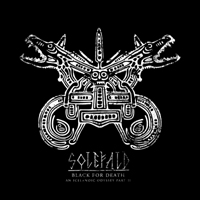 Red for Fire + Black for Death, Solefald (2005/2006, Norway) This one is a bit of a cheat as it was released as two albums, though the band wrote it as a single project. It is based on an Icelandic edda about Bragi, a court poet who dallies with the queen but is forced to flee when it is discovered. The album is a mix of post-black metal, Icelandic poetry, and even some jazz fusion. It’s the sheer variety that appeals as much as the individual songs.
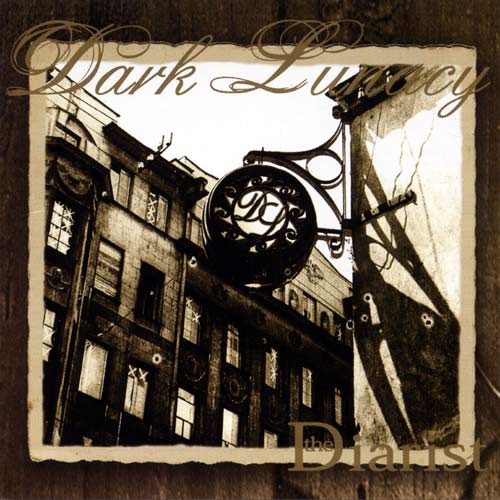 The Diarist, Dark Lunacy (2006, Italy) Metal is well-suited to concept albums, and this is true of death metal as much as any other branch of the genre. The diarist of the title is a woman trapped in Stalingrad during the siege by the Nazis. The tracks successfully evoke the time and place, though without losing sight of its musical genre. There’s an epic quality to Dark Lunacy’s music which I think this album showcases especially well. I have never seen the band live but I would very much like to.
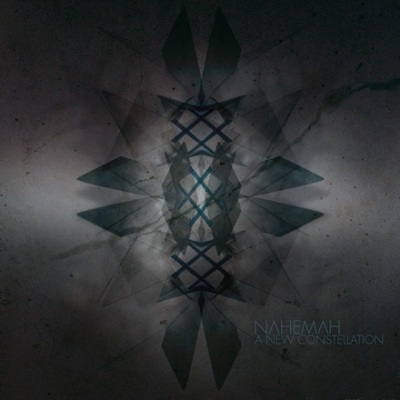 A New Constellation, NahemaH (2009, Spain) I was tricked into buying a NahemaH album. The label had put a sticker on the cover of the band’s second album, The Second Philosophy, which likened it to Opeth. Thinking that might appeal, I bought it. And listened to it. And discovered it was nothing like Opeth. But I hung onto the CD because I suspected it might be a grower. And so it proved. Within a few months I was listening to it constantly. And everything that was good, and that appealed to me, about The Second Philosophy is just more so in A New Constellation. It’s a death metal / prog metal wall of sound, accomplished and complex. I really want to see NahemaH live.
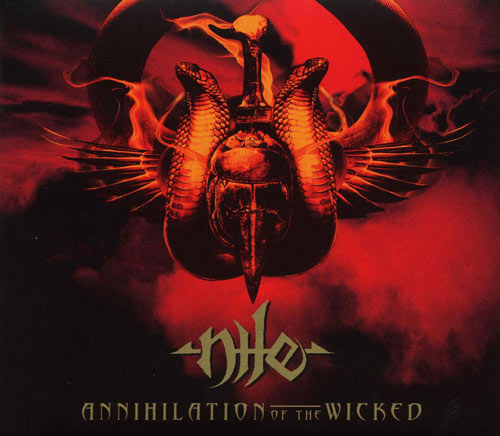 Annihilation of the Wicked, Nile (2005, US) I wanted Nile to be in this list of ten, but I couldn’t think which album to pick. In the end, I plumped for this one because it best displays their fusion of Ancient Egyptian themes and relentless US death metal. It’s like exploring the pyramids while suffering from a heart attack. The track ‘The Burning Pits of Duat’ allegedly features drumming at 320 bpm. Which is astonishing. Nile are a fixture on the death metal scene, and for good reason. I’ll get to see them for the first time at this year’s Bloodstock festival.
For my five honourable mentions, I picked:
Reflections of the I, Winds (2002, Norway) A mix of classical music and progressive metal by a side-project of four members of other metal bands.
Mabool, Orphaned Land (2004, Israel) Death metal, prog metal and Middle Eastern music in a concept album about the Flood.
Shin-Ken, Persefone (2009, Andorra) A polished mix of death metal and progressive metal from Andorra’s finest musical export. It’s a concept album too.
Leviathan, Mastodon (2004, US) Another mix of metal subgenres, and another concept album. There seems to be a pattern here…
Sowberry Hagan, Ultraphallus (2011, Belgium) It should sound like sheer noise, but it doesn’t. An astonishing musical balancing act.
There were so many other albums I wanted to pick, like As Night Conquers Day, Autumn Leaves (1999, Denmark), wihch is a favourite album, or something by Anathema (but I couldn’t think which of their albums was especially typical), or Themes, Silent Stream of Godless Elegy (2000, Czech Republic), which provides an excellent sample of their sound but does include a couple of duff tracks…
A tale of two cities
Well, that was a busy weekend. Two cities in two days, each in the opposite direction from home.
On Friday night, I was in Manchester, at the Academy to see Opeth perform live. The support act were Pain of Salvation. While I like bits of Pain of Salvation’s two Road Salt albums, I’m not really a fan of their music. Live, they put on a good show, but they struck me as bit posey and frontman Daniel Gildenlöw seemed to think he was Lenny Kravitz.
Rumour had it the Opeth set would be taken entirely from the new album, Heritage. Which is entirely progressive rock. Given that I still think that Blackwater Park is the band’s best album, and that Heritage is an album that is only slowly growing on me, I wasn’t entirely sure what to expect, even though this was the fourth time I’d seen them perform. And the set did indeed open with some tracks from Heritage. But then Mikael Åkerfeldt started bantering with the crowd – that night it was a lightly sarcastic paean to Kiss – and I knew that despite the new “direction” Opeth hadn’t really changed. The band then performed some older songs, although the entire set featured only clean vocals. In the case of ‘A Fair Judgment’ from Deliverance (a favourite track of mine), this wasn’t an issue as the album version features clean vocals. But ‘The Face of Melinda’ from Still Life is certainly different when it has all the growl vocals taken out. Still, Opeth are superlative musicians, and I suspect I’ll find myself liking Heritage a bit more after being reminded live just how good they really are.
The gig was my first in Academy 1. Last year, I’d seen Ghost Brigade, Orphaned Land and Amorphis in Academy 3, which is the smallest of the four venues. Academy 1 is like a small aircraft hangar. We were up near the front for Pain of Salvation’s set, and that wasn’t a problem – you could still get out to visit the bar or the toilets. But about five songs into Opeth’s set I felt the call of nature, and it was a real battle to get out of the crowd in front of the stage. And once I was done, there was no way I was going to be able to get back to where I’d been standing. That was annoying. (Also, I was wearing my Mithras Forever Advancing Legions T-shirt that night, and someone said, “Nice T-shirt” to me.)
So, Manchester meant getting home after midnight. And the next morning I was up and off to Nottingham for Novacon. I’d checked train times, both there and back – I was intending to only spend the Saturday at the convention, but I did take toiletries and a change of clothes in case I decided to stay the night. The last train home was at 23:15 but it didn’t get in until… 10:16 the next morning. Essentially, it dumped you in Derby, and you then had to wait for the first train the next morning. That’s not a viable journey, and you’d think railway timetable websites would recognise that. However, there were some direct trains between 20:00 and 21:30, so I had until then to make a decision.
I arrived in Nottingham at 11:00. Back in the late 1980s, I lived in Mansfield, my home town, and spent many weekend nights pubbing and clubbing in Nottingham. I’ve only been back a handful of times, but even so I know the geography of the city pretty well. I noticed a few changes in the city centre, but Mansfield Road, which is where Novacon’s hotel was sited, looked exactly as I remembered.
I bought a day membership on arrving at the hotel, and then headed straight into the bar. The first familiar face I spotted was Chris Amies, who I’d not seen for many years. After a chat, I left my bags with him and hit the dealers’ room. The usual suspects were all present: Porcupine Books, Cold Tonnage, Replay Books, Murky Depths, NewCon Press… I was at the Porcupine Books stall, when I spotted a couple of Women’s Press sf titles I didn’t own, and reached out for them. The stranger standing next to me turned to me and said, “You must be Ian Sales.” Which was a pretty good trick: my day membership badge didn’t have my name on it. The stranger proved to be Colum Paget, who has a story in Rocket Science. After a few more chats with various people, I returned to the bar… Which is where, as usual, I spent much of the con.
I had conversations with Al Reynolds, Ian Whates, Terry Martin, Kim and Del Lakin-Smith, Caroline Mullan, Fran and John Dowd, John Meaney, Leigh Kennedy, Janet Edwards… There was quite an intense discussion on utopias with Charles Stross, Justina Robson, Kev McVeigh and myself. I also remember a long talk about Uriah Heep (the band, not the Dickens character) with Swedish fan Bellis. The only programme items I attended were a 15 to 1 quiz and the second book auction (but I didn’t bid on anything). By about six o’clock, it was clear I’d be better off staying the night, so I checked into the hotel. I was quite impressed with the room – it was small but very modern. The shower – there was no bath – had a huge showerhead set flat again the ceiling, which was quite odd.
I was up at my usual time the next day, wolfed down breakfast, and then just hung around – in and out of the dealers’ room – throughout the morning. I was planning to leave later in the day, but was offered a lift home by Kev leaving at noon-ish, so I decided to accept it.
So that was the weekend. I caught up with a band I’ve liked for many years and caught up with some friends I don’t get to see very often. I didn’t feel up to much when I got home on the Sunday, so I’m now horribly behind on nanowrimo. But never mind. I bought almost a dozen books at Novacon, but I’ll put up photos of them in a separate post.
Metal weekend
After missing the last two Bloodstock Open Air music festivals, we were determined to make it this year, and planned accordingly. Although ostensibly running from Friday 12 August to Sunday 14 August, the campsite opened the day before – as did one of the bars and one of the stages – so we decided to arrive on the Thursday. We booked days off work, I purchased a tent – the saga of its failure to be delivered kept the Internet enthralled in the week before Bloodstock – and after a marathon shop at Asda on the morning of the festival, we set off down the M1 to Catton Hall in Derbyshire…
The drive took less time than expected, but there was a fair trek from the designated parking area to the campsite. My two-man pop-up tent operated as advertised, so I was sitting down and enjoying a beer while Craig, Emma, Rowan and Roger were still busy erecting their tents. Once we were all done, we headed for the arena. Which was much bigger than it had been on our previous attendances in 2008 and 2007. There were now three stages – the main stage, the Ronnie James Dio Stage; the Sophie Lancaster Stage for lesser-known bands; and the New Blood Stage for unsigned acts. Each had bars. There were double the number of stalls and food outlets, and several fairground rides. Bloodstock claimed to have sold 10,000 tickets, which made the festival larger than previous years, but we saw little evidence of this until the Sunday (on which more later).
The Thursday night was more in the nature of an exploratory trip round the arena. We caught Revoker in action, though we had seen them a month earlier supporting Sylosis and Cavalera Conspiracy. Then it was back to the tent to drink the beer we’d brought with us – beer in the arena was £3.80 a pint; not especially expensive, though it was only Carlsberg or Hobgoblin, but not as cheap as the tins we’d bought in Asda.
Friday was the start of the festival proper, and we’d already picked those bands we wanted to see. To be honest, there weren’t a large number of bands playing Bloodstock 2011 that I was really keen to see. Morbid Angel, certainly; and Wintersun. But part of the appeal of the festival is discovering bands new to you. By which lights, Bloodstock 2011 started very well indeed: unsigned band Shreddertron proved not to live up to their name at all, but instead played some excellent post-metal.
In fact, the weekend seem to consist of being impressed by bands about which we knew nothing, but disappointed by those we had high hopes for. Byfrost, a Norwegian black metal trio, proved really good, but the Devin Townsend Project was more entertaining for the banter and jokes than the music. October File impressed – and I had another one of those moments when I discovered I knew the song they were playing but had no idea why. I must have heard it on a magazine cover CD (see, they do work).
On the Saturday, I listened to the first Finntroll song but left the others to it and went to watch French metallers Blake on the Sophie Lancaster Stage instead. The tent was deserted, I stood right up at front, and the band played a really good set. Back on the Ronnie James Dio Stage, Ihsahn was disappointing, but Wintersun weren’t. Therion proved as entertaining live as they are on their albums.
Throughout the weekend, several of the unsigned bands performed short acoustic sets to a smaller crowd on the “Jägermeister Stage” – basically a tent attached to the Jägermeister promotional truck. And that’s where Northern Oak performed a storming set, and even got the crowd dancing a jig during their last song. Back at the campsite that night, we continued drinking, and I went off and introduced myself to the people in the tents set up in the area near ours. We were kept awake by people talking – again – into the small hours, and by loud noises apparently generated by a bunch of people “bin jousting”.
We’d bought plenty of beer with us, but weren’t actually drinking that much. Unlike previous years, we were far more focused on the music. Bloodstock is a three-day party, of course; but we were being unaccountably sensible. Well, we weren’t eating as properly we should have done – despite the variety on offer – but we weren’t doing bad.
Musically, Sunday was less successful than Saturday. Primordial, on the main stage, started well, but then the vocalist lost his voice halfway through the set, so they finished it as entirely instrumental. Northern Oak managed to better their acoustic set with an electric one on the New Blood Stage – the tent was packed and they sold out all their merchandising within half an hour afterwards. But then Sunday was a much busier day than the previous day. We suspected this was because Motorhead were headlining that night. It seemed likely that the advertised 10,000 tickets sold had been mostly day tickets, rather than camping tickets. Even so, the arena never seemed stupidly over-full.
We caught Morbid Angel and, yes, they did play some tracks from their “controversial” new album Illud Divinum Insanus. But the set felt like it went on too long. Motorhead weren’t especially impressive either: Lemmy just stood there and sang – I later heard someone describe him as an animatronic – and the drummer played like Animal from the Muppets… But I’ve never been a fan of the band, and I saw and heard nothing to make me change my mind.
Sunday was planned to be a quiet night as we were heading home the next day. It was not to be, however, as a crowd of seventy or eighty descended on our section of the campsite and milled about for a while as if looking for a riot. Nothing actually happened, and security were on hand to prevent anything had it done so.
After an even colder night, we were up early, struck tents – mine proved less easy to pack than it had been to put up – hauled everything to the car park, and left. I was home by half past eleven. I’d not had a shower for four days. I’d had more beer than food during those days – although not to excess. I’d not had much sleep. But I’d seen a lot of bands perform and had been really impressed by some of them. Oh, and I bought a Nile hoodie. It was also good to catch up with Leon of Mithras and Zero Tolerance, who was there for the Sunday afternoon.
Of course, I have to mention the toilets. It wouldn’t be a music festival without chemical toilets. In fact, they’re the reason why you tend to eat less food – to minimise visits to them, you see. Yes, they got pretty bad on the Sunday night in the campsite. But the ones in the arena were kept clean throughout the entire weekend. At previous Bloodstocks it had always been better to return to the campsite to use the toilets, but this time I carried a roll of toilet paper with me into the arena.
But it’s the music, of course, that’s the reason you go. Band of the weekend, without a doubt, were Northern Oak, who played two brilliant sets. Top three sets were Shreddertron, Byfrost and Blake, none of whom I’d heard before but definitely want to hear again. On the strength of the one song Wintersun played from their much-delayed second album, I’m looking forward to its eventual appearance even more. I’m also looking forward to next year’s Bloodstock, no matter who’s on the bill.
The Best of the Half-Year
We’re halfway through the year, and it’s time to pick out the top five books, films and albums consumed over the previous six months. Not eaten, obviously – but read, watched and listened to, for the first time.
Books
Last year, three out of the five books I picked at the halfway-mark made it through to the end of year top five. It’ll be interesting to see if that happens again this year.
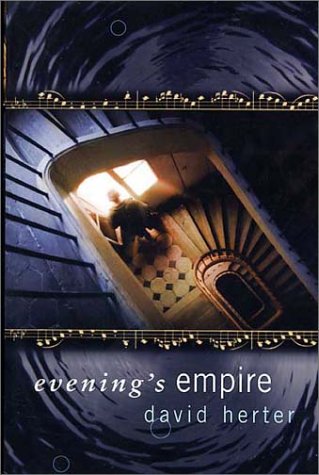 Evening’s Empire, David Herter (2002). I read Herter’s debut, Ceres Storm, shortly after it was published and thought it very good. So as soon as his second book, Evening’s Empire, appeared on Amazon, I bought it. But, unlike his debut, it was fantasy, not sf, and so it sat on my book-shelves for close on a decade until I finally got around to reading it this year. I’ve no idea why it took me so long, but I’m deeply sorry I didn’t read it earlier. Because I loved it. Evening’s Empire starts out as a Crowley-esque fantasy set in a US north-west coastal town, but around halfway through it takes an odd left-hand turn and becomes something quite different. As a side-effect of reading Evening’s Empire, I dug out my copy of Verne’s Twenty Thousand Leagues Under the Sea and read it – the main character in Herter’s novel is writing an opera based on Verne’s book – but my edition is from 1966 and I’m told it’s an inferior translation, which probably explains why I didn’t enjoy it very much.
China Mountain Zhang, Maureen F McHugh (1992), was May’s book for my reading challenge and, while I enjoyed January’s book, Rosemary Kirstein’s The Steerswoman, more, I think this is the better of the two books. I wrote about it here.
CCCP: Cosmic Communist Constructions Photographed, Frédéric Cha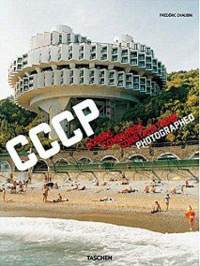 ubin (2011), may boast a somewhat forced title, but don’t let that put you off. Over a period of some ten or so years, Chaubin photographed modernist buildings throughout the USSR and East Europe, buildings he describes as part of a fourth age of Soviet architecture. The results are strange and quite beautiful.
Voices from the Moon, Andrew Chaikin (2009), may have been yet another book celebrating the fortieth anniversary of the Apollo 11 Moon landings, but it’s better than most of those published that year. I wrote about it on my Space Books blog here.
And that’s it. But there are a lot of honourable mentions – books which didn’t quite make the cut into the top five four: Blood Meridian, Cormac McCarthy (1985), though it contained some beautiful prose, was a bit too bleak, and its cast too monstrous, to make the list; Time of Hope, CP Snow (1949), the first book by internal chronology of Snow’s Strangers and Brothers series was an excellent well-observed read; The Best of Kim Stanley Robinson (2010), was a good showcase though I’d not have described every story as “best”, and Icehenge (1984), Kim Stanley Robinson, would have made the top five but for the fact it was a reread; Stretto, L Timmel Duchamp (2008), brought the Marq’ssan Cycle to an excellent end, and I really must finish that piece on the series I have planned; American Adulterer, Jed Mercurio (2009), maintains Mercurio’s status as a writer I watch, though the subject matter was not as appealing as his Ascent; God’s War, Kameron Hurley (2011), is a very strong debut, with a strong female protagonist and some excellent world-building, but its bleakness just stops it from making the list (I’ll be buying the sequel, though); and The Steerswoman, Rosemary Kirstein (1989), was a book I thoroughly enjoyed, and I plan to read the entire series.
Films
Pretty much all the films I watch are on DVD – either rentals, sent for review by Videovista, borrowed, or my own purchases. Most of them have been merely okay, and those that stood out did so by quite a margin. A bit of a cheat this time, as I’m going to include an entire season of a television series.
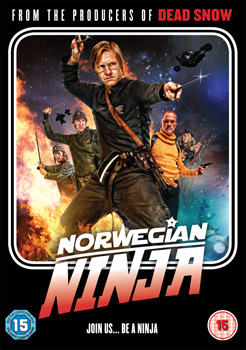 Norwegian Ninja, Thomas Cappelan Malling (2010), is, well, is hard to describe. It’s a spoof 1980s action film based on an alternate take on the real life of Norwegian spy and traitor Arne Trehold. I loved it. I reviewed it for VideoVista here.
Ajami, dir. Scandar Copti and Yaron Shani (2009), is an Iraeli thriller, and a bloody excellent one too. I reviewed it for VideoVista here.
Much Ado About Nothing, dir. Stuart Burge (1984), was one of the BBC adaptations of Shakespeare’s plays which I’ve been renting and watching. It’s been an interesting exercise, though so far the tragedies have proven superior to the comedies. Except for this one. I don’t know why it worked so well. Cherie Lunghi and Robert Lindsay were good in their roles as Beatrice and Benedick, but that’s hardly unexpected. It just seemed in this play Shakespeare’s wit really sparkled, his characters were appealing, and even Michael Elphick’s strangely sweaty Dogberry with his ponderous malapropisms couldn’t spoil things. The best of the Bard’s so far.
Fringe season 2 (2009). Fringe may just be a 21st century X-Files, but since I was a fan of the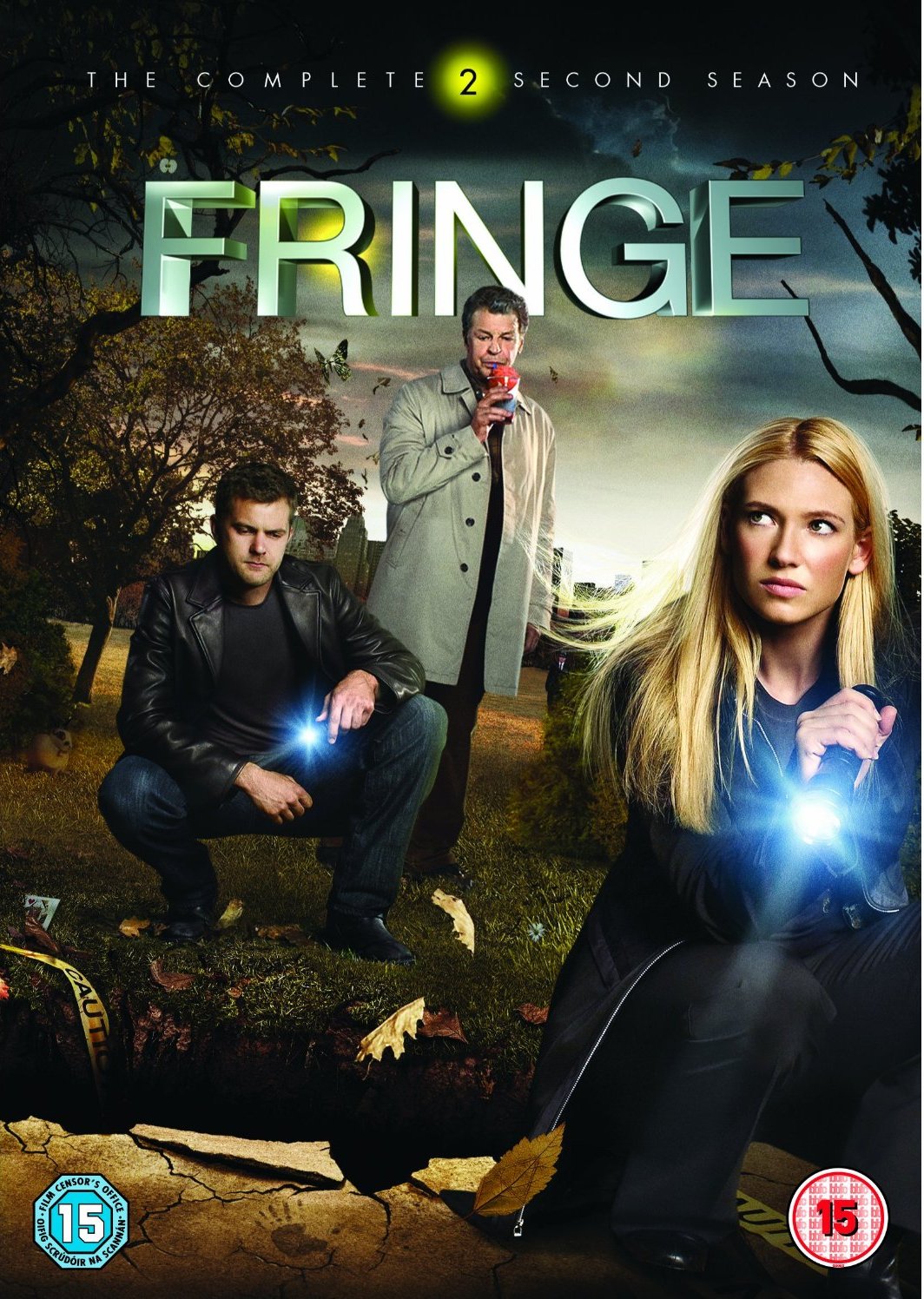 X-Files… Except that’s unfair on Fringe which, though it shares some similarities with the X-Files, is also very good television in its own right. I like the series mythology with its war with an alternate universe, and I like the weird science that Walter seems to have spent most of his life researching – and which he has now forgotten. Some episodes were better than others, but overall the quality was high. And the move in this season more toward the mythology made for some good and interesting drama.
Honourable mentions? Tales Of The Four Seasons, Éric Rohmer (1990 – 1998), of which I liked A Summer’s Tale a great deal; The Secret In Their Eyes, Juan José Campanella (2009), was an extremely well-plotted thriller from Argentina; Water Drops On Burning Rocks, François Ozon (2000), is Ozon’s film of a Rainer Werner Fassbinder script and is worth watching for the dancing scene alone; Summertime, David Lean (1955), is beautifully-shot and, for once, I didn’t find Katherine Hepburn annoying in a film.
Music
It has not been an especially good year for music so far. I’ve bought very few CDs, and seen only eleven bands perform live – although, admittedly, two of them were favourites: Anathema and Pallas. Mind you, there’s Bloodstock in a couple of months…
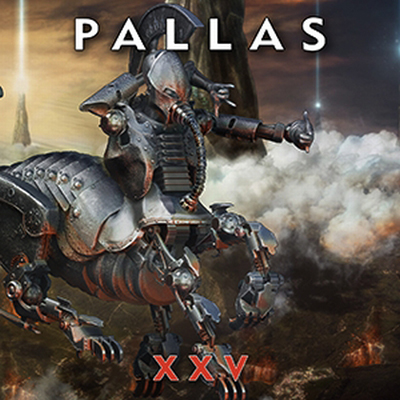 XXV, Pallas (2011), is the band’s sixth studio album, and the first with new vocalist Paul Mackie. I heard it live before I heard the CD, and a very good performance it was too. The band were celebrating twenty-five years together and it showed. XXV feels a little heavier than earlier albums, though it still contains much proggy goodness and even – dare I say it? – a little radio-friendliness in places.
The Human Connection, Chaos Divine (2011), is the second album by an Australian death metal / prog band, and it’s a little more prog than death than their debut. It’s also a much better album. Opening track ‘One Door’ is superb. Each of the songs lulls you into a false sense of security before hammering you with some excellent riffs. A fine piece of work.
Návaz, Silent Stream of Godless Elegy (2011). I’ve been a fan of SSOGE’s mix of doom metal and Moravian folk music since stumbling across some of their songs five or six years ago. Návaz is more folk-oriented than earlier albums, though there’s plenty of chugging guitars and doomy growls to satisfy. The vocal layering at the end of ‘Skryj Hlavu Do Dlaní’ (‘Hide Your Head In His Hands’, according to Google Translate) will make the hairs on the back of your neck stand up.
BBC Radio 1 Live in Concert, Lone Star (1994). Welsh 1970s heavy rockers Lone Star have been  a favourite band since I was at school. They only released two albums before splitting (a third was recorded, but an inferior copy of it was only released on CD in 2000). Between those two albums, the band swapped vocalists, from Kenny Driscoll to John Sloman, and BBC Radio 1 Live in Concert, recorded in 1976 and 1977, showcases some of their songs with each of the two singers. Strangely, the best tracks live are not the best ones on the studio albums – the version of ‘Lonely Soldier’ on BBC Radio 1 Live in Concert, for example, is absolutely superb and a classic piece of 1970s rock. Given that this album is only a sample of three radio sessions, I’d happily pay for a CD of all three sets.
Honourable mentions: In Live Concert at The Royal Albert Hall, Opeth (2010), a comprehensive live set recorded at the titular venue with the band’s usual expertise, and accompanied by Åkerfeld’s usual wit; Edge Of The Earth, Sylosis (2011), a good solid death metal concept album with some excellent riffs; Semper Fidelis, Sanctorum (2011), the third album by a young British death metal band – ambitious and mature; Communication Lost, Wolverine (2011), not as immediately likeable as previous albums but definitely a grower.
Let’s hope it pays off…
Crystalic is melodic death metal band from Tampere in Finland. I’ve liked their music since stumbling across one of their demos a few years ago. In 2007, they released an album, Watch Us Deteriorate
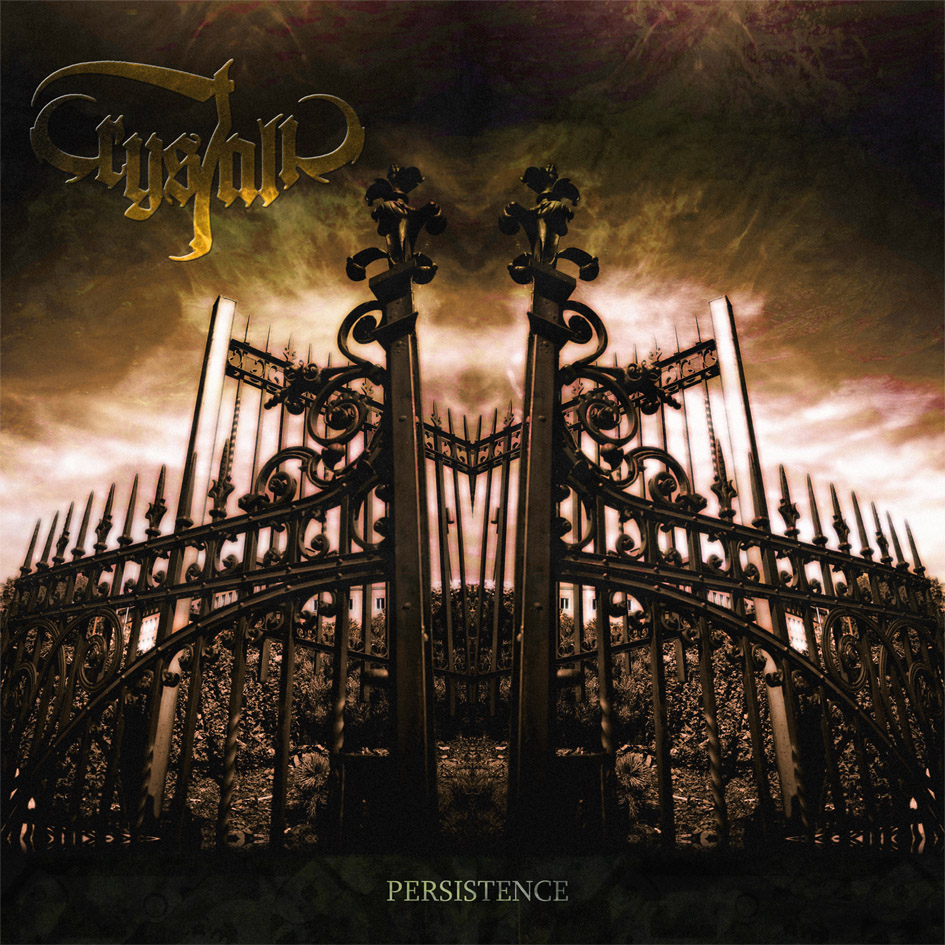
The band are also going to self-release the album as a limited edition CD, which you can pre-order here. I’ve put my order in already.
Best Sounds of 2010 (the first half)
I’ve done books and films for the first six months of 2010, so now it’s the turn of albums. I don’t seem to have bought that many albums so far this year, and most of those I have bought were remastered CD editions of ones I’ve had on vinyl for a long time. Having said that, a couple of new albums immediately jumped out as best of the year so far – and are likely to remain so for the rest of the year.
We Are The Void
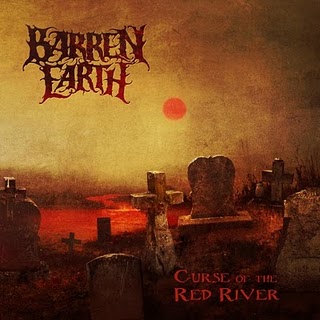 Curse of the Red River
The Never Ending Way of Orwarrior

 The Engines of Armageddon, The Engines of Armageddon (2009). These are a Nottingham-based band, and currently unsigned – the album is self-released. They describe their music as stoner-thrash-prog-doom-groove metal, and that’s as good a description as any. I’ve seen them live three times now, and they’ve been excellent on all three occasions. I bought the CD and T-shirt the first time I saw them live – any band which performs a song about RFID chips titled ‘Fuck the Chip’ definitely deserved £10 of my money. (Band web site)
Escaping the Abyss, Fornost Arnor (2009). This is also self-released (although the band formed their own label, Witch-King Records, for the release). It’s a mix of black, death and progressive metal, and works extremely well. I particularly like the acoustic bits, which are not your usual progressive black metal. (Band web site)
You’ll have to speak up a bit…
Last night, I saw one of my favourite bands perform live: Persefone. They’re from Andorra. Yes, Andorra. They’re currently touring Europe with Obituary. Persefone were excellent and, halfway through their set, they suddenly broke into the theme tune to Star Wars, including the Cantina Band tune. After their set, I went to buy a T-shirt from the merchandise stall. One of the guitarists from the band was behind the table, chatting to the person manning it. When I confessed I’d actually come to the gig to see them and not the headliners Obituary, he was so chuffed he gave me a hug.
It was clear, however, that most were there for Obituary. By the time they appeared on stage, there were about four or five times as many people as there had been for Persefone’s set. I’d never heard Obituary before. I knew they were an old Florida death metal band, dating back to the beginnings of the genre. And I like a few bands from that period – such as Death and Morbid Angel. Sadly, Obituary were nothing like those two. They also seemed to be only going through the motions. And they looked a bit like a shampoo advert…
Anyway, here’s a bit of Persefone to enjoy. It’s from their 2009 album, Shin-Ken
Astonishingly good music
Okay, so it feels like it’s pandering to stereotypes – or at least to public perceptions of the genre – but Dark Tranquillity‘s new video, released in advance of the March 1st release of their latest album, We Are The Void
 It Doesn't Have To Be Right...