It Doesn't Have To Be Right…

… it just has to sound plausible


3 Comments

The future we used to have, part 27

I’ve not done one of these for ages, so I thought it was about time for another one. More retro-future eye-candy for your delight and delectation…

air

Aeroflot_Tupolev_Tu-104B_at_Arlanda,_July_1972

Tupolev Tu-104 “Camel”

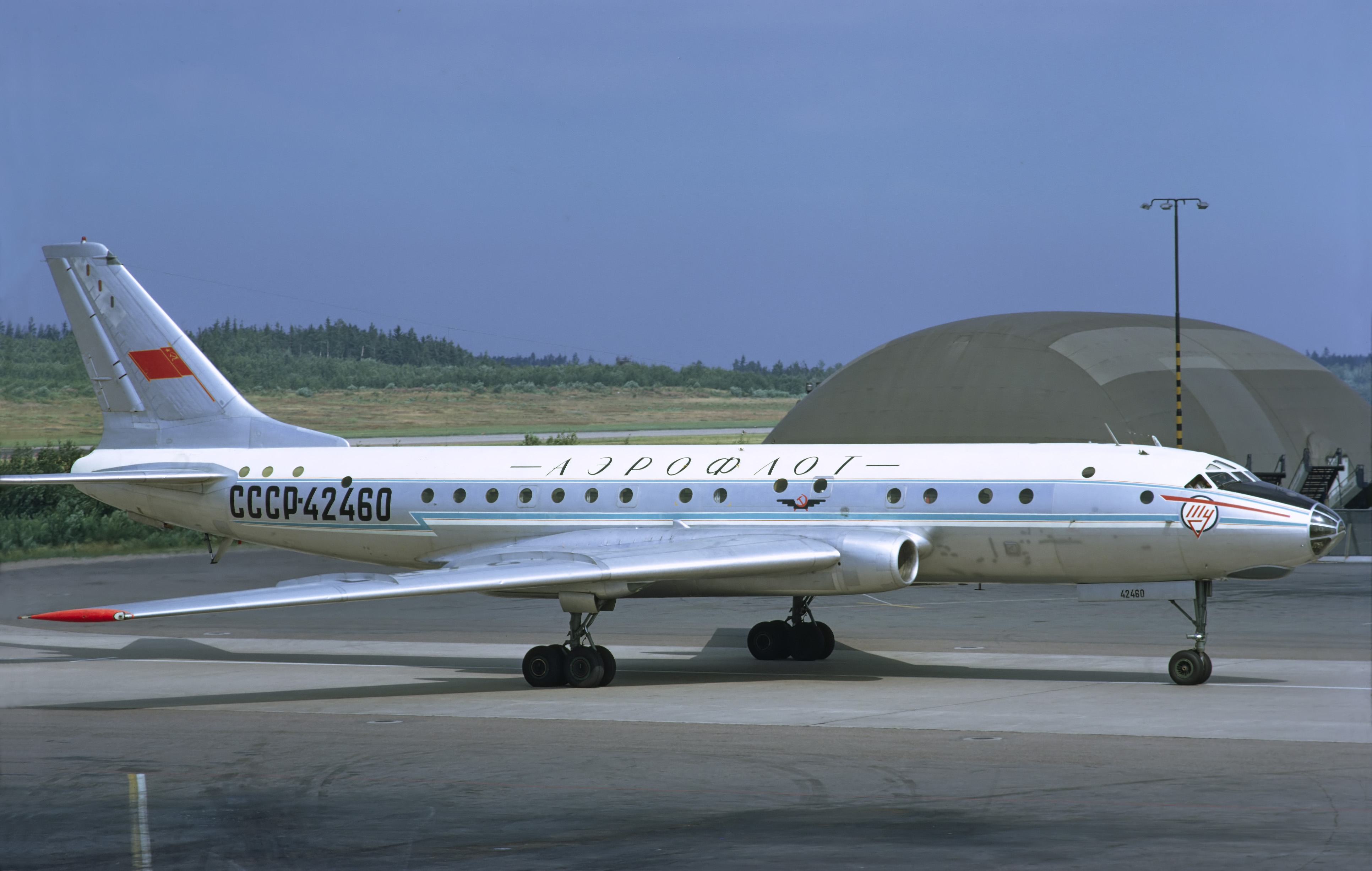
Tu-114

Tupolev Tu-114 Poccия “Cleat”

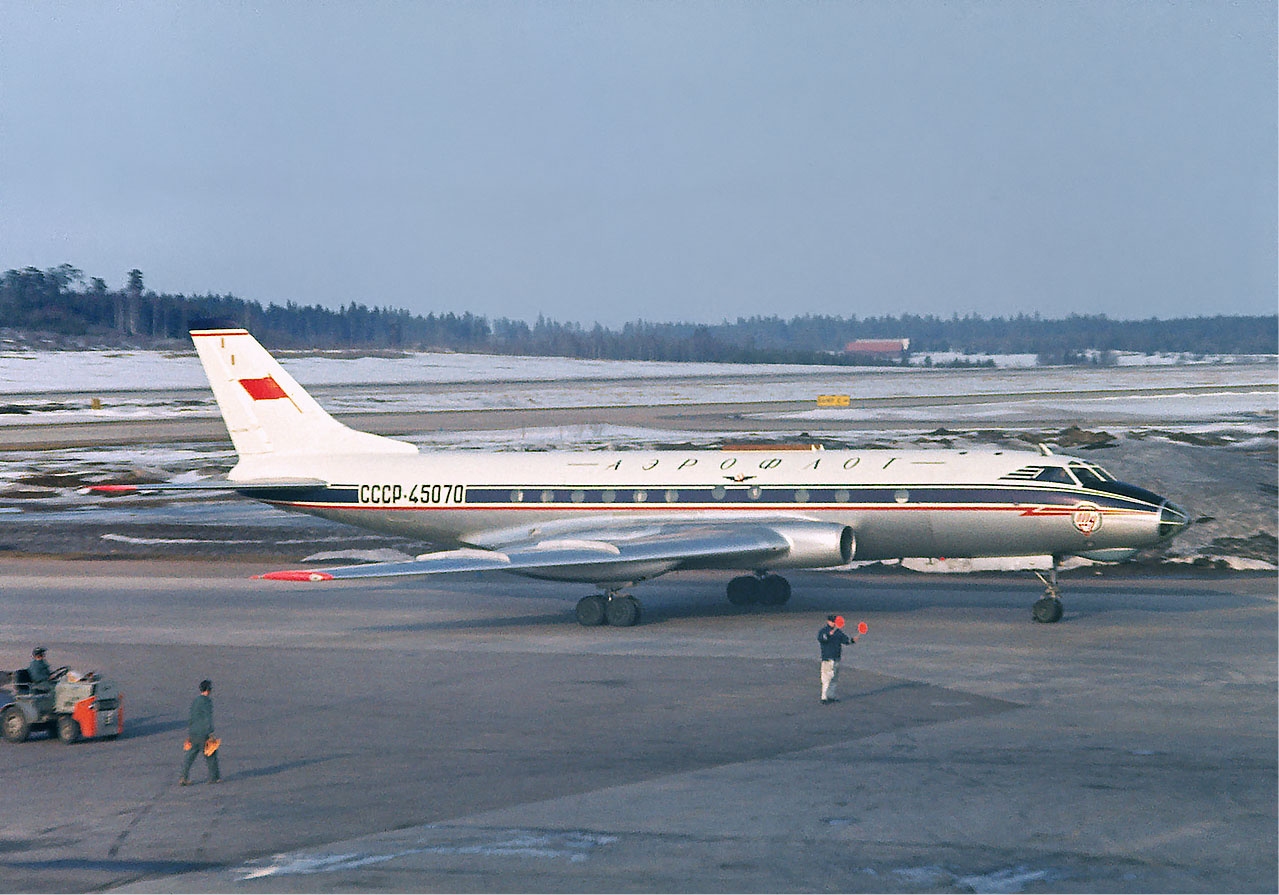
Aeroflot_Tupolev_Tu-124_at_Arlanda,_April_1966

Tupolev Tu-124 “Cookpot”

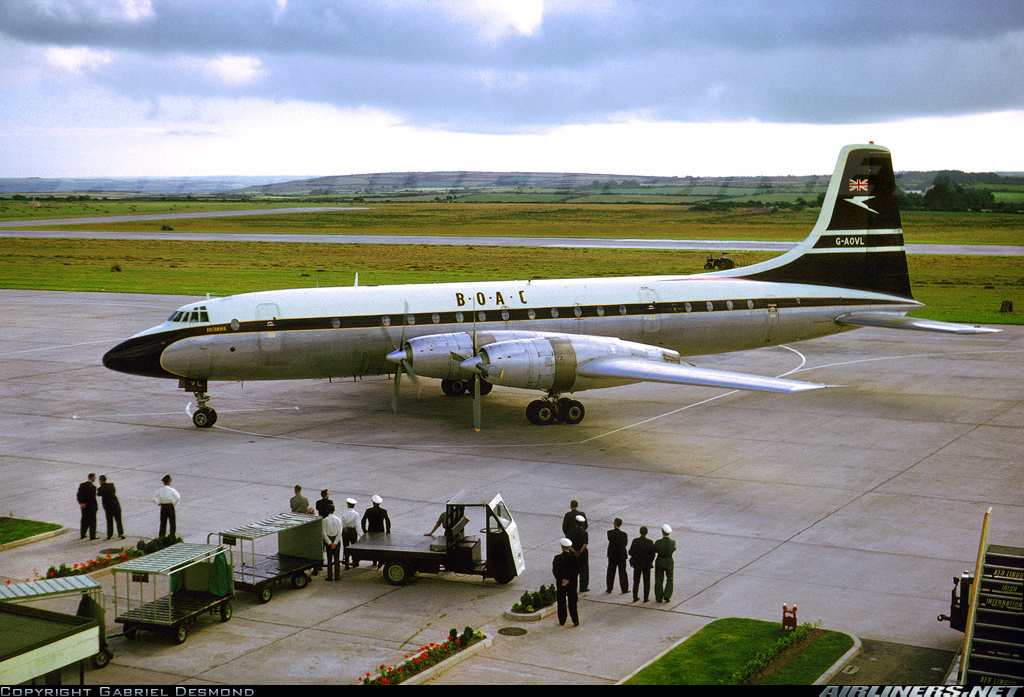
britannia

Bristol Britannia

sea

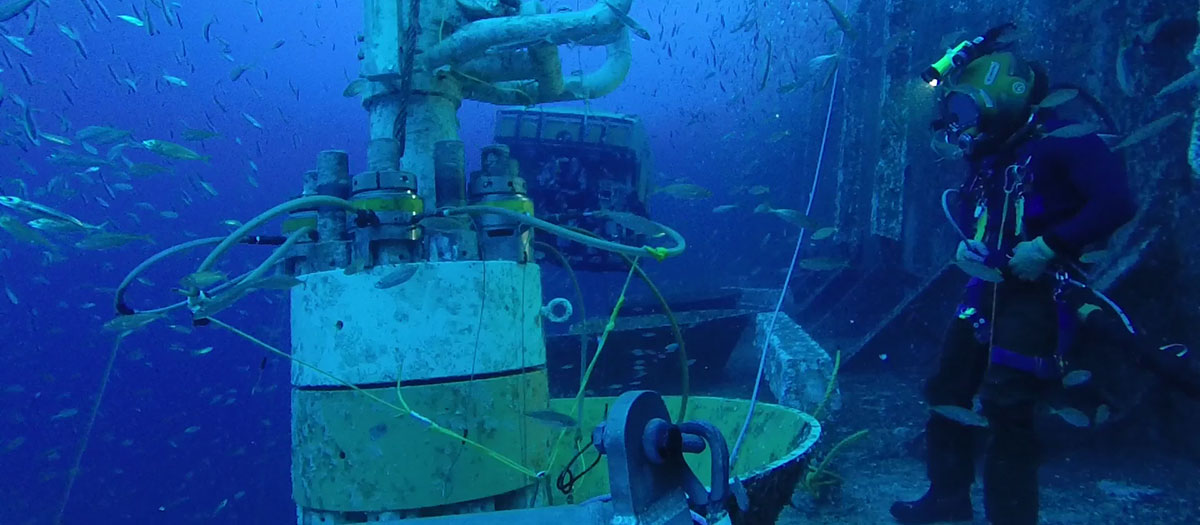
diving-1200x525-final

A saturation diver at work

ADS Working

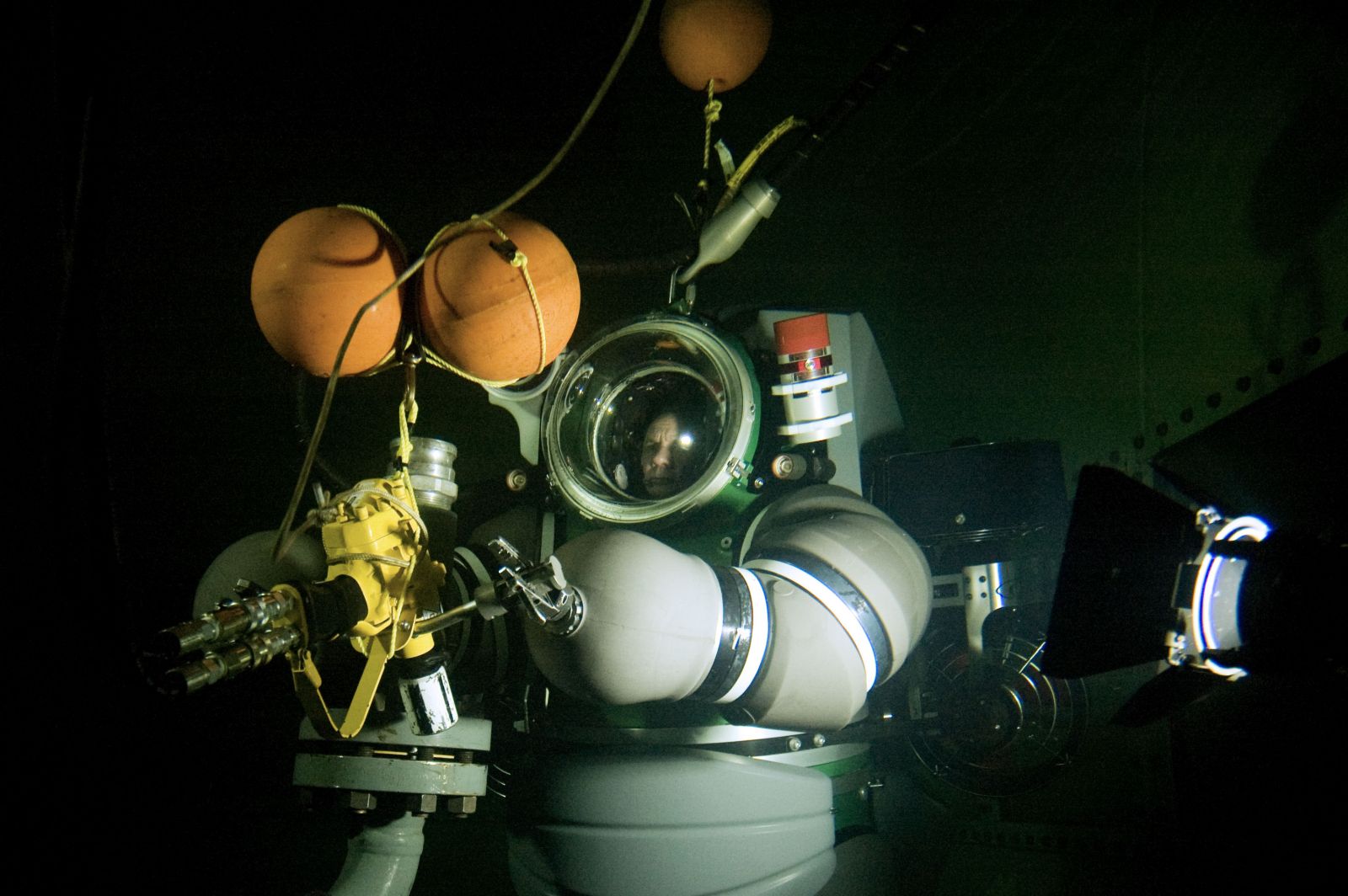
An Atmospheric Diving Suit at work

conshelf2

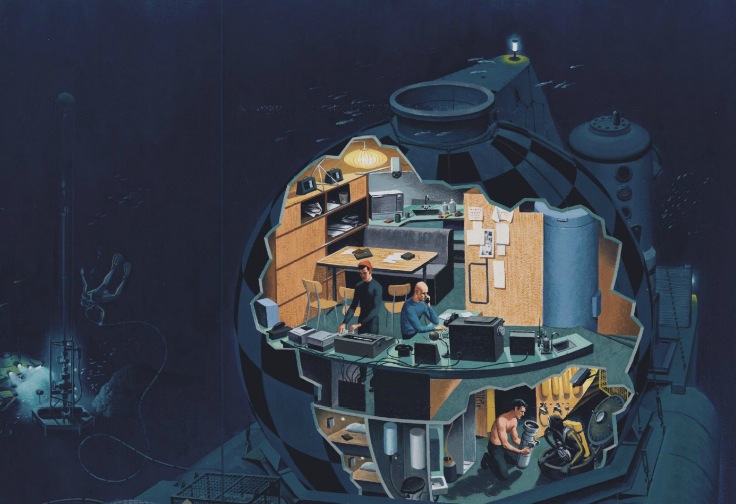
A cutaway of Jacques Cousteau’s Conshelf 2 underwater habitat

alvin

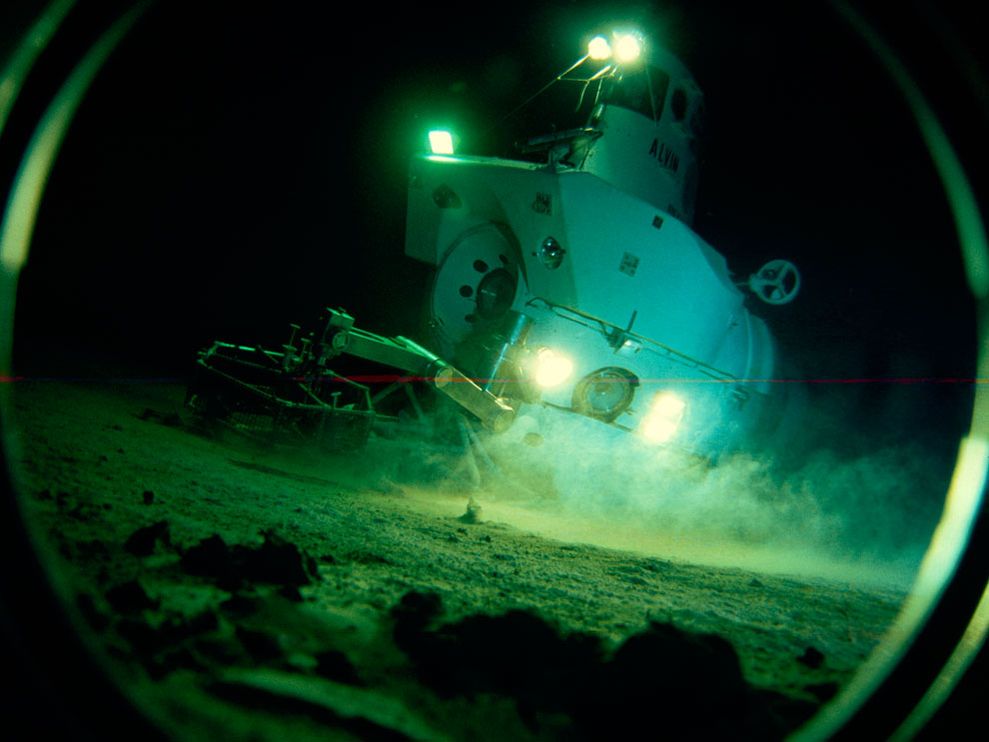
DSV-2 Alvin on the ocean floor

land

Ford-Gyron-1961

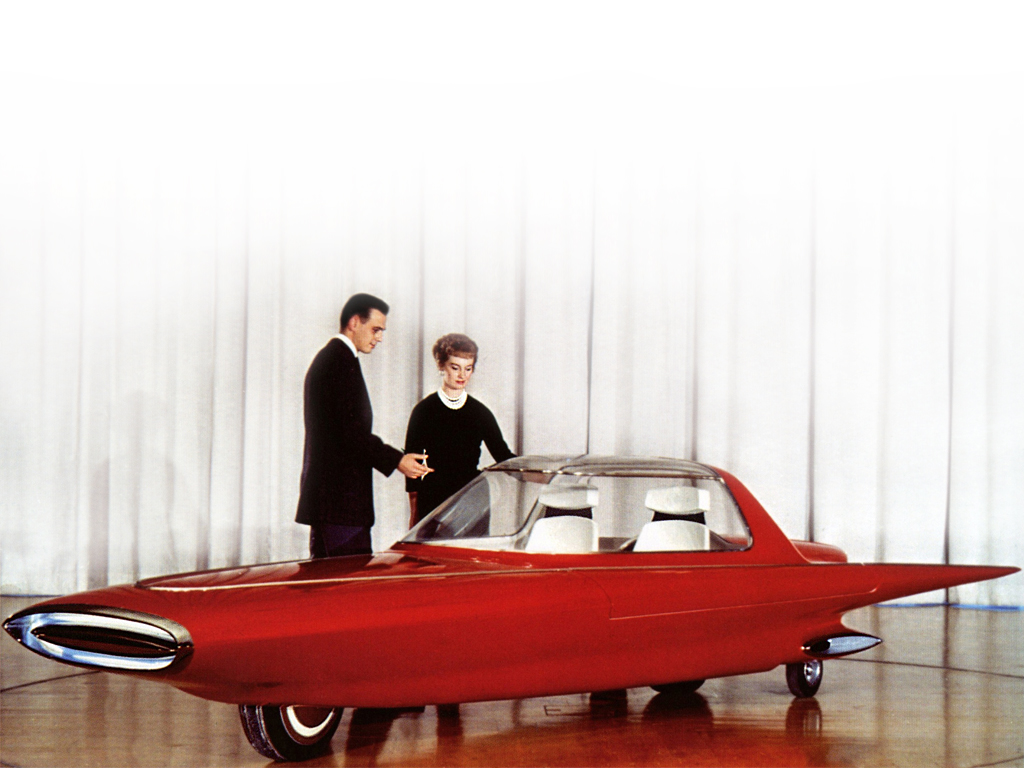
Ford Gyron concept car


holden-hurricane-left-side-view

Holden Hurricane concept car


maz7904

MAZ 7904 giant Soviet transporter truck


arktos_craft

Arktos Craft amphibious all-terrain transport


space

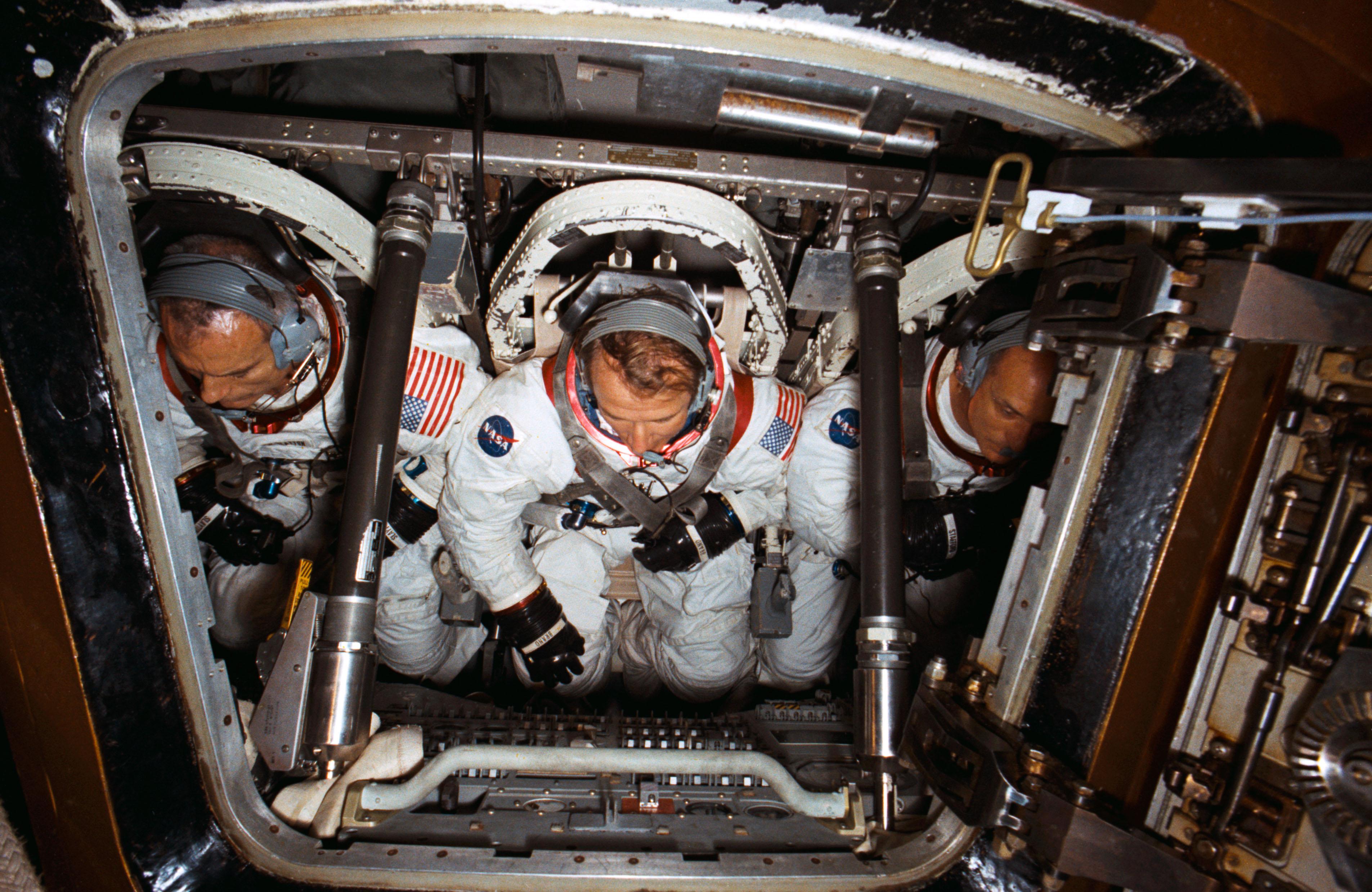
apollo588673main_S75-23430_full

Three Apollo astronauts in their CM (ASTP, I think)


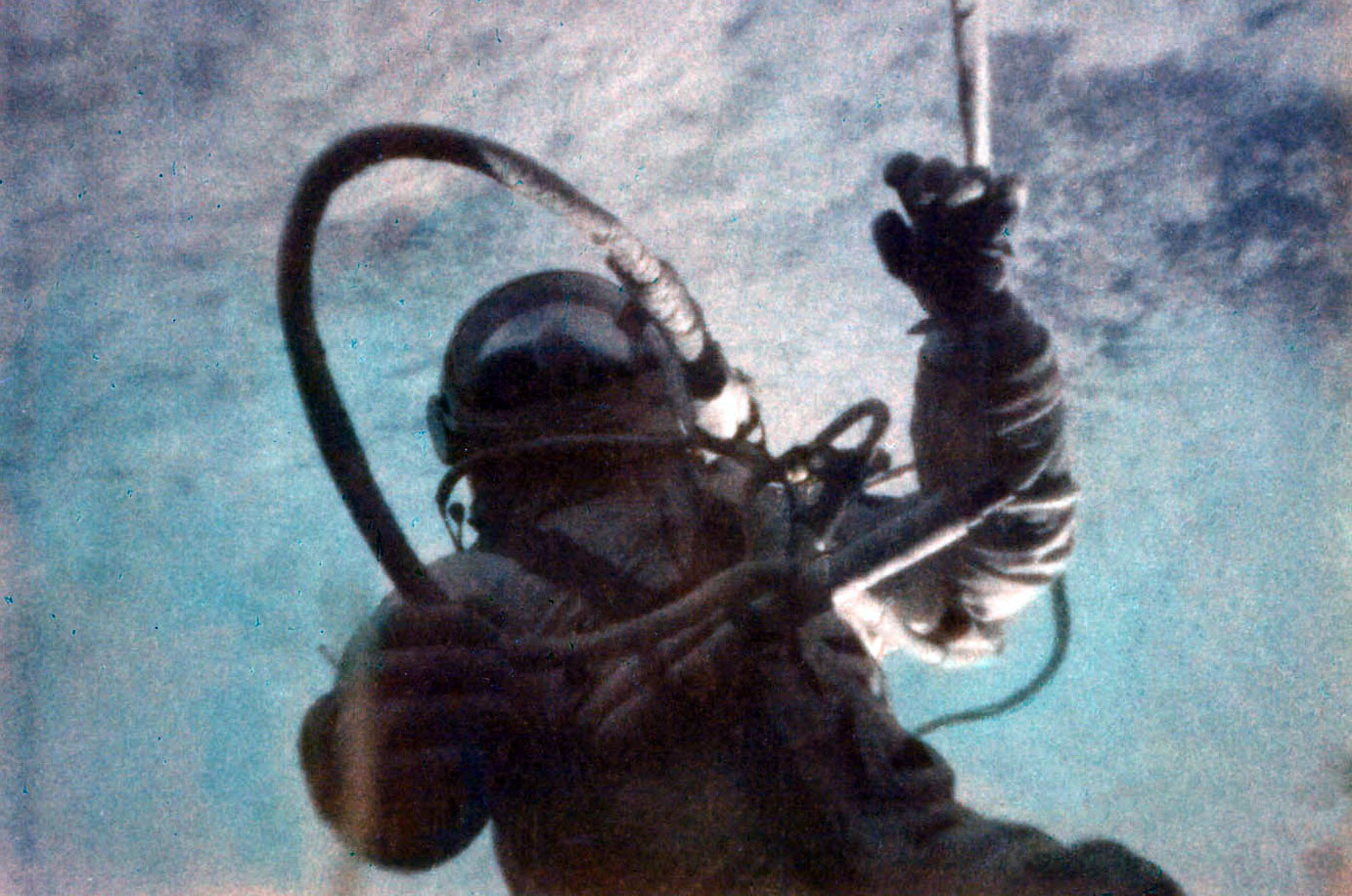
leonovnews-031815b-lg

Alexei Leonov on his space walk (Voskhod 2)


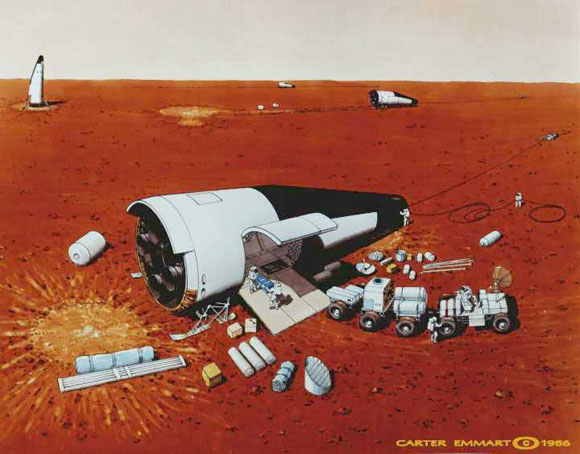
marsImage48

A 1984 Mars mission concept


past-dreams-of-mars-atmosphere_64757_600x450

A Mars lander concept


3 Comments

A prospect of space opera

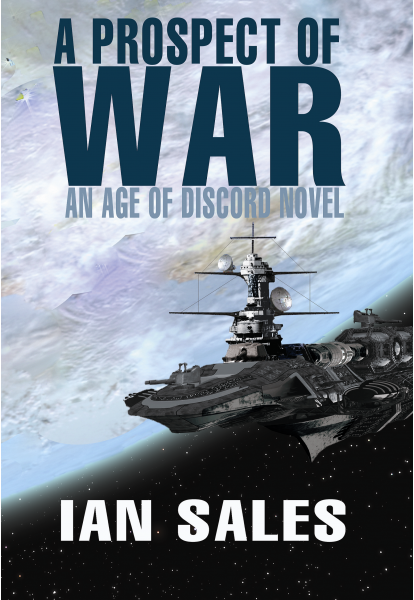
I might have mentioned once or twice I have a new space opera out, A Prospect of War. And since books apparently don’t market or sell themselves – big publishers have whole departments to do that, or so I’ve been told – I felt I’d better wibble on about it a bit. A Prospect of War will be officially launched as a signed limited hardback at Edge-Lit in Derby in July, but if you pre-order now you get a free ebook edition. Or you can buy the ebook straightaway, if you’d sooner have in that format. (ETA: The publisher has moved the book to Kindle: UK and US.)

apow

So, a space opera. That’s like with an empire. In space. With an, er, emperor. But A Prospect of War is not your typical space opera. Despite taking place in an empire that occupies some ten thousand worlds, it’s all a bit low tech. I was going for a sort of Edwardian aesthetic when I wrote it, steel plates and polished wood, but these days I suspect it’ll just be read as steampunk-ish. Which is not necessarily a bad thing.

The reason I designed such a universe was because I didn’t want it to feel dated, no matter when a person read it. I wanted it to be hermetic, with no references to anything recognisable in the real world, or that could have been extrapolated from “current” science or technology. So all the computers are mechanical, and even artificial lighting is generated using the piezoelectric effect. And then there are the five handwavey devices which have made this an interstellar empire – topologic drive (FTL), charger (anti-gravity), directed-energy cannon (big shooty plasma-beamy things), power toroid (cheap energy), and force-curtain (useful for making sure your air doesn’t escape in space). There’s a back-story explaining how a relatively low-tech planet-bound civilisation ended up with these, and one day I may write a novella about it.

Then there’s the narrative of A Prospect of War, which was partly modelled on that of an epic fantasy. Or at least, that was the original plan. There’d be a peasant hero, who’d find himself embroiled in an empire-wide plot bent on… hell, let’s go for the obvious one: a plot to take the throne from the emperor. Your basic consolatory fantasy story. Why not? Except… what makes the peasant hero the, er, hero? If he’s a nobody, what is it about him that results in him leading the fight to save the throne? There’s no magic in A Prospect of War – I mean, that would be like polluting space opera…

Okay, perhaps a suitably science-fictional “magic” power might be okay. Like prescience. It worked for Paul Atreides, after all. True, he was also the son of a powerful noble, but you know what I mean. However, I wanted something a bit more original, and I think I managed it. In fact, this later proved only one of many serendipitous choices I made while I was writing – you know, where you write something because it seems like a neat idea at the time, and then later on in the narrative you realise you’d inadvertently foreshadowed something really cool.

In most epic fantasies, the narrative follows the peasant hero, getting to know him (it’s pretty much always a “him”) first, then showing how he picks up the various members of his gang, which he subsequently uses to defend the noble emperor. Or something. I decided to mix this up a little – the peasant hero would be your typical ingenu but he’d also be pushed and pulled by a couple of conspiracies. Which meant introducing some additional points of view as quickly as possible. This may have been a mistake. The opening chapters of A Prospect of War bounce around among four main characters, rather than focusing on the peasant hero. This means the novel has a somewhat steep learning curve – a situation not helped by my decision to try and avoid big fat lumps of exposition (although, to some extent, exposition was unavoidable, but I hope I kept it to a reasonable level).

The narrative of A Prospect of War, if it were plotted out, would look a bit like a map of a railway network. Sort of. The separate “tracks” of the story meet and cross and bounce off each other as the novel progresses, before eventually meeting up for the transition to the second book. Sometimes they’re chasing a mystery, other times the direction is dictated by the answer to a mystery.

Just to make things a little more interesting, when I was designing the universe I decided that topologic travel would be measured in weeks, but time would have passed more slowly in the real universe – a “time-lag”. On a logarithmic scale. So one week in the toposphere (the sort of hyperspace used by the topologic drive) equals eight days in the real universe; two weeks equals thirty-two days. And so on. A word of advice: never do this. It made working out the internal chronology of A Prospect of War, and its sequels, a complete nightmare. Especially when you have different groups of characters gallivanting about space.

All this focus on plot and the shape of the narrative doesn’t mean I skimped on my cast. It was important to me the characters were as well-rounded as I could make them. The peasant hero, Casimir Ormuz, might be typical of the breed – although he’s no special snowflake (well, perhaps a little bit) – but I hung the rest of the narrative on another four characters. Who, er, all happen to be women. Ormuz is a member of the crew of a tramp data-freighter. The ship’s captain, Murily Plessant, represents one of the story’s factions. Then there’s the Admiral, who is secretly building up a force to defend the throne. Her lieutenant of intelligence, Rizbeka Rinharte, is instrumental in bringing Ormuz and the Admiral together. And finally there’s Sliva Finesz, an inspector investigating financial irregularities high up in the government, who gets dragged into the whole thing. None of these, by the way, are precisely good or bad; it doesn’t fall out into two neat little camps like that. And it gets especially mixed up in the second book, A Conflict of Orders.

The other element of the space opera I spent time developing was my empire’s history. I wanted that sense of deep history you get in the best science fiction. I didn’t quite go so far as putting together a family tree covering 1200 years of the empire’s ruling dynasty… Well, okay, I started one, but I never finished it. But I did write notes covering some six or seven thousand years of history, most of which would never actually appear in the books. I actually made a start on an encyclopaedia, which I thought might eventually make a companion volume…

Next time, I might write about feudalism… in spaaaace.


11 Comments

Wait, fantasies in space? How does that work?

It looks like this film challenge thing I’m doing with Shaun Duke is becoming a regular, er, thing. After he met my last challenge of five films which complement my Apollo Quartet – see here – he tasked me with coming up with a list of “5 science fiction films which are basically fantasies in space, but which are not Star Wars. Ugh. That are “in your opinion and by your own criteria, good movies“. I suspect this is not possible – in fact, I know it’s not – so I’m going to cheat a little and pick films that are either good within the confines of their genre, or enjoyable irrespective of their quality. Because you’re not going to get some cheesy space fantasy that stands up there with anything by Tarkovsky or Bergman or Haneke or Kaurismäki or Sokurov or… Well, you get the, er, picture.

As for “fantasies in space”… yes, well, if not Star Wars is part of the definition then it must mean dumb space operas. And I can think of many examples, but they are almost universally pretty bad. There are no doubt lots of Japanese anime examples, and some of them may even be very good, but I’m not that familiar with anime.

Anyway, after much scratching of head and rootling through my DVD collection, I came up with following five. A couple may be obvious, one or two may invoke cries of shocked disbelief, and for a few I had to take “space fantasy” to mean “complete science fiction bollocks”.

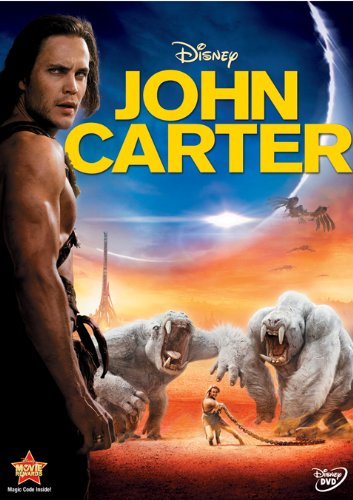
johncarterJohn Carter, Andrew Stanton (2012). The obvious choice, and one that will no doubt have a few of you choking on your doughnuts. I loved this film from the moment I saw it in IMAX 3D, and I’ve watched it several times since on DVD. The production design is gorgeous, the CGI is seamless (the Tharks actually look almost real!), and the script is polished, with a structure which is far more sophisticated than the material deserved. It’s a crying shame Disney decided to sink it because it could have been the start of a bloody good franchise. But instead we’re going to get endless shit superhero movies, a vast cinematic retconning of the Star Wars universe, and increasingly dumber Star Trek sequels. Yay for tentpole sci-fi blockbuster movies…

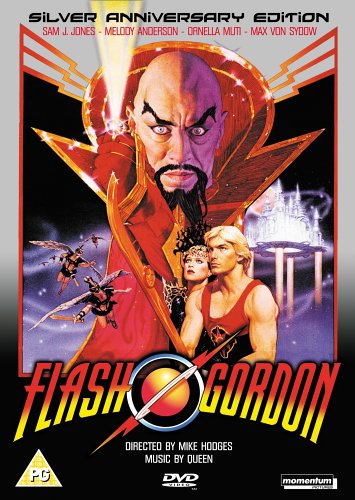
flashFlash Gordon, Mike Hodges (1980). There’s much that cringe-worthy in this film, from the Queen soundtrack (there, I said it) to the cheesy dialogue to half the cast clearly belonging in a much superior film to completely non-entity Sam Jones in the title role. Having said that, you won’t find more sci-fic pomp and silliness in any other movie. Von Sydow, Wyngarde and Dalton plainly belong in a much better film; Topol, Muti and Blessed seem to have found their level. Melody Anderson actually makes a good Dale Arden. It is, in fact, hard to fault Flash Gordon as a piece of cheesy sf camp, but it’s a mistake to consider it anything more than that (and unlike some people, I ask more of my movies and books than they be mere entertainment).

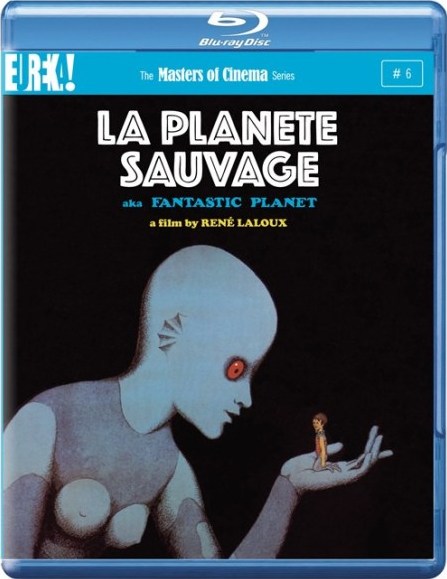
planete_sauavageLa planète sauvage, René Laloux (1973). No film list put together by myself would be complete without at least one non-Hollywood film. While this is not usually difficult to achieve, for “fantasies in space” it’s proven something of a hurdle. I mean, only the US makes cheesy space operas. But I believe La planète sauvage qualifies because, while it initially describes an alien world in which primitive humans exist only in the wild, it soon turns weird and philosophical and all sort of wishy-washy and bonkers. The animation and production design throughout is distinctive and strange – it’s by Roland Topor – but it suits the story. Laloux’s later animated films were a bit Métal Hurlant, but La planète sauvage displays a unique vision. Definitely worth getting hold of a copy.

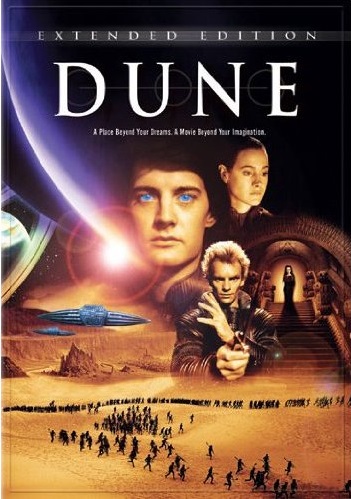
duneDune, David Lynch (1985). Heresy! Dune as a “fantasy in space”? I mean, I’ve always considered Dune science fiction, in space or otherwise, and I see no good reason to change that since it meets my definition of the genre. But since I also consider Star Wars science fiction, I feel this makes Dune allowable under Shaun’s somewhat baggy definition. And yes, Dune is a good film, and only fails at being a great film because the director couldn’t match his vision. But there are clues there if you watch the “television version” (which includes around an additional 45 minutes). It’s not so much the additional story that’s on the screen, and it’s certainly not the horrible prologue with its awful artwork. But the extended scenes set in the Imperial Court display an overly mannered presentation that works at the lengths shown in the television version much better than it does in the theatrical release. Plus, of course, the production design is superb. In fact, I’ll even forgive Lynch the “weirding module” and the rain at the end because everything looks so much like Dune should look. I currently own five DVD editions of Dune, so it’s probably about time I got it on Blu-ray. But which is the best Blu-ray version…?

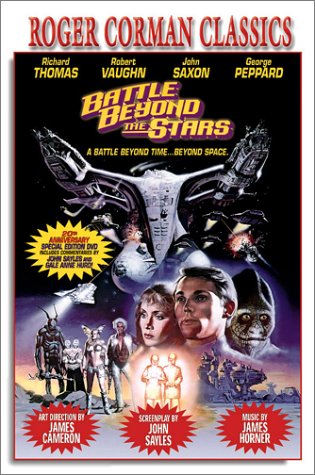
battleBattle Beyond the Stars, Jimmy T Murakami (1980). Space operas – sorry, “fantasies in space” – don’t come cheesier than this rip-off of Star Wars. But it does possess a certain charm all its own, whether it’s because its plot is a beat-by-beat copy of The Magnificent Seven, or that the hero’s spaceship looks like a pair of breasts, or Sybil Danning’s double entendres, or the fact George Peppard was clearly pissed throughout the film, or that the entire thing looks like a series of episodes from a bad sf television series. But as low budget space operas go, it’s an enjoyable example. And Richard Thomas actually displays some impressive acting chops. The fact the script is by John Sayles also helps.

There are a number of other films I could have chosen, but it would have been stretching a point beyond breaking to describe them as “good” – such as… The Humanoid, Aldo Lado (1979), in which Richard Kiel plays the title role in an Italian Star Wars rip-off with production design that’s a weird mashup of 1970s near-future science fiction, Star Wars and Flash Gordon… Or Starcrash, Luigi Cozzi (1978), which manages to make zero sense but does include the immortal line, “Imperial battleship, halt the flow of time!”… Or Barbarella, Roger Vadim (1968), which has not aged well despite being based on a French bande dessinée… Or even Andrzej’s Żuławski’s Na srebrnym globie (On the Silver Globe)… Or spaghetti sci-fi Star Pilot, Pietro Francisci (1966), which apparently inspired some elements of Star Trek…

ETA: After much thought, I’ve decided on Shaun’s challenge. Five non-English language films featuring space travel, not including Solaris. Oh, and no more than two of them from Japan.


1 Comment

Moving pictures, #13

I was looking at my film-watching records – yes, I have a spreadsheet of which films I’ve watched, and when – and I noticed in 2013 I watched on average around 16 DVDs a month. Last year, that almost doubled to 30 DVDs a month. This year, I expect it will be much higher. I have yet to figure out why…

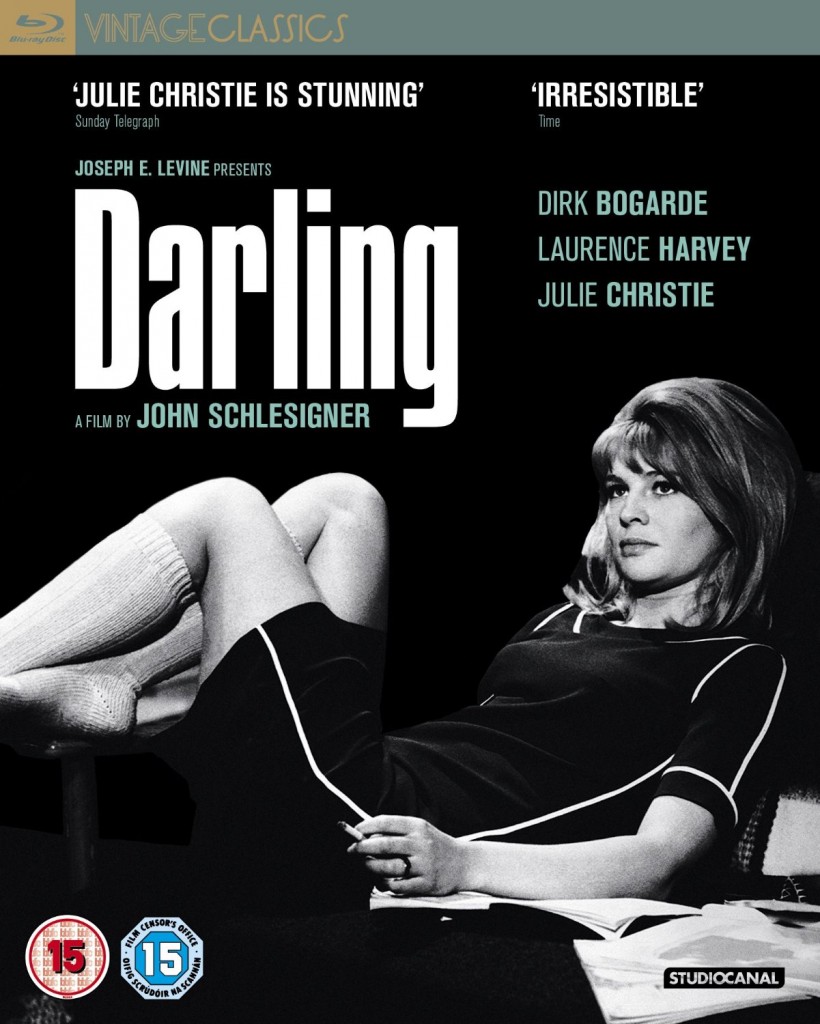
darlingDarling, John Schlesinger (1965, UK). Julie Christie plays a model in Swinging Sixties London, with a nice but dim husband at home, who has various affairs before eventually marrying an Italian count who proves mostly uninterested in her once they’ve tied the knot. The parallels with Grace Kelly’s life are left there for the the viewer to spot. Dirk Bogarde plays Christie’s manager, and he also has an affair with her. Mostly, however, the film is an acid commentary on the more affluent sectors of London society – an expensive dinner to raise money for famine victims, for example; and, oh look, things like that still happen, it’s as if the notion is irony-free, although of course Darling deliberately plays on it. The film starts a little slow, but Christie is good in her role, and things start to pick up as the career of Christie’s character does. A hippie party in Paris is quite amusing, if a little broad in its humour. I stuck the film on my rental list on a whim, and it proved to be a good call.
demoisellesLes Demoiselles de Rochefort*, Jacques Demy (1967, France). Demy’s The Umbrellas Of Cherbourg is a much better-known, and better-regarded, film than this but, to be honest, I enjoyed this one much more. The title to refers to a pair of sisters, played by real-life sisters Catherine Deneuve and Françoise Dorléac, who are looking for love in the eponymous town. A fair comes to Rochefort, one of the exhibitors at which is led by George Chakiris and Grover Dale. When their female stars abscond, they recruit Deneuve and Dorléac. Meanwhile, the sisters’ mother runs a café in the town square and pines for a lost love… who has actually returned to the town after many years and is helping Dorléac with her music (and also promises to introduce her to a famous friend of his, played by Gene Kelly). And then there’s the sailor who’s about to be demobbed, who’s friends with the sisters and their mother. Unlike The Umbrellas Of Cherbourg, the dialogue is not entirely sung – which may be one reason I much preferred this film – but they do break into song pretty much every five minutes. And then there are the big dance numbers. It’s a musical, but it doesn’t really feel like one. Which may be one reason for its charm. After watching this film, yes, I’d like to see more Demy. Again.
deepseaJames Cameron’s Deepsea Challenge, John Bruno, Ray Quint & Andrew Wight (2014, USA). I had to order this from the US as it’s yet to be released in the UK. And on Blu-ray too – in fact, wanting this documentary is one of the reasons I purchased a multi-region Blu-ray player. Anyway, I’ve been fascinated with the bathyscaphe Trieste’s 1960 descent to Challenger Deep, the deepest part of the oceans, for several years. I wrote a story set in Challenger Deep, and it was published in Where Are We Going?, an anthology from Eibonvale Press; and I used the Trieste in the third book of my Apollo Quartet, Then Will The Great Wash Deep Above. No one else had visited Challenger Deep – 7.5 miles down, where the pressure is 7 tons per square inch – since 1960s… until 2012, when film director James Cameron did it in the specially-built submersible Deepsea Challenger. This is the film of that expedition. It also includes a re-enactment of the Trieste dive. It’s a polished, well-presented documentary, and I found it fascinating. There is, it must be said, very little to be seen on the ocean floor at Challenger Deep, but Cameron and his directors make a very watchable film out of it. If there’s one downside it’s that we’ll have to put up with an Avatar 2 so that Cameron has the money to make another documentary like this…

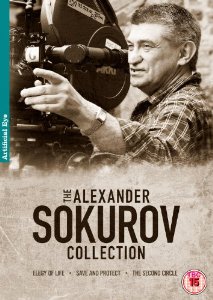
sokurovSave and Protect, Aleksander Sokurov (1989, Russia). This was a rewatch as I first watched Save and Protect shortly after getting The Alexander Sokurov Collection box set for Christmas. I remember it being very slow and somwhat impenetrable. I have now watched it again. More than once. It’s loosely based on the life of Madame Bovary (and no, I didn’t discover the following morning I’d gone and ordered a copy of the book), but only in as much as it presents the sexual freedom of the title character as the foremost aspect of her character. What makes Save and Protect interesting, however, is Sokurov’s deliberate flouting of the fact it’s a period drama. Some of the cast wear more modern clothing, a car even makes an appearance later. This breaking from the carefully-constructed historical world in which the story is set is neither intrusive, nor does it necessarily break the suspension of disbelief the medium relies upon. In fact, it’s very similar in effect to Haneke’s breaking of the fourth wall in Funny Games. The lead role in Save and Protect – ie, Emma, although never named as such – is played by French ethno-linguist Cécile Zervoudacki, who brings a remarkable earthiness to the part (Sokurov likes using non-professional actors, mostly to good effect). According to The Cinema of Alexander Sokurov: Figures of Paradox, “Save and Protect has never been intended as an enjoyable cinematic experience, except perhaps in the frame of masochistic self-infliction” (p 85), which I think is a bit harsh. The book does describe the film is a work of art, and perhaps it is in some respects Sokurov’s least successful movie; but to me this is only further evidence that what Sokurov is doing in cinema is both fascinating and hugely important.
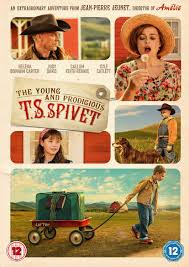
spivetThe Young and Prodigious TS Spivet, Jean-Pierre Jeunet (2013, France/Canada). Delicatessen remains one of my favourite films, and I’ve always rued Caro and Jeunet going their separate ways since neither has produced anything individually as good as the work they did together. Jeunet has been the more successful, of course, with a string of well-received movies, such as Amelie, A Very Long Engagement , Micmacs, and now The Young and Prodigious TS Spivet. Which is plainly a Jeunet film through and through. The title character is a young boy who’s a genius and an inventor. He lives on a farm in Montana, with an entomologist mother (played by Helena Bonham-Carter) and a taciturn cowboy father (a badly miscast Callum Keith Rennie). Young TS Spivet wins the Baird Prize, awarded by the Smithsonian Institute, for his design for a perpetual motion machine, but he had neglected to tell them his age. Nonetheless, he decides to attend the prize-giving ceremony in Washington. So he runs away from home and travels across the US and… Jeunet does whimsy with a master’s eye. But I do find it somewhat thin an ingredient on which to hang an entire movie. There’s only so much CGI-enhanced scenery you can take in, so much borderline slapstick, so many characters bent out of shape until they’re grotesques… Not a bad film for a Saturday night and a bottle of wine, but I’m glad it was a rental and not a purchase.
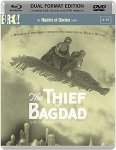
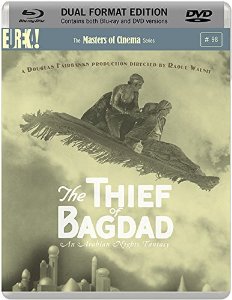
thiefofbagdadThe Thief of Bagdad*, Raoul Walsh (1924, USA). Douglas Fairbanks plays the title role in this Arabian Nights-style silent movie. By my calculation, he was forty when the movie was made, but he plays the title role like a teenager, with lots of gurning at the camera, throwing his arms wide, and standing with his hands on his hips, his waxed chest pushed out. It’s almost a parody of silent movie acting. And somewhat off-putting. Otherwise, the film is a classic of its time, with some clever special effects and a story which, although somewhat long, manages an enviable pace. The production design, however, is… odd. While the sets did sort of resemble an Arabic city of the Caliphate era, the various pieces of writing on the sets were gibberish, not Arabic letters at all. It seemed to me like a weird mistake to make – to go all that trouble to create a believable Arabian Nights setting, and then not bother using an actual real alphabet. Ah well.
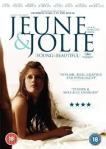
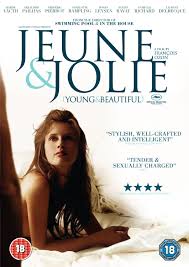
jeuneJeune & Jolie, François Ozon (2013, France). I’m a fan of Ozon’s films, although I do find him a bit hit and miss. I loved Angel, I thought Under The Sand very good indeed, and his film of Rainer Werner Fassbinder’s unfilmed script, Water Drops On Burning Rocks, was close to inspired. There are a few duff movies in his oeuvre, but it’s a generally excellent body of work; and he’s certainly a director whose career I follow. So I had reasonably high expectations of Jeune & Jolie, but… what a cold film. A teenage girl conspires to lose her virginity while on a family holiday, and on their return to Paris becomes an call girl, having sex with older men for money. Marine Vacth (who was twenty-two at the time of filming) plays the lead character with a quite disturbing lack of affect. When one of her clients dies in flagrante delicto, she briefly panics, tries to give him CPR, then runs away. But the police track her down – which is how her parents come to learn of her activities. Despite all this, she seems mostly unconcerned at what happened, or indeed at being caught. Not a pleasant film, though clearly it wasn’t intended to be. In some respect, it felt a bit like something from Haneke, but missing his signature oblique eye.

1001 Films You Must See Before You Die count: 591


Leave a comment

For every one I read, two more appear

I have actually been very good this year. So far, at least. The TBR has been decreasing. Sadly, this is not not because I’m reading more – unfortunately, I seem to be actually reading less. But I have been buying fewer books. And I’ve also given away loads of unread books – that I was never going to get around to reading – at the BFS/BSFA York pub meets and SFSF Socials.

Having said all that, I can’t not buy books for an entire year. Especially when there are ones by authors whose works I like that are being published, or when books I’ve been looking for pop up on eBay for a reasonable price, or when there are sets to be completed.

But at least I’m starting to take control of the collection. I think.

2015-05-15 07.56.40

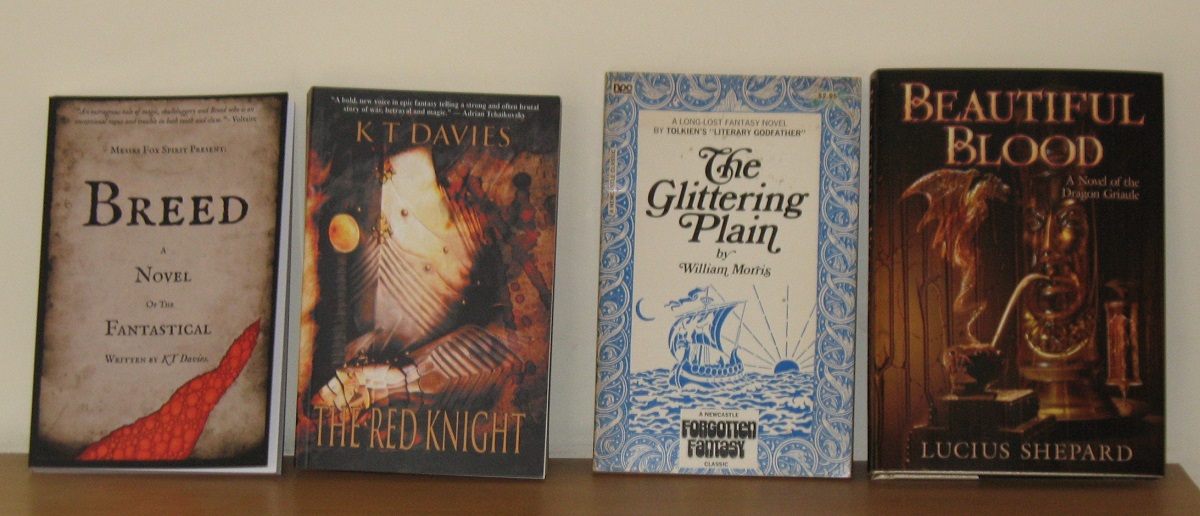
Some fantasy. Which I don’t read all that much, but never mind. Breed and The Red Knight I won in the raffle at the York pub meet last weekend. Which was cool as Karen was one of the authors giving a reading. (Usually, I never win anything decent in raffles.) The Glittering Plain is the first book in Newcastle Forgotten Fantasy Library series, which looks like it might make a good series to collect. And Beautiful Blood is Lucius Shepard’s last book for Subterranean Press. It’s a novel set in the world of the Dragon Griaule.

2015-05-15 07.57.11
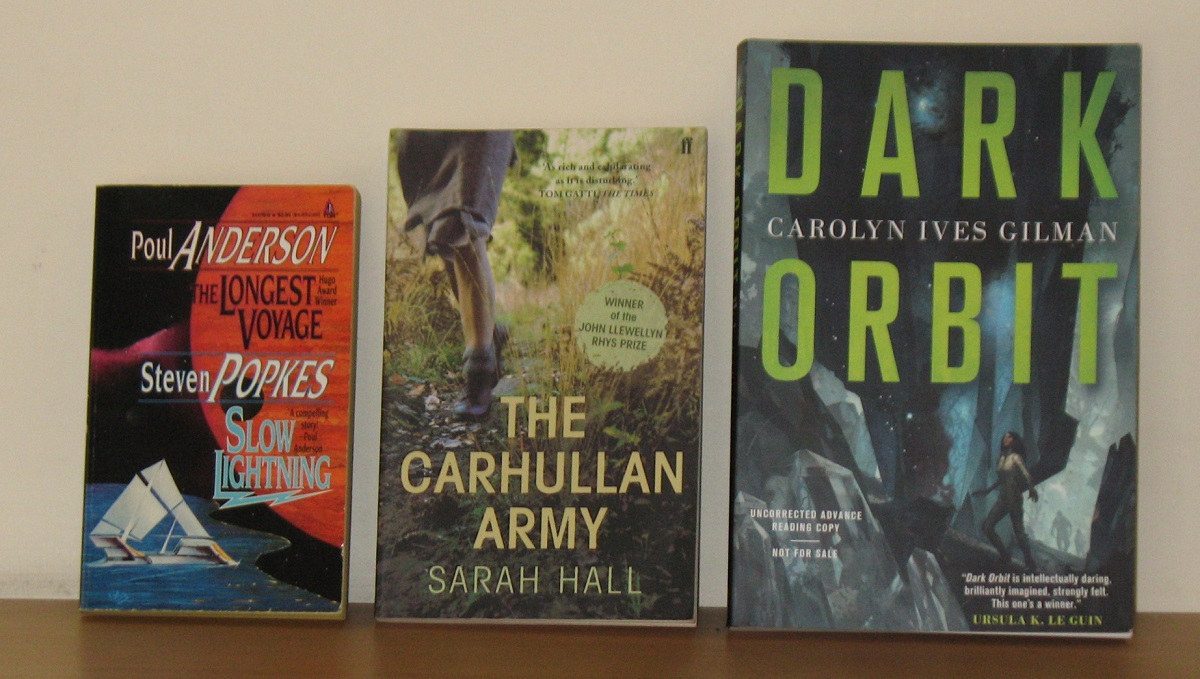
Some science fiction. I found a dozen or so of the Tor doubles in a remaindered book shop in Abu Dhabi when I lived there, and I’ve been picking up others in the series whenever I find them, such as The Longest Voyage / Slow Lightning. They published 36 books in total, and most of them aren’t that good. Meh. The Carhullan Army I bought in Oxfam while in York for the aforementioned pub meet. Dark Orbit I’m reviewing for Interzone. I’m a fan of Gilman’s fiction, but I’m still trying to figure out what I think to this one.

2015-05-15 07.57.36

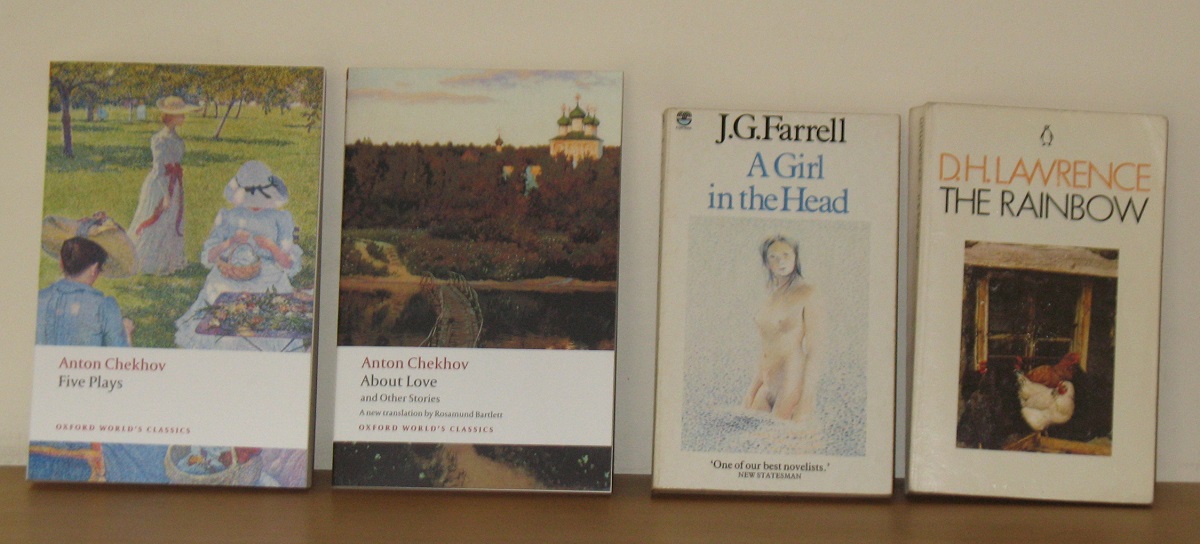
Some mainstream. About Love and Other Stories and Five Plays I bought late one night after a bit too much wine and having watched Aleksandr Sokurov’s Stone, which is apparently about Chekhov. These things happen. I read Farrell’s The Siege Of Krishnapur a couple of years ago and was much impressed, so I keep an eye open in charity shops for his books. A Girl in the Head I bought in the aforementioned Oxfam shop. Bit of a dodgy cover, though. The Rainbow is one for the DH Lawrence collection. My mother found me this copy. I now have eighteen Lawrence paperbacks with that particular cover design.

2015-05-15 07.57.55

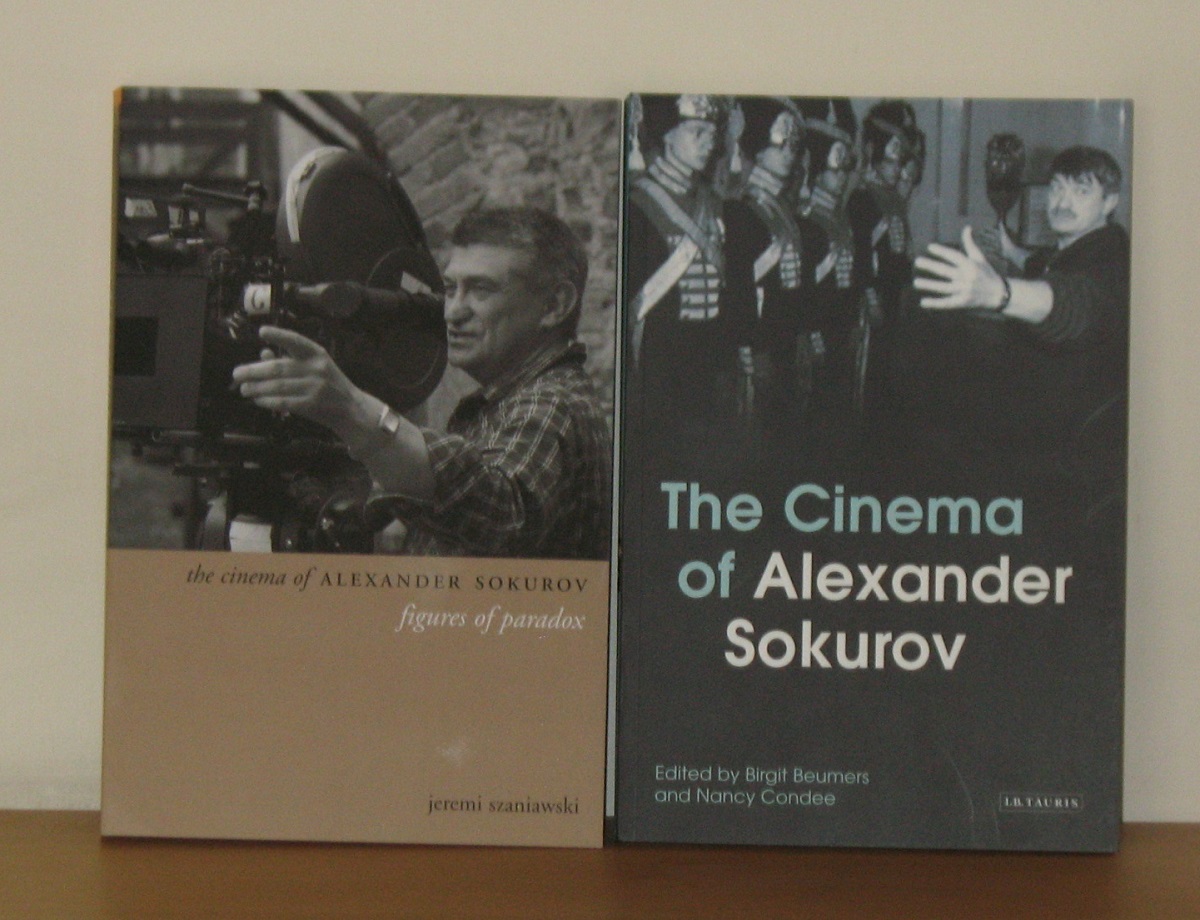
And speaking of Sokurov… The Cinema of Alexander Sokurov and The Cinema of Alexander Sokurov: Figures of Paradox are the only two books on the director I can find. Annoyingly, both discuss both The Lonely Voice of Man, Days of Eclipse and Taurus, three films which have never been released on DVD with English subtitles. Otherwise, very interesting books on a fascinating director.


1 Comment

Moving pictures, #12

Time to catch up on films again…

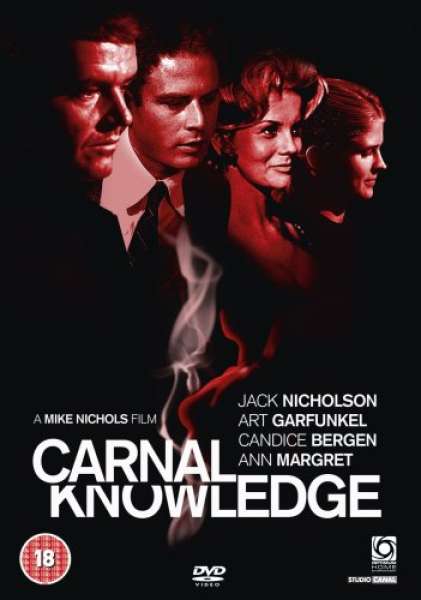
carnalCarnal Knowledge, Mike Nichols (1971, USA). According to imdb.com, this is a sexual satire but I couldn’t see much that was satirical in a film that unironically treats women like objects. At one point, Jack Nicholson even gives a slide show of his girlfriends, giving a running commentary on each woman’s appearance and sexual prowess. You see Nicholson and Art Garfunkel were at college together, and they both fell in love with Candice Bergen, but Nicholson ended up marrying Ann-Margret… and years later both men treat the women in their lives like shit, and I seriously have to wonder why this is classified as entertainment. There are a lot of classic films that have never been released on DVD, there are a lot of foreign films that have never been released in English-language editions on DVD… So you have to wonder why they bothered to waste non-biodegradable plastic on crap like Carnal Knowledge.

sokurov_earlyWhispering Pages, Aleksandr Sokurov (1994, Russia). And speaking of foreign languages films not release in– ah wait, I’ve said this before about Sokurov. Whispering Pages is only available as part of a US-only release, Early Masterworks, on Blu-ray and DVD. The films opens with a distorted image of a riverside block of flats in St Petersburg, before eventually focusing on a series of pillars which distortion have rendered almost two-dimensional, and then a man sitting on some steps at the side of the river. He wanders through a series of buildings, a sort of enclosed city, on some sort of quest. I’ve watched the film three times now I’m no clearer as to what’s going on. I’m guessing it’s Limbo or Purgatory, existence as a struggle with some lesson to be learnt, but Sokurov is so allusive and the references so opaque – according to The Cinema of Alexander Sokurov: Figures of Paradox, the film borrows from both Dostoevsky and Gogol, the works of neither of whom I’m familiar with (although I should be grateful for small mercies in that I didn’t wake up the morning after watching the film and learn I’d ordered their books from Amazon…). But all this, of course, is part of the appeal. The film defies easy understanding, and the beauty and strangeness of the cinematography – it’s weird shifts from sepia-tinted to washed out blues and greys to black and white – sucks you into a world in which there is clearly a pattern but it requires work to discern. I will be watching this again; eventually, I will figure out what it’s about.

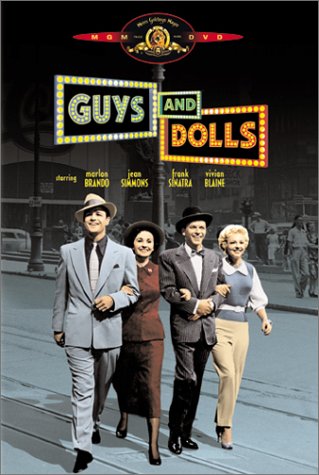
guysanddollsGuys and Dolls*, Joseph L Mankiewicz (1955, USA). If I added up all my pet hates, I’d have a respectable zoo. Well, a small petting one. Probably full of hamsters. And maybe a goat or two. But one of my pet hates is surely that stupid formalised language like that what is used by the writer Damon Runyan in the speech of his gangster characters in the stories that he wrote. Which is what’s used in Guys and Dolls – likely because the stage show, and so the film, were both based on a pair of stories by Runyan. As it is, Sinatra seems peculiarly charisma-free, Marlon Brando is actually less annoying than usual (although not at first), and Jean Simmons provides a surprisingly common-sensical romantic lead. I didn’t think the songs especially memorable, although one or two of the set-pieces were amusingly done. I am not, it has to be admitted, a fan of musical films, and though I have watched many of them – for reasons I have yet to figure out – I thought this one middling at best.

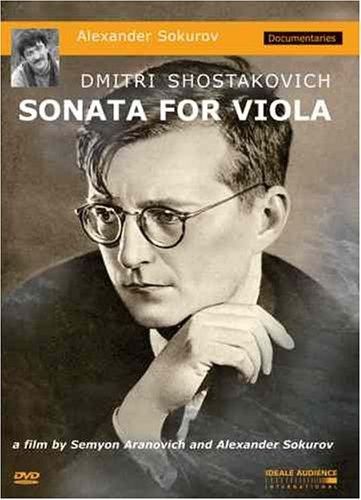
sonataviolaSonata For Viola, Aleksandr Sokurov (1981, Russia). And here’s another film that features music, that is actually about music – or rather, a composer. I know very little about classical music, it just isn’t my thing; so the appeal here is likely to be limited. And so it proves. Sokurov puts together a documentary on Dmitri Shostakovich based on archive footage. It’s an early work, so the voice-over tends to be more factual and less philosophical than later documentaries; and while it does a good job of laying out Shostakovich’s life, and setting it in context, it’s not likely to attract viewers unless they’re interested in the topic or the director. One for the collection, without a doubt. But no, not a favourite in Sokurov’s oeuvre.

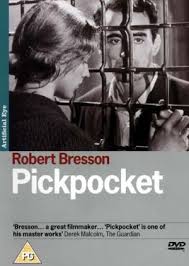
pickpocketPickpocket*, Robert Bresson (1959, France). Bresson is a highly regarded director, and several of his films appear on various lists of great or top 100 or films to see before you die lists. Which is why I’ve seen several… despite not actually taking to any of them. Such as Pickpocket. Non-professional actor Martin LaSalle plays a young man who drifts into thievery, initially for kicks but later as a means to make a living. He meets various other pickpockets and thieves, learns the tricks of the trade, has metaphysical discussions with assorted people, finds himself in a battle of wits with a police inspector… but it’s all played so flat, so affect-less, that’s it’s hard to give much of a shit. LaSalle is a cipher, the remainder of the cast are mouth-pieces, and the story’s only saving grace is its irony. But for irony to really bite, you have to care about its victims. And Bresson does a piss-poor job of making LaSalle, or indeed anyone in the film, sympathetic. He can do it for a donkey, but apparently not for a criminal. Disappointing.

shock_aweNymphomaniac, Volume I and II, Lars von Trier (2013, Denmark). I remember seeing posters for this all over Copenhagen when I was there for Christmas in 2013. And since catching a film at the cinema is an sort on-and-off family tradition over the holiday, I did briefly consider this as a possible contender… But it’s 241 minutes long in total, and I suspected it wasn’t really suitable family viewing… Both facts I can now confirm, having watched it on Blu-ray – although I saw the version bundled in the Shock & Awe von Trier box set, which is not the 325 minute director’s cut. So beware. Stellan Skarsgård finds a badly-beaten Charlotte Gainsbourg one night, takes her home and sees to her injuries. Once recovered, she explains she is a nymphomaniac and tells him her life-story – which is shown in flashback, with Stacy Martin playing the young Gainsbourg. It begins with teenage sexual games, moves onto unhealthy relationships, and finally a marriage which slowly disintegrates, in part because Martin is now visiting sadist Jamie Bell on a regular basis. Skarsgård tries to explain Gainsbourg’s stories by relating them to fly-fishing, as he later admits to having never experienced sex himself. Both parts of Nymphomaniac are pretty much typical von Trier, that unhappy mix of beautiful cinematography, keen observation of the banal, and an almost schoolboyish desire to shock. He also does that thing where a line of genuine insight is often followed by a banal cliché – because he’s at his best when he’s observing and at his worst when he fails to resist the temptation to let his story jump the rails. I still think von Trier is an important director, and the Shock & Awe box set was certainly worth purchasing… but of the von Trier films I’ve seen so far I think Antichrist is the best in this collection – it’s the most emblematic of his later work, not to mention the least misogynistic. It often feels as though von Trier considers himself the enfant terrible of cinema – and tries just a little bit too hard to live up to the label.

1001 Movies You Must See Before You Die count: 589


2 Comments

Reading diary, #6

Reading catch-up time, before It Doesn’t Have To Be Right… turns into a film blog. Now that A Prospect of War and All That Outer Space Allows are both out, I’m hoping I’ll get more reading done. I’ve managed to reduce the TBR slightly over the past couple of months, although chiefly by not buying as many books as usual. There are still way too many books for comfort sitting on my bookshelves (or piled on the floor) that I want to read.

Synners, Pat Cadigan (1991). From the SF Masterwork series. I reviewed it on SF Mistressworks here.

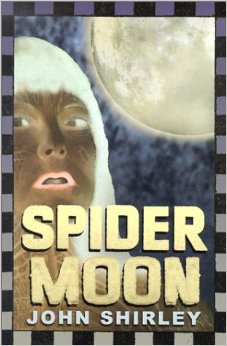
spidermoonSpider Moon, John Shirley (2002). I seem to have rather a lot of John Shirley novels, many of which are signed first editions from small presses, and I’m not entirely sure why. It’s not like he’s an amazing writer, or I’m a huge horror fan. I suspect he’s got lumped together in my mind with Lewis Shiner and Lucius Shepard, who also have had many books published by small presses, and that one or two of Shirley’s books at some point I actually did quite admire – Heatseeker, perhaps, or A Splendid Chaos. But, Spider Moon… which is not actually horror, but crime, noir possibly. The narrator is an editor for a San Francisco-based publisher, which is bought out by a big New York publishing house… and which plans to make a few changes. Another member of the firm goes postal, the narrator finds himself with the gun is his hand, and is forced to make a run for it. His son died only a few days before from a drug overdose and, determined to get revenge on the dealer, the narrator hooks up with a pair of lowlifes and the threesome go on a bit of a mini-crime spree. A quick read, and by no means a bad one… and I still don’t know why I have so many books by John Shirley.

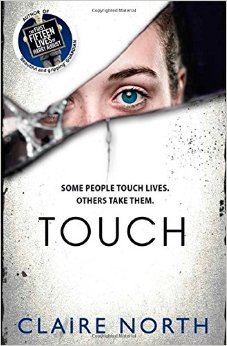
touchTouch, Claire North (2015). I bought this because I thought The First Fifteen Lives of Harry August was pretty good, and the central premise of this new novel – a being who can jump from body to body by touch and while in possession control them – sounded intriguing. Having now read it, I don’t think it’s quite as successful as North’s first novel. It’s certainly a polished piece of writing, the narrator Kepler is well-drawn, and the central conceit is well-handled… but the plot sort of gets lost along the way and eventually peters out. I reviewed the book for Interzone.

atrocityexhibitionThe Atrocity Exhibition (Annotated), JG Ballard (1969/1990). Wanting to read more Ballard is hardly a contentious ambition, and I’ve read plenty of Ballard already. The 4th Estate editions also made a nice set with their distinctive cover designs, so it was worth picking up copies. Which is what I did. I’ve always been a bit ambivalent about Ballard, perhaps preferring the idea of his fiction more than I did his actual fiction – which is itself quite a Ballardian attitude. He was never a great prose stylist, and he was often a better commentator on twentieth-century life than he was a novelist – what his books said was often more interesting than the stories he chose to tell. The Atrocity Exhibition (Annotated) is a case in point. Half the time, Ballard zeroes in quite effectively on some weird public compulsion, turns it on its head, and the result is a biting comment on the cultural landscape. But just as often, it’s word salad, and he piles the words one upon the other and it reads like an academic work that completely misses the point of its topic. And then, over all this, like giant flashing lights and deafening klaxons, is all the “controversial stuff”, story titles like ‘Why I Want to Fuck Ronald Reagan’ and ‘Plan for the Assassination of Jacqueline Kennedy’. The problem with sacred cows is that no one will admit they make steaks that taste just like normal steaks. Of course, there’s also the bits and pieces of The Atrocity Exhibition (Annotated) that went on to become and/or inspire Crash, which is much the better work. But still, Ballard: always worth a read.

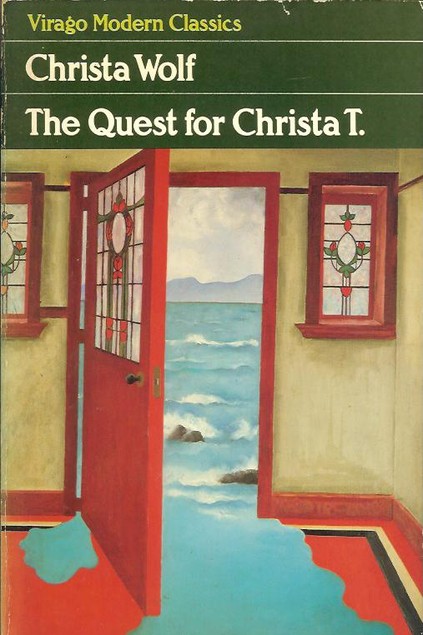
questThe Quest For Christa T., Christa Wolf (1968). I stumbled across this in a charity shop, and since Wolf was a name I’d come across in my search for postwar British women writers (even though she’s German), I decide to buy it. Besides, you just don’t see enough of those green Virago paperbacks in charity shops. The title character and the narrator meet while at school during World War II. They go their separate ways, but meet up again at university in the early nineteen-fifties. The book then follow them through to the nineteen-sixties. It all takes place in East Germany. The story is phrased as a commentary on Christa T by the narrator, almost as if she’s telling it to someone. It’s a style that takes some getting used to, especially in these times of immersive prose; and although it’s considered “experimental” I have to wonder if it’s not how stories were originally told before the advent of the realist novel. I can’t say I’ll be hunting down any more of Wolf’s work – although I’ll keep an eye open for green Virago paperbacks, of course – but I’m glad I read The Quest For Christa T..

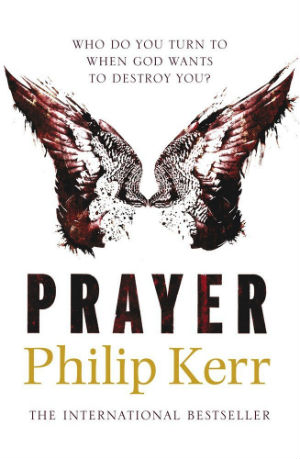
Philip-Kerr-PrayerPrayer, Philip Kerr (2013). This novel reads like an idea Kerr pitched to a US network, but was turned down. There’s some solid work in it, but it’s a thin piece stretched out to novel-length. Gil Martin is a FBI agent in Houston, involved in investigating domestic terrorism. When he admits to his wife that he no longer believes in God, she leaves him and takes their young son. Meanwhile Martin is investigating a series of strange deaths of prominent atheists – all four seem like freak accidents or bizarre medical catastrophes. But the fact they’re hated by the religious right makes their deaths suspicious. Martin eventually discovers that a charismatic preacher has discovered “directed prayer” actually works, because God exists, and he’s the Old Testament God who demands unquestioning obedience, not Jesus’s wishy-washy God of love. And this preacher’s secret prayer group has been sending the fallen angel Azrael to kill their opponents. It’s all a bit flimsy, and the plot isn’t exactly twisty-turny. Kerr generally writes clever thrillers, but some of them are propped up by well-handled research rather than clever plotting, and Prayer falls into that category.

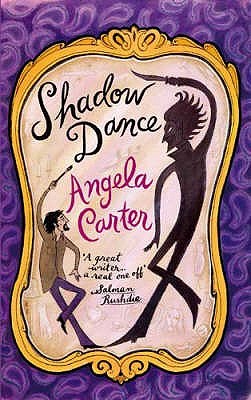
shadowdanceShadow Dance, Angela Carter (1966). This was Carter’s debut novel, and there’s effusive praise for it on the cover of my edition from Anthony Burgess. And having now read the book, Burgess’s comments don’t surprise me in the least. It’s just like a Burgess novel in many respects. The narrator Morris runs a junk shop with flighty none-too-legit Honeybuzzard (which I kept on wanting to read as Honeybadger), who is a bit of a knob. Rumour has it that the recent scar disfiguring Ghislaine’s face is Honeybuzzard’s handiwork, although he claims otherwise. Besides, Honeybuzzard now has Emily, who seems to be made of much sterner stuff. And, er, that’s about it. The prose is somewhat overwrought, and far too quick to reach for cliché, especially when Carter emphasises a point by adding on descriptive clause after descriptive clause. From what I remember of her later novels, she soon rid herself of the habit. Fortunately. But lines like “The lines of his ribs showed through the flesh like an elegant bird-cage where his trapped heart flapped its wings regularly, one, two, on the beat” should have been excised. And there are far too many mentions of rape too. Not a great novel, though Carter went on to write some great stuff.


Leave a comment

Moving pictures, #11

I seem to have gone on a bit of a Russian film binge in this one – a Sokurov box set I’d ordered arrived, and I decided I’d better finish off the Eisenstein box set.

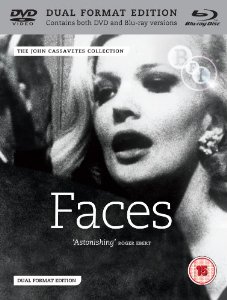
facesFaces*, John Cassavetes (1968, USA). I think this is the second Cassavetes films I’ve seen, it would appear he’s one of those highly-praised US independent directors, like Hal Hartley, whose appeal completely passes me by. Faces is shot in black and white, in a cinéma verité style, and seems to consist chiefly of a group of small people at various times, whose constituents change, being drunk and either talking crap, larking about or treating women badly. Buried somewhere among these scenes is a narrative, which apparently describes the slow disintegration of a marriage. But, to be honest, I didn’t much care. Most of the cast were pretty reprehensible, and their drunken boasting was hardly edifying or particularly entertaining. I’m afraid the high regard in which Faces is held is completely beyond me.

elegylandMaria, Aleksandr Sokurov (1978 to 1988, Russia). Sokurov’s films are not easy to find, and many of them have yet to be released on DVD. Elegy of the Land, on which this film appears, is fortunately relatively easy to find. Sokurov began his career making television documentaries, often from found footage, but Maria is original footage about the eponymous farmer, first filmed in 1978, and then added to ten years later. It’s a propaganda piece, but it’s also typically Sokurovian, although some of the cinematography is not as sophisticated as that displayed in later films. There are, for example, no distortions of the image, as used in later films, and the narrative is relatively straightforward. The film is also vibrantly-coloured – albeit only in the first half, the 1978 segment which last some 18 minutes and 30 seconds. The only dialogue is that spoken by the women farmers (only one or two men actually appear in this part of the film). Ten years later, Sokurov returned to film Maria, opening this half of the film with a typically Sokurovian long take shot from a vehicle driving along a road. The inhabitants of Maria’s village are invited to a showing of the first half of the film, and Sokurov films them (in black and white), and provides a voice-over. Maria dies, and he takes stills of the funeral, while commenting on her career and what she represented to those who knew and loved her. Maria is an odd piece – those first 18½ minutes seem very typical of Soviet propaganda – a colourful cinematographic essay on Soviet agriculture, although without the usual self-aggrandizing commentary. But the second half of the film is much more like one of Sokurov’s elegies, a meditation on its subject visualised using a variety of cinematic techniques. The more Sokurov I watch, the more he climbs in my estimation.

sokurov_earlyStone, Aleksandr Sokurov (1992, Russia). This is available on the Early Masterworks box set, which has only a US release (and includes a Region A Blu-ray), so it’s a little harder to find. But it’s worth taking the trouble to track down a copy. And I say that having now seen Stone three times and still being no wiser as to what it is actually about. In fact, the second time I watched it was after spending the afternoon on a bit of a pub crawl, so I fell asleep about ten minutes in. I then decided to rewatch it straight away, while reading the essay on the film in The Cinema of Alexander Sokurov: Figures of Paradox… And the following morning I discovered I’d ordered two paperbacks by Anton Chekhov from Amazon… But then I find Sokurov’s films – both fiction and documentary – endlessly fascinating not only because he distorts his cinematography to generate a specific visual look and feel – something I would like to be able to do in fiction – but also because he builds his narratives from allusion, metaphor and references, and there is so much going on in his films that every other director’s oeuvre seems almost juvenile by comparison. As far as I can determine, Stone is about Chekhov, returning to his house after his death, I think – but it shares a look and feel, and a thematic similarity with my favourite Sokurov film The Second Circle, although in this one the picture is distorted rather than just filtered. It’s another film with those long takes which suck you in, until you find yourself focusing on every aspect of the film with a degree of concentration it’s impossible to give to a nanosecond jump-cut Hollywood tentpole blockbuster…

dersuDersu Uzala*, Akira Kurosawa (1975, Japan/USSR). This is the first film Kurosawa made after attempting suicide following the commercial and critical failure of Dodes’kaden, and apparently he had known of the book of the same title by Vladimir Arsenyev since the 1930s. Whatever the provenance, I have to admit this is the Kurosawa film I’ve enjoyed and admired the most – but how much of that is due to my favouring of Russian cinema over Japanese? The title character is a hunter of the Goldi (Nanai), one of the Tungusic peoples of the Russian Far East, who Arsenyev runs into while on an army expedition to survey the Sikhote-Alin region. Uzala is a wily old man of the woods, and though the Russian soldiers initially consider him a primitive, he quickly earns their respect. So far so good. Kurosawa handles his wilderness filming with his usual excellence, and makes particular use of his fondness for placing the camera at odd angles. There is a weird spiritual interlude, which feels like pure Kurosawa, but which I felt didn’t quite gel with the other parts of the film. And then there’s the bit where Arsenyev attempts to “tame the savage” by offering Uzala his home when the hunter finds he can no longer live in the wilds as he once did. But he soon begins to long for his previous life. I thought Dersu Uzala very good – and while I may be starting to appreciate Kurosawa’s films more, I suspect it’s the story which is responsible for my liking it so much.

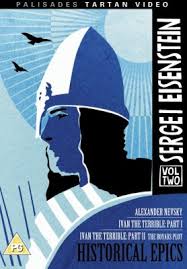
esisensteinIvan the Terrible, part 1*, Sergei Eisenstein (1944, USSR). No, I don’t understand why the first part of this is on the 1001 Movies You Must See Before You Die list, but the second isn’t. Especially since I preferred part 2 to part 1. The film tells the story of, er, Tsar Ivan IV, who ruled all the Russias from 1547 until his death in 1584. It’s all very in your face, with much gurning, and some quite fantastic costumes. In many respects, it feels and looks like Eisenstein’s Alexander Nevsky, although some 300 years separates the two films (their subjects, not their filming). This first part deals with Ivan’s ascension to the throne, with much politcking from the boyars, many of whom had their own candidates for tsar. Then there’s a mob scene – Eisenstein likes his mob scenes – and there’s also his marriage to Anastasia Romanovna, which doesn’t go all that well… The spectacle and melodrama tend to overwhelm the story, and disguise the fact Ivan the Terrible was a pretty fascinating historical figure – this is in many respects  an historical biopic turned up to 11.

esisensteinIvan the Terrible, part 2, Sergei Eisenstein (1958, USSR). Apparently, Stalin banned this part, which is why it didn’t appear until fourteen years after the first. It was also filmed partly in colour, unlike the black and white of part 1. And I found myself enjoying it more. Again, you have those fantastic costumes, and a lot of scenes set in Ivan’s throne room. And in some of those scenes, a dance springs to mind especially, Eisenstein actually turns it up to twelve – which is quite an achievement.  In other words, this film is more of the same, with the emphasis on more. Incidentally, I’m still a little annoyed I’ve yet to find a copy of Tartan’s Sergei Eisenstein Collection Volume 1 (containing Strike, Battleship Potemkin and October) for a reasonable price… although I see the Sergei Eisenstein Collection Volume 2 is now going for silly money… so I’m glad I bought my copy when I did.

1001 Movies You Must See Before You Die count: 587


7 Comments

Launch days

Well, April was an interesting month, last week was an interesting week. It’s not everyone who has two novels published within three days of each other, and sees the end of one series and the start of another. Two very different novels too – and not just in size, 45,000 words versus 190,000 words…

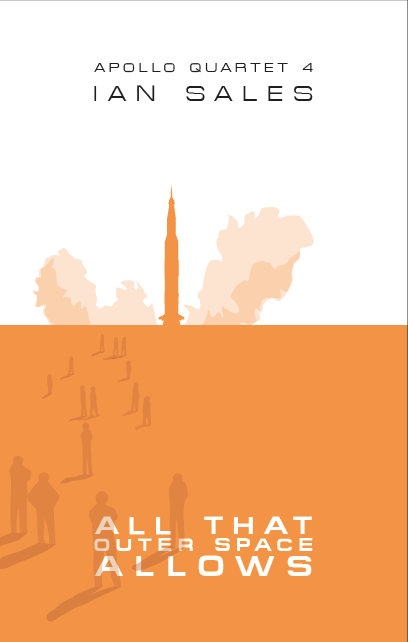
Screen Shot 2014-10-08 at 3.46.35 PMFirst, the final book of the Apollo Quartet, All That Outer Space Allows, was launched on 27 April – on Kindle and paperback only. The signed limited hardback edition will follow later this month. Some time over the next couple of days I’ll be putting up a page on the Whippleshield Books web site to pre-order copies – and yes, I’m happy to reserve specific numbers (but it has to be less than 75, of course), although people who have purchased specific numbers of the other books of the quartet will of course get first call. All That Outer Space Allows, which is a novel and not a novella, was a hard book to write – as indeed have been all four books of the Apollo Quartet. But I think they’re good work and they occupy a space in the genre I’d plan to explore further… even if I have to self-publish again.

apowThen, on 30 April, Tickety Boo Press soft-launched the first book of An Age of Discord, my big fat space opera trilogy, A Prospect of War. It’s ebook only at present. There’ll be a paperback and a signed limited hardback launched at Edge-Lit 4 in July. A Prospect of War couldn’t be a more different book to All That Outer Space Allows. It’s my attempt at a commercial science fiction subgenre. I kept the prose plain, and limited the complexity to the plot (which is, er, quite complex). There are no fancy literary tricks in A Prospect of War, I just rang a few changes on your standard space opera tropes. A Prospect of War will be followed in October by A Conflict of Orders, and in March 2016 by A Want of Reason. I also have plans for a couple of novellas set in the same universe, but we’ll see how things go…

Ebook copies of both books are available for review. Drop me a line if you’d like one. Or, er, both.


4 Comments

Behind the Iron Screen

It all started quite innocently enough. Shaun Duke posted a list of something or other on his blog, The World in the Satin Bag. I pointed out he was wrongheaded. He challenged me to produce a rival list, which I did. I challenged him to produce a list… and by this point I’ve forgotten whether we were originally discussing books or films. I’ve a feeling we started off with books but somehow drifted onto films. Anyway, he responded to my challenge and issued one of his one own, which I met. And then I challenged him to produce – and I think this is the point we’re at now – a list of five Cold War-related genre films that most people would not have heard of. Which he did. And now he has demanded that I do the same, but from the other side of the Iron Curtain. So, five Warsaw Pact Cold War-related genre films, of which at least three must be from the USSR/Russia…

Happily, I immediately thought of several possible movies. The only question was whether they qualified as Cold War-related. Or as genre. And having to choose three of the five from the Soviet Union did somewhat limit my choices. So it was more a matter of picking which five to put on my list than it was actually finding five. And here they are, in no particular order…

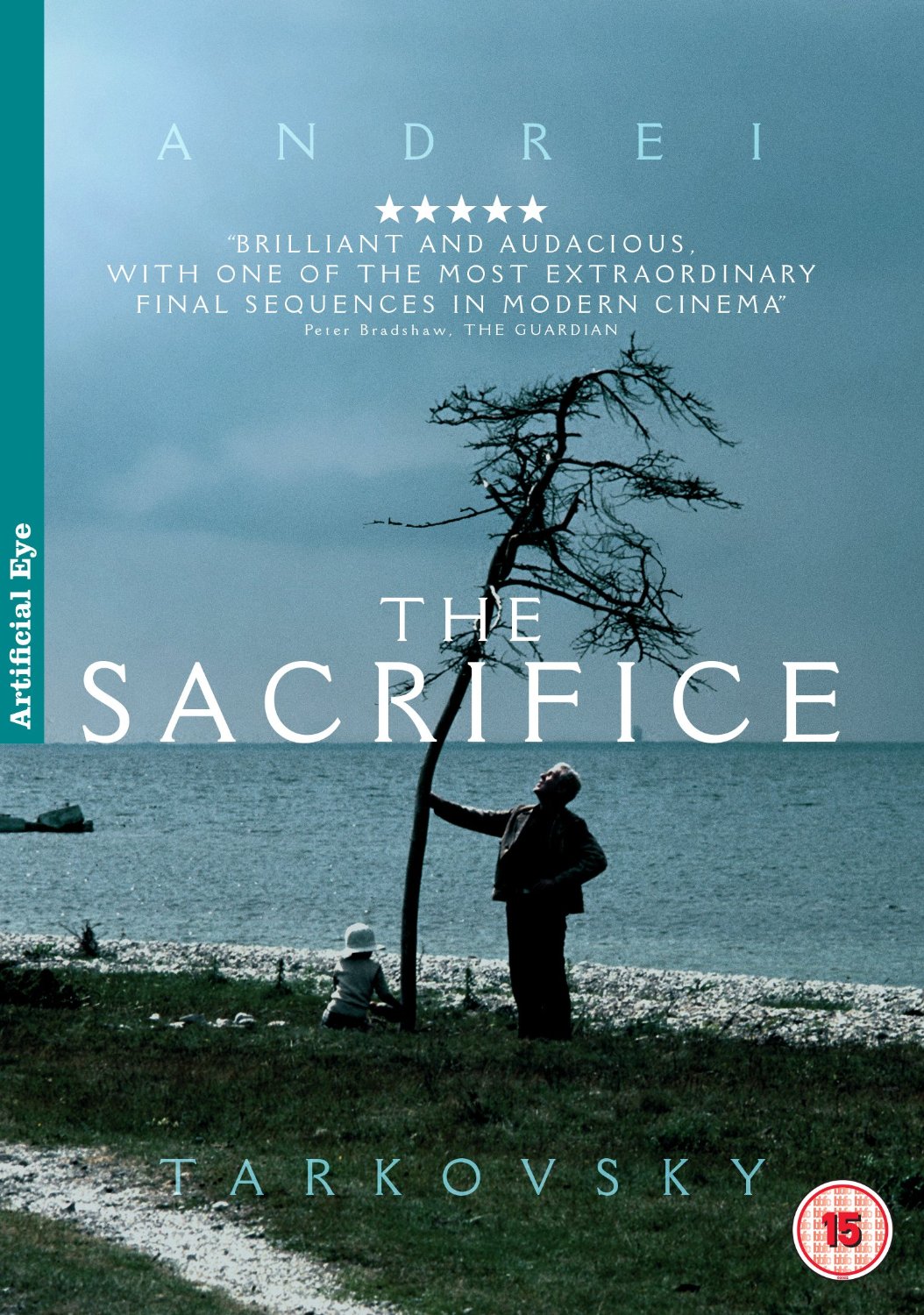
Sacrifice_Offret (The Sacrifice), Andrei Tarkovsky (1986, Sweden). The absolutely obvious choice. It’s about a nuclear war, so you can’t get more Cold War than that. Okay, it was filmed in Sweden with a Swedish cast, but Tarkovsky is arguably the most famous film director to have come out of Russia, so in my mind it counts as a Russian film. So there. An ex-actor, played by Bergman regular Erland Josephson, lives in a nice house on a remote Swedish island with his wife. After admitting he no longer believes in God, news reaches Josephson of all-out nuclear war. He vows to sacrifice all he owns and loves if God will undo the nuclear holocaust. Unsurprisingly, this is quite a harrowing film, but it is also Tarkovsky… and you cannot call yourself a cineaste if you do not love Tarkovsky’s movies.

starsbyhardwaysЧерез тернии к звёздам (To the Stars by Hard Ways), Richard Viktorov (1981, USSR). The Cold War link is less obvious in this famous Russian sf film, but given that it concerns an ecological war between two groups on an alien world – and in which humans become involved after rescuing the bizarre-looking Yelena Metyolkina – there’s clearly a parallel. Admittedly, the rescue mission is multi-national, but then socialist films liked to show the world’s nations working together, even if the West has always been resistant to the idea (US films, for example, always show the US doing everything) . Ruscico currently sell a copy of this on DVD. It’s completely bonkers but worth getting. I’ve heard the director’s son has released a director’s cut of the film, but to my knowledge it’s only available in Russian and my knowledge of that language is limited to a handful of pleasantries and swear words.

testpilotpirxДознание пилота Пиркса (Inquest of Pilot Pirx), Marek Piestrak (1978, USSR/Poland). Pirx was created by Polish sf writer Stanisław Lem, so there’s no doubting this film’s genre credentials; and while it’s a joint production between studios in Poland, Ukraine and Estonia, the latter two were in the USSR when the movie was made, so it counts. It’s another socialist film which presents an international crew, but there are still two sides engaged in a form of Cold War: humans and androids. Pirx must captain a ship on a space flight Saturn. One of his crew is an android, but he doesn’t know which one – and once at their destination, it tries to seize control. A weird mix of Cold War thriller, with an amazing seventies aesthetic, and hard sf, this is another DVD worth getting. Again, it’s available from Ruscico.

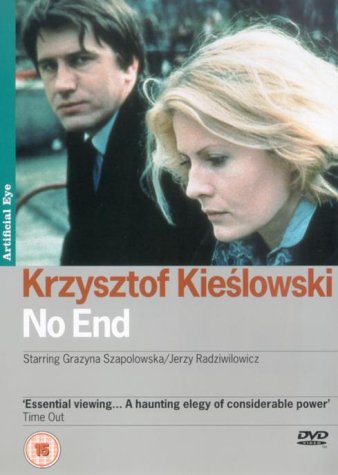
noendBez końca (No End), Krzysztof Kieślowski (1985, Poland). This is in no way science fiction, and it’s only Cold War-related inasmuch as its story takes place during the years of martial law in Poland after Solidarność was banned. A translator, whose lawyer husband died recently, struggles to make ends meet and bring up her son, while the ghost of her dead husband watches over her. But it’s Kieślowski, that’s all you need to know. You cannot call yourself a cineaste if you do not love Kieślowski’s movies.

in_the_dust_of_the_starsIm Staub der Sterne (In the Dust of the Stars), Gottfried Kolditz (1976, East Germany). During the 1960s and 1970s, East Germany’s Deutsche Film-Aktiengesellschaft, DEFA, made four big budget science fiction films: Signale – ein Weltraumabenteuer (1970), Der Schweigende Stern (1960), Im Staub der Sterne and Eolomea (1972). The last three are available in an English-language DVD box set, but I’ve yet to find the first in an English edition (and my German is a bit rusty – I struggled when watching Raumpatrouille Orion). In Im Staub der Sterne, a spaceship lands on a rescue mission on the world of TEM 4, only for the inhabitants to deny sending a distress call. Except there are two groups on TEM 4 in a sort of Eloi / Morlock relationship, as the crew discover, and it’s not hard to read it as an Eastern Bloc versus decadent West sort of thing. The film is also astonishingly kitsch, with some of the most bonkers seventies production design ever consigned to celluloid. Hunt down that DEFA collection box set, it’s totally worth it.

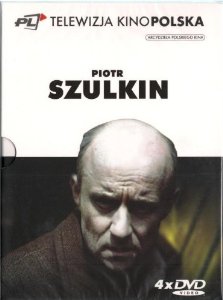
szulkinO-Bi, O-Ba. Koniec cywilizacji (O-Bi, O-Ba. The End of Civilisation), Piotr Szulkin (1985, Poland). Just because I can, I’m going to make my list six films. Mostly because this movie is so on point, it didn’t deserve to be an also ran – and yet I also wanted to include the ones I’d already chosen. O-Bi, O-Ba. Koniec cywilizacji is set entirely in an underground fallout shelter after some sort of nuclear holocaust – except there’s more going on than there initially seems. The shelter is not the shiny clean antiseptic complex you’d expect of a US Cold War movie, but a dirty ill-lit dungeon, a sort of confined post-apocalyptic wasteland in its own right. There’s a very black joke about the currency used in the shelter (Szulkin’s films all possess an amazingly dark humour). Telewizja Kinopolska have released a DVD box set containing O-Bi, O-Ba. Koniec cywilizacji, Wojna światów – następne stulecie (War of the Worlds – The Next Century, 1981), and Ga, Ga. Chwała bohaterom (Ga, Ga. Glory to Heroes, 1984), as well one of my favourite films, a 1993 short titled Mięso (Ironica), about the political history of Poland during the twentieth century and, er, meat products.

The also-rans? There’s Béla Tarr’s 2000 movie Werckmeister Harmonies from Hungary, which is about the Soviet occupation of Eastern Europe, but the film might have been a little hard to justify on genre grounds. Andrzej’s Żuławski’s Na srebrnym globie (On the Silver Globe, 1988) is definitely science fiction, but given that it’s adapted from a 1903 novel its Cold War credentials are a little harder to see – but Żuławski adapted the story so it read as a criticism of the Polish authorities… which they managed to spot and so shut down the production (the film was eventually completed ten years later, using stock footage and voice-over narration). Кин-дза-дза! (Kin-dza-dza!, 1986) by Georgiy Daneliya is a 1986 sf film in which a pair of Soviet innocents are dumped on a desert world in which two societies, the Chatlanians and the Patsaks, exist in near-conflict (which seems to be a common trope in Soviet sf cinema). And finally, there’s Pane, vy jste vdova! (You are a Widow, Sir!, 1971) by Czech director Václav Vorlíček, which is a sort of madcap and very silly sf comedy, involving assassins and brain transplants in an invented country, but it might be stretching the point to call it a Cold War film.