

Credit: NASA/JHUAPL/CIW
I look at the above photograph and I feel the sense of wonder I should be getting from science fiction. That picture is the surface of Mercury, as taken by MESSENGER, a space probe. That’s about ninety-two million kilometres from Earth (averaging out the distance between the two). A robotic spacecraft slightly smaller than a Mini, and weighing less than half a tonne, has spent the last six and a half years travelling from Earth to Mercury, and on 18 March will go into orbit about the planet nearest to the Sun.
Too much sf seems to treat the universe like a giant backyard. Characters hop into spaceships and zip off to some other star. But those distances are vast. MESSENGER took six and a half years to reach Mercury (admittedly it didn’t take a direct route). Even less than a century ago, other parts of this world were great distances away. In the 1930s, flying to Australia would take a fortnight. In the decades since, the world, as they say, has grown smaller. And science fiction has, in a manner of speaking, applied the same transformation to the universe – but more perhaps in terms of time and history rather than distance. Early space operas had starships flitting about the galaxy, without giving any real indication of scale. But it’s only with the advent of new space opera (it’s not worth capitalising it anymore, I think) that history has been folded into this shortening – near-immortal characters, or alien races who first came to prominence billions of years ago… Perhaps in the genre’s early days the distances involved were mostly unknown, and so unimaginable, that the minds of writers and readers simply skipped across their surface. Now we have a better understanding and so have compressed the lightyears and megaparsecs into something conceptually manageable, and have in turn colonised the millions and billions of years stretching back to the Big Bang and forward to the heat death of the universe…
And yet there’s little need to. There are wonders a-plenty in the universe, some of them so mind-boggling your mind ends up doing that skipping-across-the-surface thing. This morning, for example, I learnt that the red hypergiant VY Canis Majoris “could swallow our sun eight billion times over”. That’s absolutely enormous. Then there are the galactic filaments, which are simply so huge your mind core-dumps at the numbers concerned. But. Scale is not sense of wonder, and a lot of sf confuses the two. VY Canis Major may be enormously huge – but it’s also a star. Like the one up in the sky. Just much bigger. Or, to choose an example from a seventy-year-old space opera (see here): using planets as mobile fortresses is sense of wonder; a fleet of over a million starships is not. A photograph of the surface of Mercury, a planet in our Solar system, is sense of wonder; a galactic empire where planets are no more than a day or two of travel apart is not.
You might well think from what I’ve written in the past on this blog – and from the fact that I also have a blog dedicated to books about space – that my subgenre of choice is hard sf. But it isn’t. Chiefly because most hard sf is appallingly written. By “hard sf”, I don’t mean science fiction that is true to known science, but rather sf that features the “hard” sciences – physics, chemistry, cosmology, etc. Unfortunately, it’s a subgenre mostly written by scientists. And it shows. For instance, I really like the idea of Ben Bova’s Grand Tour novels – a series of novels set during the exploration and colonisation the Solar system – but I find them unreadable. Which is not to say all hard sf exhibits clanking prose, cardboard characters and an anal-retentive focus on science and technology. There are a number of hard sf writers whose stories and novels I appreciate and enjoy: Stephen Baxter, Paul J McAuley, Geoffrey A Landis, G David Nordley, immediately spring to mind. I also have David G Hartwell and Kathryn Cramer’s The Hard SF Renaissance
Of all the subgenres of sf, I probably read space opera more than any other. Some of my favourite sf authors write new space opera, and as a mode of genre writing I suspect it offers the largest canvas and has the biggest toolbox. But it also occupies a well-worn rut, and few books or authors seem capable of breaking, or willing to break, out of it. Its politics are often juvenile, its psychology rudimentary, and its plots little more than privilege wet dreams or revenge fantasies. Science and technology is replaced with toys festooned with flashing lights. It makes few concessions to reality and less to plausibility. It has confused scale with sense of wonder. The universe has become merely a backdrop of stars and not a source of wonder. It tells thrilling wonder tales, but they might as well take place anywhere – in Fantasyland, or some period from human history, or some corner of the world hidden from progress… What’s the point in making the stories space opera? What’s the point in using the universe and all its wonders as a setting? That’s confusing the furniture with the genre’s characteristics.
Perhaps space opera needs to take a long hard look at Mercury.

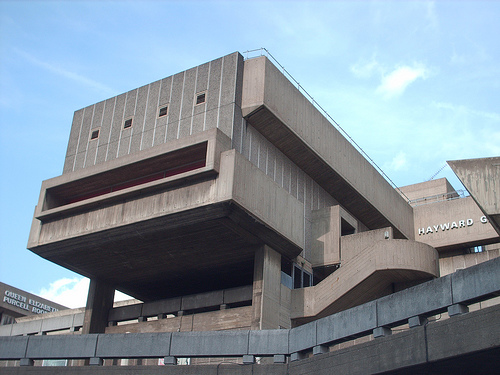


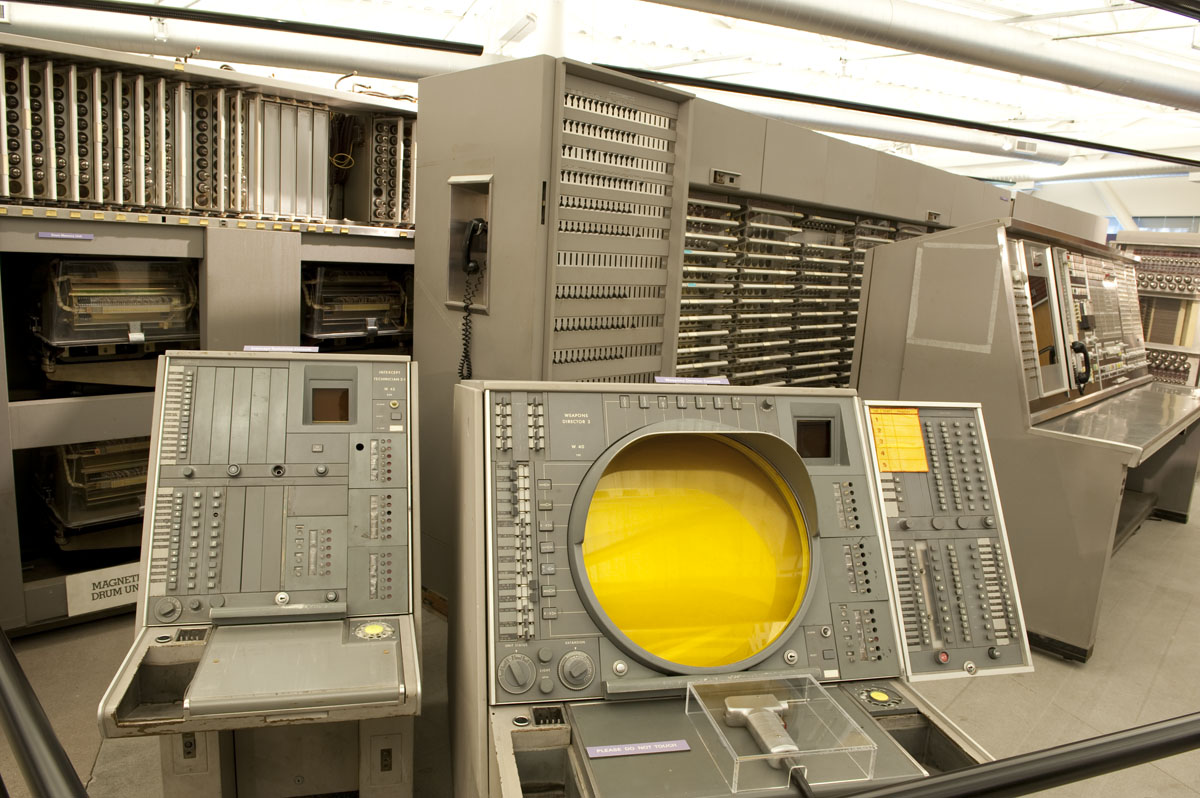
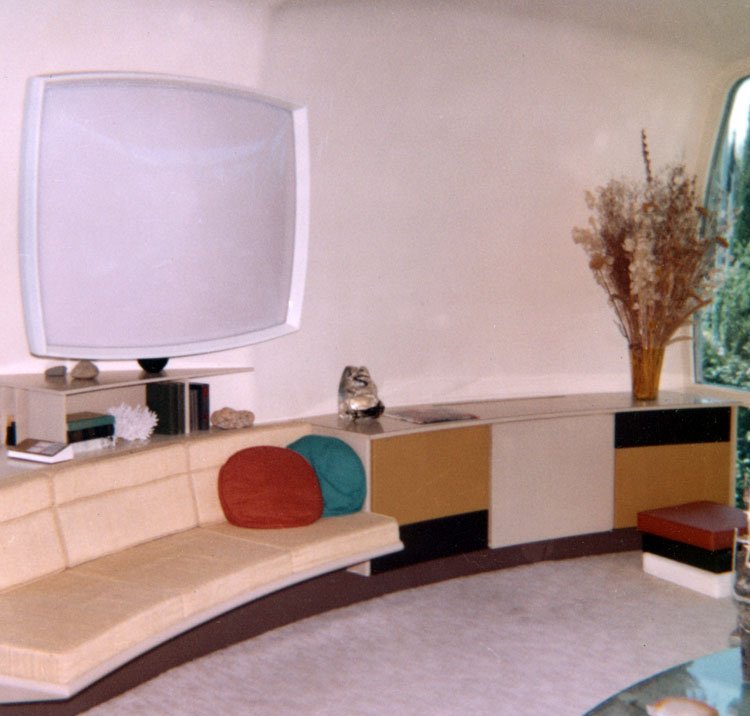
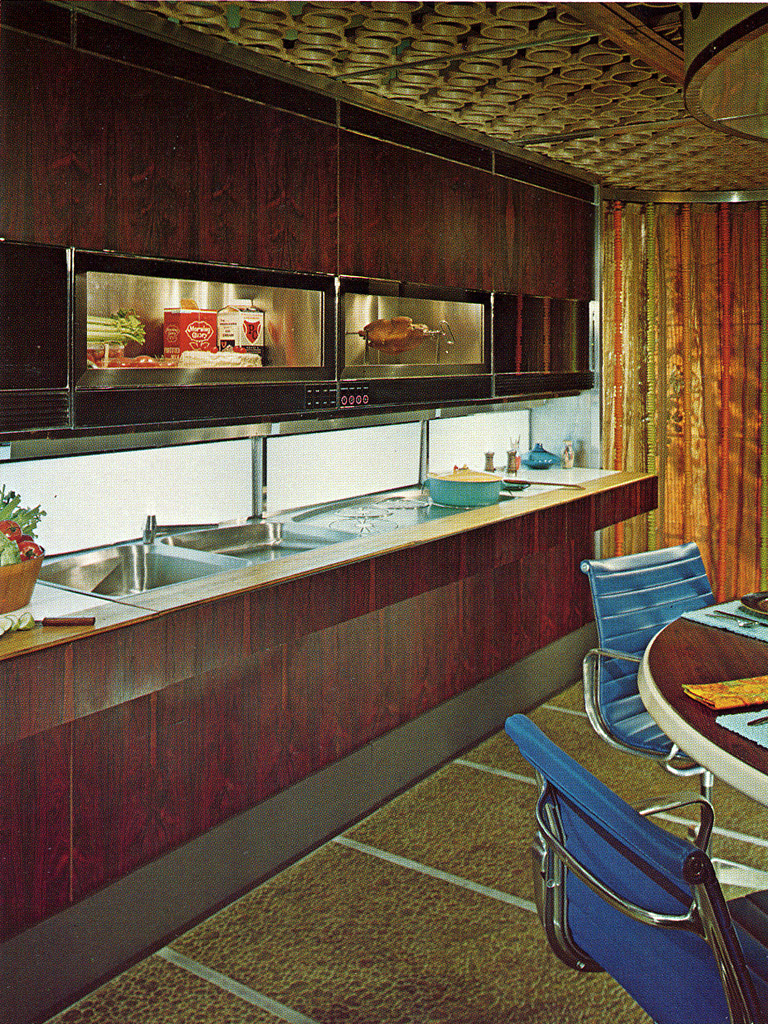

 , dir. François Truffaut (1966)
 , dir. Stanley Kubrick (1968)
 , dir. Norman Jewison (1975)
 , Frédéric Chaubin (2011)
 , Arthur Rüegg (2011)
 by, er, Kim Stanley Robinson.
 by Lawrence Durrell. I am a fan of all things Durellian.
 by David Wingrove which I have to review for Interzone. If not, then an ARC of
  by Hannu Rajaniemi given to me by a friend. It’s also my birthday in a few days, so I’ll no doubt receive a few books as presents…
 by David McCandless (birthday present for my sister).
 by Simon Raven,
  by Barry Jones, and
  by Andrew Chaikin.

 (review
  (review
  (review
  It Doesn't Have To Be Right...