
Tara Selter woke up one day, and it was the previous day. In fact, for reasons unexplained, she is reliving 18 November over and over again, much like Bill Murray in the movie Groundhog Day. In the first book – seven are planned – Tara explored the limits of her condition, spending time in Paris in a hotel, where she had slept the night before, repeatedly visiting the same friends – antiquarian booksellers like herself – again and again, even attempting to explain to them what was happening to her. She returned home, and tried the same with her husband. But she discovered the resources she used, food particularly, vanished from 18 November if she used them, and objects would disappear into 19 November if she did not keep them close to her.
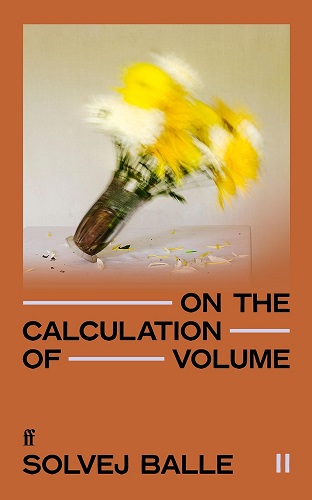
In this second book, Tara decides to try and live a year on the same day. She does this by moving around Europe so that the climate matches what it would be, approximately, on each day of the year had she stayed home in her village outside Paris. It’s a neat conceit, but for it to work Balle needs to get her details absolutely spot-on and, unfortunately, in a few places they didn’t ring true.
But that’s a minor quibble. Balle commits hard to her structure, and is rigorous in working out the details of living the same day again and again, even when it comes to travelling about Europe in search of the right climate for each calendar day of the year. The travel stretches Tara’s resources and ingenuity, as she has no knowledge of the previous day wherever she ends up, and Balle considers all the pitfalls and ramifications that might result.
There is something deeply satisfying in Balle’s careful working out of her central premise, and even after only two books in of a planned seven, the series promises interesting explorations of Tara’s situation.
 It Doesn't Have To Be Right...