
Not much to say about this one. A Regency romance with a transgender heroine and a hero who’s suffering with PTSD after Waterloo. I’m a fan of Heyer, so I know my Regency romances, and Hall does a spot-on job here. Yes, the dialogue is a little more “modern” than Heyer’s interpretation of Regency speech patterns, but that’s a deliberate choice by the author (explained in an afterword) and works well given what the story covers. (It’s also been argued Heyer’s dialogue was more invented than accurately historical.)
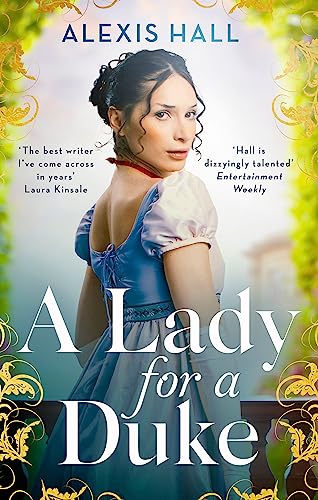
Viola Carroll returned from France after Waterloo determined to be her true self. But it seems her childhood friend, Gracewood, who fought alongside her at Waterloo, believes she’s dead, and has consequently been suffering, addicted to laudanum, ever since. A rescue mission north to Gracewood’s Northumbrian castle to ensure his younger sister gets a season in London results in Viola and Gracewood coming face to face – and he eventually realises who she is.
Of course, they end up in London, where young sister is a hit. Gracewood and Viola reconcile – even more so they realise they’ve always loved each other… but then young sister is kidnapped by a rake, so everyone pulls together, and a happy end is comfortably achieved.
Hall deftly navigates all the Regency tropes, and is careful to make sure the fact Viola transgender is not a plot-driver. If anything, Gracewood’s PTSD – unknown at the time, of course – impacts the plot more. This does however lead to far too many conversations where you want the two to stop ignoring propriety and accept what’s in front of them, but that’s in the nature of the genre.
It seems churlish to complain a romance is feel-good, when it features PTSD and possible transphobia, but Hall manages it. The updated speech patterns work well, and help ground the concerns of the novel. I recently reread Georgette Heyer’s The Masqueraders (1928, UK), and it all felt a bit inconsequential, and even a little offensive in parts, after A Lady for a Duke (2022, UK). I do think we should learn from fiction, and my opinion on Heyer’s novels has changed over the years, although I still find them fun, but when something comes along and uses that same language, and points out where, really, her novels haven’t done good by their subjects or inspirations… we should take notice.
 It Doesn't Have To Be Right...