It Doesn't Have To Be Right…

… it just has to sound plausible


1 Comment

A kind of library

So I did the usual and went and bought me more books – mostly for the collection, but a favourite author also had a new novel out, and I went a little mad one evening after watching a film and purchased everything I could find by that film-maker…

… which was Ben Rivers. The Sky Trembles and the Earth is Afraid and the Two Eyes are not Brothers (that’s the red one) was published to accompany the film of the same title. Ways of Worldmaking is about Rivers’s works. And then, on another night, fuelled by wine and Rivers’s Two Years at Sea, as I was writing about it for a Moving pictures post and comparing it with video art installations… and I remembered the excellent one I’d seen by Richard Mosse in the Hafnarhús site of the Reykjavik Art Museum last October… So I went looking online and found four books by Mosse. Both Richard Mosse  and Incoming were published to accompany a solo exhibition in the Barbican’s Curve gallery from February to April this year; the first was published by the Barbican, the second is signed. The other two books by him I found… well, Infra is $900 ($1000 for the collector’s edition), and The Enclave is $1050 ($2000 for the box set edition). A bit out of my range…

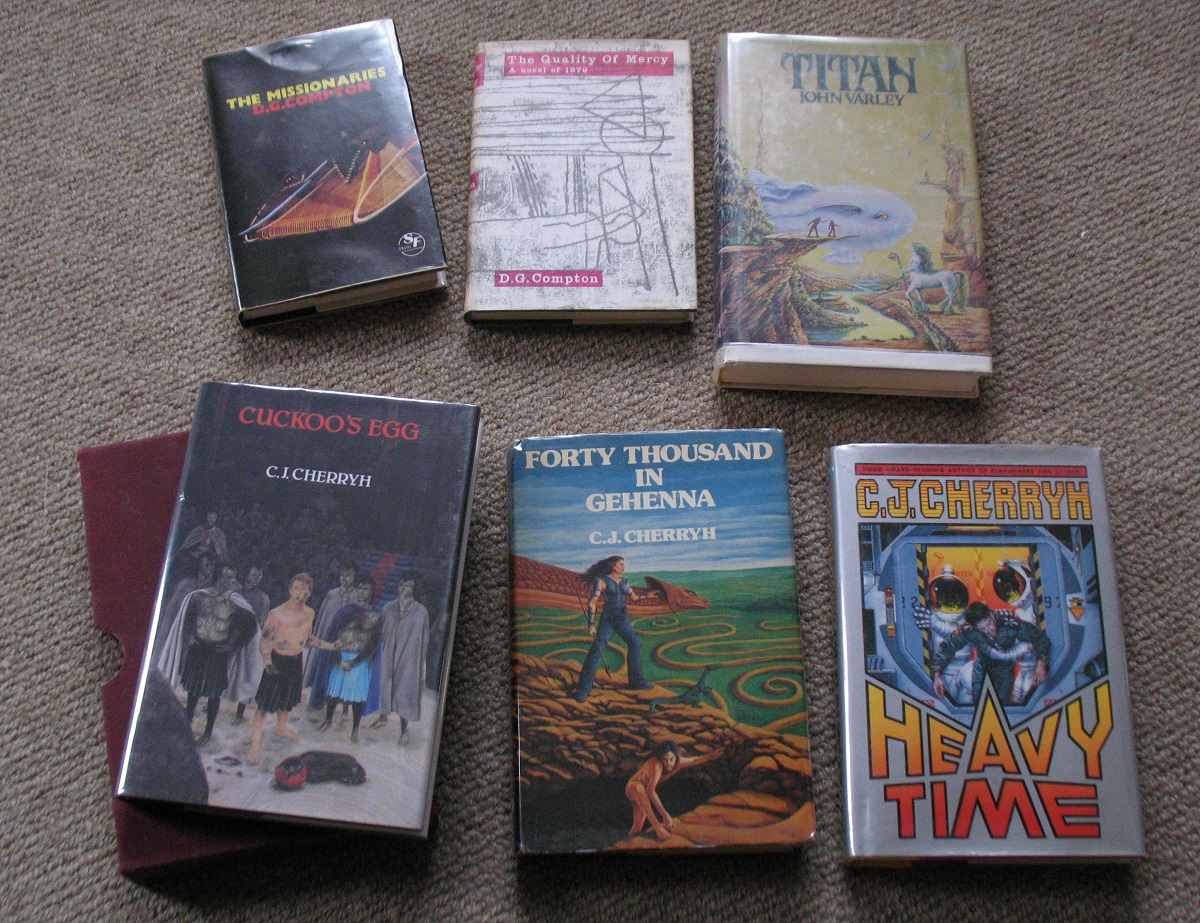
Some sf hardbacks for the collection. The Quality of Mercy was a lucky find on eBay. It’s really difficult to find a good copy, and I got it for a very reasonable price. I already have a copy of The Missionaries, but this was one was going cheap and in much better condition. Titan I bought for 10 euros from SF Bokhandeln’s stall at Worldcon75. It usually costs considerably more. Heavy Time is signed. Cuckoo’s Egg is signed and numbered – and the seller threw in Forty Thousand in Gehenna for free as he was trying to reduce stock (sadly, it’s not signed).

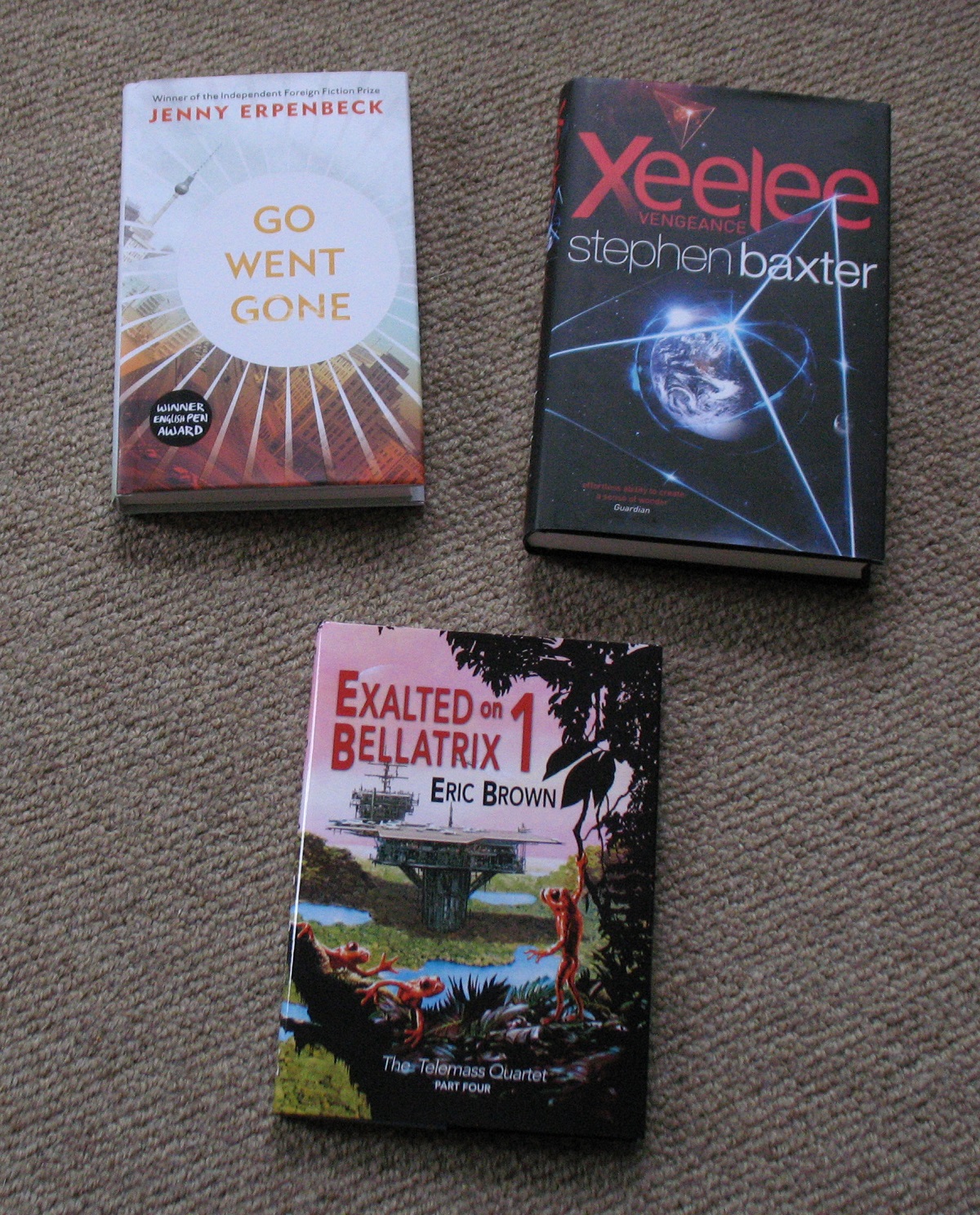
Some new hardbacks. Jenny Erpenbeck is a favourite writer, so I’ve been looking forward to Go, Went, Gone. The last Baxter novels I read were Proxima and Ultima and I thought them, to be honest, a bit juvenile. But he’s a hard habit to give up. Hence, Xeelee: Vengeance. If only he weren’t so fucking prolific… Exalted on Bellatrix 1 is, despite the title, the final book of Brown’s Telemass Quartet. They’re actually numbered in reverse, with the number referring to a planet of each novella’s eponymous star. Annoyingly, the other three use Roman numerals but this one doesn’t. Solid science fiction and typically Brownian – although the protagonist does come across as a bit creepily obsessive.

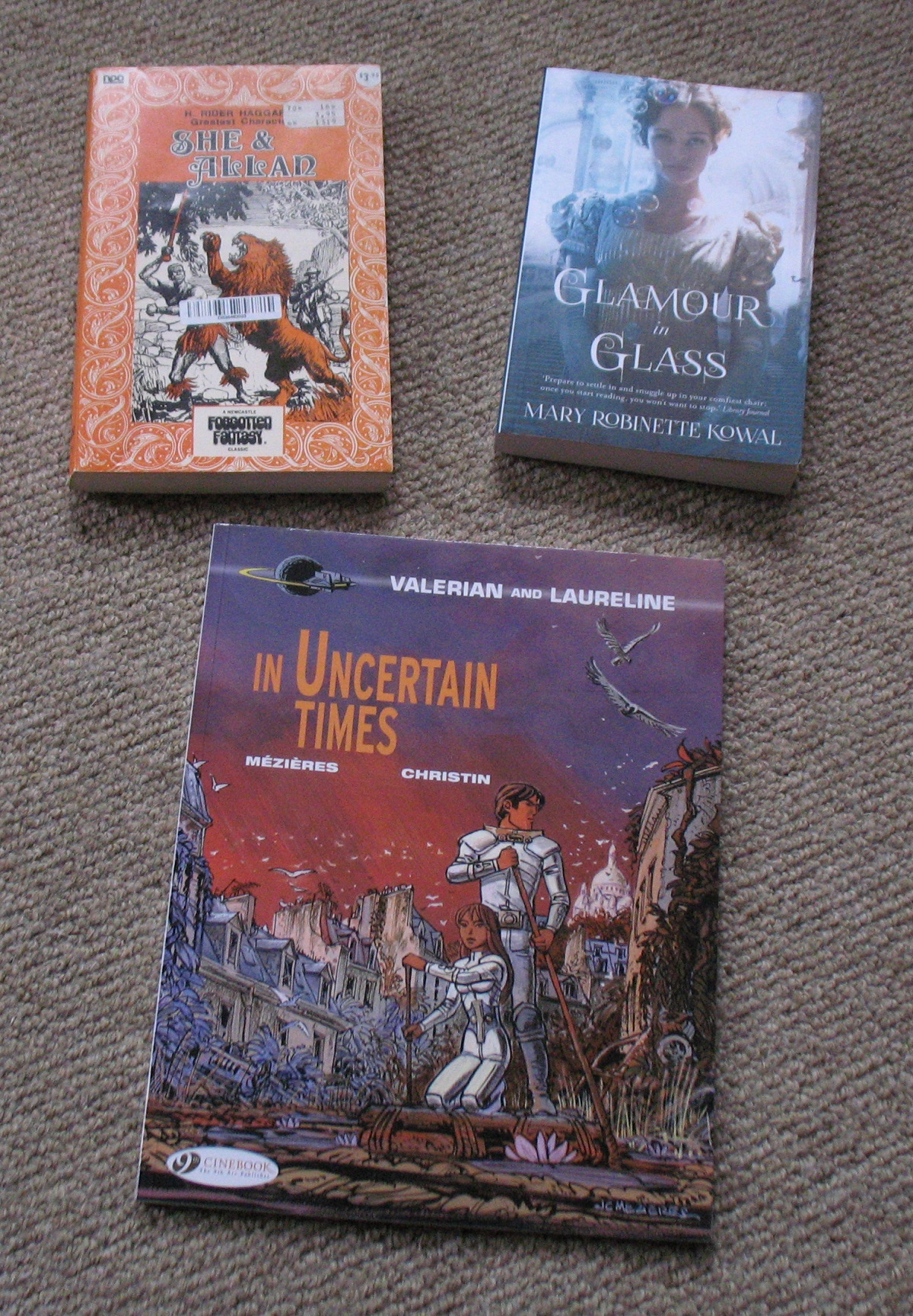
Two paperbacks and a graphic novel. Back in the 1970s, Newcastle Publishing issued a line of fantasy reprints, the Forgotten Fantasy Library. I’ve been picking them when I find them. She and Allan is the sixth book in the series. A recent Twitter exchange persuaded me to give Mary Robinette Kowal’s Glamourist Histories – or “lamourist histories”, as the spine has it – another go. Glamour in Glass is the second book in the series. Well, I do like Georgette Heyer’s novels… And In Uncertain Times is the eighteenth volume in the Valerian and Laureline series, and I see Cinebook are pushing them out at a much faster rate now, after the relelase of Besson’s film (which has apparently not done all that well, anyway).


2 Comments

The north face of Mount TBR

Looks like I’m going to need another clear-out soon. Normally, I dump the books I no longer want at local charity shops, but the more recent genre ones I save for the York and Sheffield pub meet raffles. However, I might stick a list up here of books for sale – I have a lot of 1980s sf paperbacks in very good condition (they were in storage for pretty much the entire 1990s). We’ll see. Meanwhile…

IMG_4155

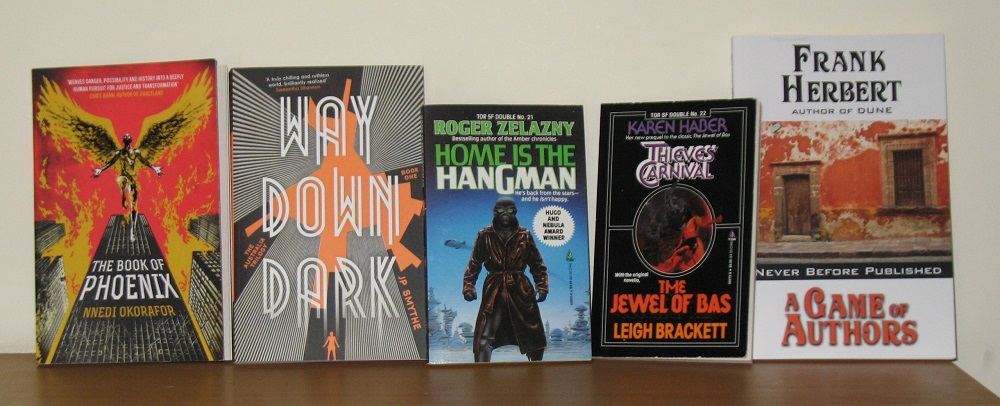
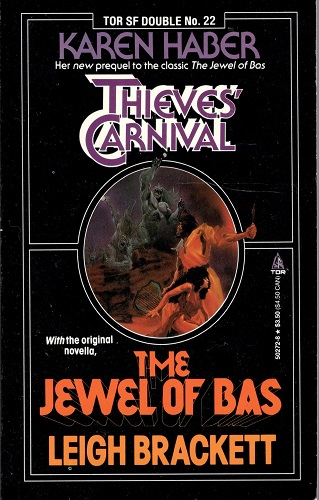
Some sf, recent and not so recent. I bought The Book of Phoenix and Way Down Dark because they were shortlisted for the Clarke Award. I read them. I was not impressed with either – see here. I’ve been picking up copies of the Tor doubles from the 1980s when I find them, although not all are worth reading; hence #21: Home is the Hangman / We, in Some Strange Power’s Employ, Move on a Rigorous Line… and #22: Thieves Carnival / The Jewel of Bas. A Game of Authors is actually not sf, but a thriller. WordFire Press (ie, Kevin J Anderson’s own imprint) has been publishing old manuscripts by Frank Herbert that never saw print, and I’ve been buying them. They’re interesting from an historical point of view, although, to be fair, I can see no good reason why they weren’t published back in the day.

IMG_4157

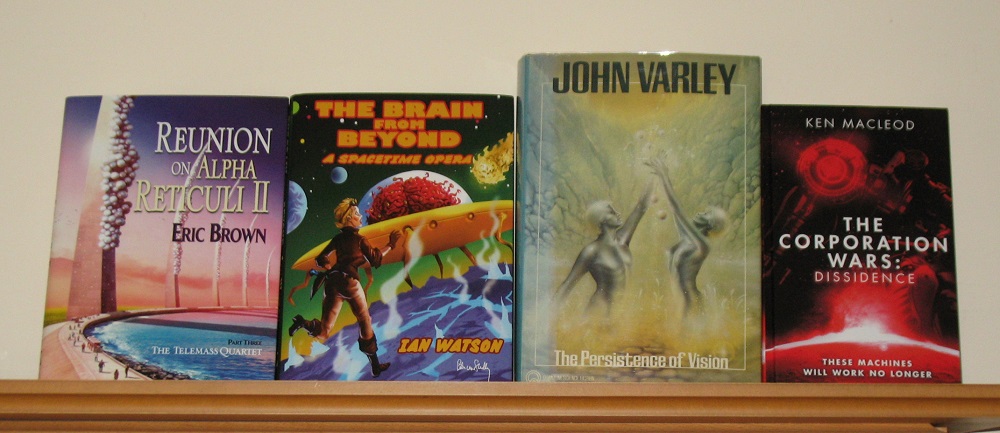
Some first editions for the collection. First up, the third book of Eric Brown’s Telemass quartet, Reunion on Alpha Reticuli II. Also from PS Publishing is The Brain From Beyond. Both were launched at Mancunicon, but the signed editions weren’t available at the con. The Persistence of Vision was a lucky find on eBay. I still rate Varley’s short fiction. And Dissidence is the latest from an author whose books I buy on publication.

IMG_4158

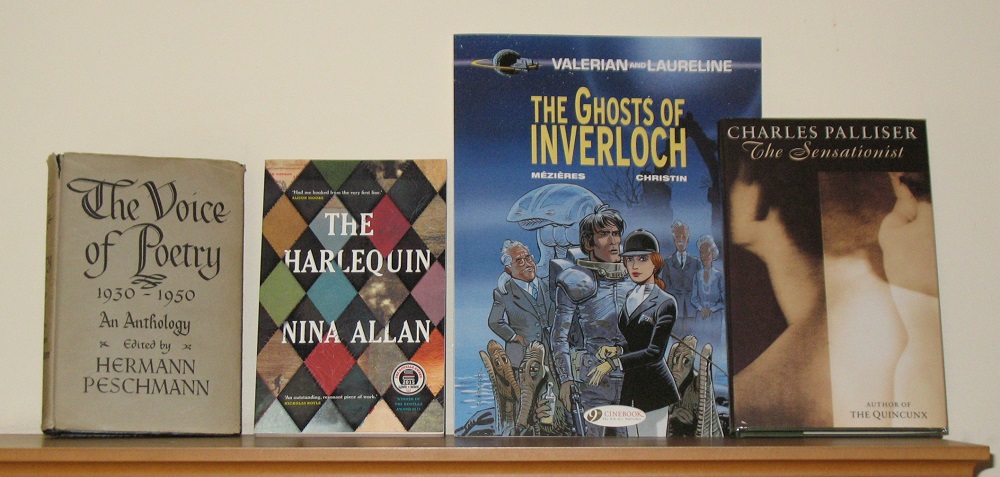
A mixed bag of fiction: The Sensationist is another Palliser for the collection. The Ghosts of Inverloch is the latest English translation of the bande dessinée series. The Harlequin is an award-winning novella, and The Voice of Poetry 1930 – 1950 I stumbled across on eBay and since I like the poetry of that period…

IMG_4159

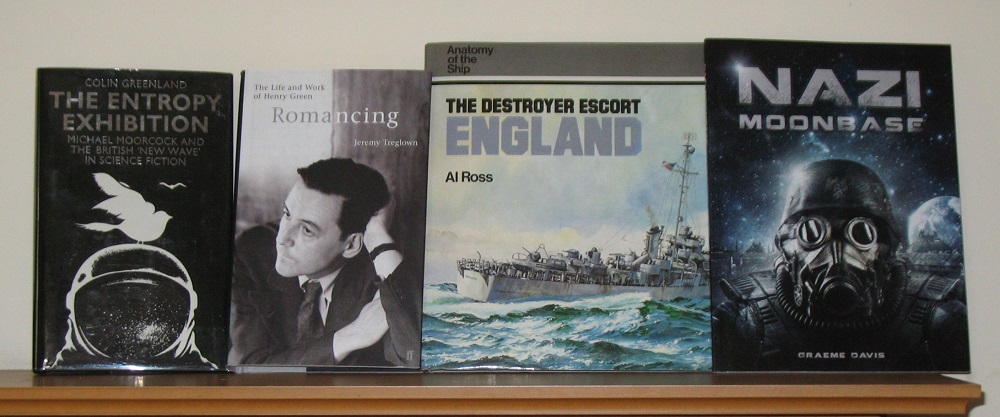
And a mixed bag of non-fiction. The Entropy Exhibition, signed, was a lucky find on eBay. I’ve been collecting the Anatomy of the Ship series when I find them going for a fair price – originally I bought them for research for my space opera trilogy, but now it’s just because they’re cool books: hence The Destroyer Escort England. When I saw spotted Nazi Moonbase on Amazon, I couldn’t resist it. Romancing is a biographical/critical work about Henry Green, an author I’m keen to read more of.


Leave a comment

Reading diary, #30

Bit of a mixed bag this time around. Three science fiction, two crime and one literary. Which is what my reading is like sometimes.

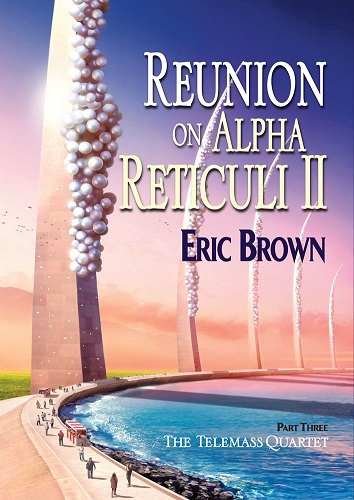
reunion-smallReunion on Alpha Reticuli II, Eric Brown (2016). This is the third novella in Brown’s Telemass Quartet (yes, I know; everyone seems to be doing them these days), each of which has been numbered in reverse in the title. The quartet follows the attempt by retired Dutch policeman Hendrick to rescue his terminally-ill-but-in-medical-stasis daughter from his estranged ex-wife, who is so desperate for a cure she’s trying all manner of alien mumbo-jumbo. Her attempts have, in the books so far, been bizarrely lacking a technological basis. And the same is true of Reunion on Alpha Reticuli II. Hendrick follows his wife to to the titular planet, a popular holiday world, notable for hotels which comprise huge concrete spikes from which hang glass bubbles (the rooms), as depicted on the cover. But Hendrick’s ex-wife is there to meet secretly with a member of a reclusive race… who claims to be able to save the daughter… Unfortunately, three novellas in and the series is beginning to feel a little formulaic. Brown draws his characters and his worlds well, but the plot in Reunion on Alpha Reticuli II feels more by-the-numbers than the previous two. It’s not helped by the introduction of a telepathic love-interest, who comes across as far too good to be true. I kept on waiting for the twist. There wasn’t one. Having said all that, if you’ve been following the Telemass Quartet, you know what you’re going to get. And Brown delivers. The second has, to my mind, been the best so far, but… there’s still one more to go.

tor_dbl_22-smallThieves’ Carnival / The Jewel of Bas, Karen Haber / Leigh Brackett (1990/1944). I’ve been picking up copies of Tor’s series of back-to-back doubles since first stumbling across a couple of them in a remaindered bookshop in Abu Dhabi. There were thirty-six published in total, between 1988 and 1991, mostly reprints but with the occasional piece of original fiction, and all by known names. (Although Haber here is probably better-known as an anthologist.) ‘Thieves’ Carnival’ is a prequel to Brackett’s story, and shows how the two main characters met and ended up married. While it’s set chronologically earlier, it should really have been the second story in this book. Brackett does her typically skilful job at setting up world and cast in ‘The Jewel of Bas’ – although, to be honest, this is not one of her best – and ‘Thieves’ Carnival’ would have proven a more interesting read as a pendant to Brackett’s. Which tells how Mouse and her husband, the minstrel Ciaran, are captured by minions of Bas – well, not exactly, it’s the two androids Bas built to attend him, it’s their minions who have been enslaving people in order to build an engine to save the world… because Bas is more interested in his dreamworld and has been neglecting things. In Haber’s prequel, Mouse is teamed with Ciaran in a thievery competition, and she decides to steal the Portal Cube… which proves to be some sort of time-travel device and its theft results in weird flashbacks to other times and places. The Brackett is not among her best – the story feels tired, the dialogue is clunkier than you’d expect, and the plot echoes a few too many other stories of the period. Haber’s prequel takes Brackett’s science-fantasy and ups the fantasy, turning the story into something more like a RPG adventure than an homage to Brackett. I get that publishers are often constrained when putting these series together in as much as they can only include those stories to which they could obtain the rights… but both of these are entirely forgettable.

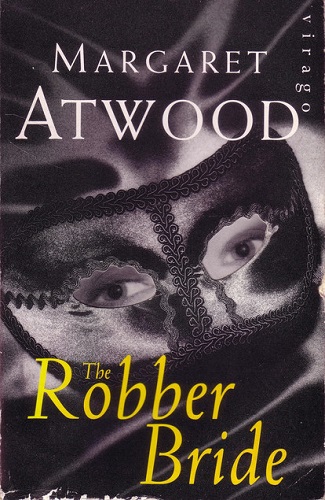
robberThe Robber Bride, Margaret Atwood (1993). Four women, who first met at university in the sixties, each have a run-in with a fifth woman, Zenia. But that’s all behind them, since Zenia apparently died in a terrorist bomb, and her depradations actually brought them together as friends, even though they sort of knew each other back in university… And then a woman walks into the coffee shop where the four have met for their weekly lunch, and they all recognise her: Zenia. The novel then takes each of the four women in turn, and tells their stories and how Zenia entered their lives and the damage she caused. There are, it sometimes seems to me, two Margaret Atwoods. There are the novels written by one Atwood, where the ideas are really good but the prose never really shines; and there’s the other Atwood, whose prose is beautifully put together and a joy to read. I’d say Oryx and Crake was by the first Atwood, and Alias Grace by the second. The Robber Bride is also by the second. I’ve not enjoyed, and been so impressed on a sentence-by-sentence level, by an Atwood novel since reading, well, Alias Grace. This is easily her second-best work. I have by no means read her entire oeuvre, although I do plan to work by way through it. But of those I’ve read so far, I’d put The Robber Bride second after Alias Grace (and yes, above The Handmaid’s Tale).

beastsBeast in View, Margaret Millar (1962). Reclusive rich spinster Helen Clarvoe receives a telephone call from a woman who threatens her. After quizzing the staff of the hotel where she lives and finding out nothing, Clarvoe contacts her investment manager, Paul Blackshear, and ask for his help. Since he has just retired, and he finds himself liking Clarvoe, he decides to investigate… which puts him on the trail of Evelyn Merrick, an old school friend of Clarvoe and the estranged ex-wife of Clarvoe’s brother – who is gay, but married Merrick in order to appear “normal” but it all went horribly wrong on the honeymoon. While Blackshear runs around Los Angeles trying to track down Merrick before she makes good on her threat – and stumbling across a few of the Clarvoe family secrets, a murder, and increasing evidence that Merrick is completely deranged… But there’s a clever twist in the tail. I pretty much read this in a single sitting one Sunday afternoon. Worth a go.

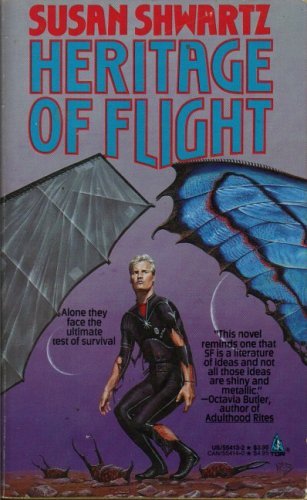
heritageHeritage of Flight, Susan Shwartz (1989). I read this to review on SF Mistressworks. I read Shwartz’s Grail of Hearts many years ago and really liked it – I must reread it one of these days – so I was pretty keen to try some of her actual science fiction. And eventually I stumbled across a copy of Heritage of Flight at Mancunicon earlier this year (on the Porcupine Books stall in one of the dealers’ rooms). But what I liked about Grail of Hearts was its repurposing of Arthurian legend as a romance, where as Heritage of Flight is pretty much a straight-up sf novel of the 1980s. In other words, a bit disappointing. It has its moments, but it’s by no means a great book. And that cover art is pretty misleading. A review of it will appear on SF Mistressworks later this week.

zagrebThe Lady from Zagreb, Philip Kerr (2015). Kerr admits in an afterword to this tenth volume in the Bernie Gunther series that he had planned to retire his Kripo/SD detective after nine books. He also admits there is another volume to follow this one, The Other Side of Silence (which is on the TBR)… And it seems there’s going to be a twelfth volume too, Prussian Blue, according to Wikipedia. Not that I’m complaining. These are superior detective novels, and Kerr’s research and level of historical detail is impressive. It is, of course, getting harder to stitch stories into Gunther’s life, but that’s hardly surprising – and while inconsistencies might pop up when reading the series from start to finish, I’ve not noticed any in my intermittent, albeit chronological, read of the books. The Lady from Zagreb opens in the 1950s. Gunther is a house detective for a hotel on the Riviera. He goes into a cinema and watches a film starring 1940s German star Dalia Dresner… with whom he was romantically involved back in 1942. Which is where the story abruptly shoots back to. It’s a fairly standard plot, perhaps even a noir staple, but by setting it in Nazi Germany during World War II, and framing it around the events of earlier novel, A Man Without Breath, but following on from Prague Fatale, Kerr gives the story an added dimension. Basically, Dresner gets Goebbels to task Gunther with tracking down her Croatian father, currently a monk in Nazi-occupied Yugoslavia. Except things are not as clear-cut as they seem, including Dresner’s own marriage in neutral Switzerland. One day, someone should make a TV series of these books. They’re really very good.

1001 Books To Read Before You Die count: 124


6 Comments

Reading diary, #26

Some fast reads and short books have helped me catch up on my Goodreads reading challenge, which is perhaps not the best way to choose books to read, but never mind.
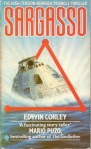
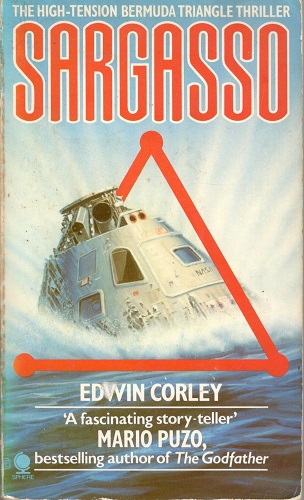
sargasso_smSargasso, Edwin Corley (1977). A 1970s technothriller is not my normal reading, but since this one features both an Apollo space mission and underwater exploration… The initial set-up is intriguing: the command module for Apollo 19 splashes down in the Atlantic after its crew have spent time aboard a Soviet spacestation in an ASTP detente-in-orbit type exercise… but when the CM is opened, it’s empty. No astronauts. And yet Mission Control was communicating with them as they left orbit and fell to Earth. After much guff about the Bermuda Triangle – as that’s where the splashdown occurs – and an ocean survey ship with a submersible which experiences a total power failure seconds before the splashdown… Not to mention a re-enactment of Flight 19, and a man who has been alive for more than a hundred years… It all turns out to be payback for a dastardly plot by those evil communistic Soviets. A back-cover quote praises the book’s research, but I thought it pretty slipshod. Not that the book made much of an effort at detail anyway. The prose barely rose to workmanlike, the cast were the usual stereotypes, and sometimes I wonder why I bother reading some books…
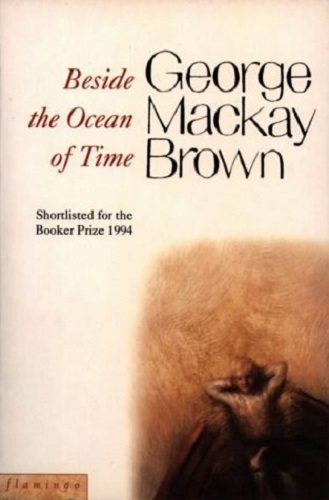
beside_oceanBeside the Ocean of Time, George Mackay Brown (1994). Thorfinn Ragnarson is an idle dreamer, the schoolboy son of a subsistence farmer on the invented Orcadian island of Norday, and considered mostly useless by all who know him. Various incidents set off daydreams, in which Thorfinn imagines himself in assorted historical roles – aboard a Viking ship which makes for Byzantium, the squire of a knight on his way to Bannockburn, a member of the people who built the brochs, press-ganged into the English fleet to fight the French republicans… But there is also a section which describes life on Norday at the time the novel is set, the 1930s, and centres around the mysterious young woman who comes to stay with the local reverend. This was my first experience of reading Mackay Brown, and I’m sure it’s my thing. I found the prose very simple and declarative, and while there were occasional  moments of lovely imagery, much of it struck me as quite sketchy. The setting, of course, had its own fascination, and I actually spent an hour or so looking up brochs after reading about them in Beside the Ocean of Time (and even considered buying a book on the topic). There are some authors, you only need to read one novel or novella, and you want to explore their oeuvre further. While I liked Beside the Ocean of Time, and may well pick up copies of Mackay Brown’s books if I see them in charity shops, I’m not minded to actively seek out his other works.
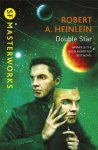
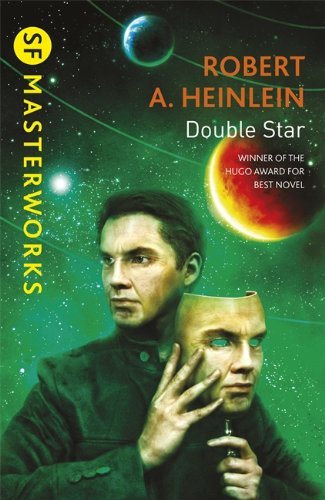
double_starDouble Star, Robert Heinlein (1956). As far as I was aware, this was one of the less objectionable novels in Heinlein’s oeuvre, and I’ve seen much praise for it which was careful to make that point. And yet I have to wonder if those people had actually bothered reading it recently. I can understand a thirteen-year-old lapping it up, and nostalgia putting even more of a shine on the book many decades later… but there’s no way Double Star stands up to scrutiny for anyone with a modicum of intelligence, taste or sensitivity. What else to think of a novel that contains the line “a woman will forgive any action, up to and including assault with violence, but is easily insulted by language”? And there is only one female named character in the entire book. And she’s the hero’s personal assistant. The world-building is also piss-poor, something at which Heinlein is normally quite good. It’s not just the idea of a Solar System-wide empire ruled by a member of the House of Orange, or Mars, Venus and Jupiter having native intelligent life, or the really clunky technology (much of which is behind the state of the art for 1955)… Everything just feels weirdly anachronistic and old-fashioned, even for sf of the 1950s – no, especially for sf of the 1950s. Then there’s the lectures on free trade, all of which are patent bollocks. (Free trade does not generate wealth, it concentrates wealth. In the hands of those who already possess wealth. History has been telling us this for centuries.) An actor is asked to impersonate an important politican who has been kidnapped, but is desperately needed at a ceremony which will result in a treaty with the Martians. The actor does so, the politician is rescued but proves too ill to return to his job, and so the impersonation continues… As far as I know, Double Star was never published as a juvenile, but it’s hard to believe it was aimed at an adult audience.
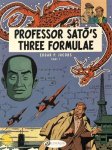
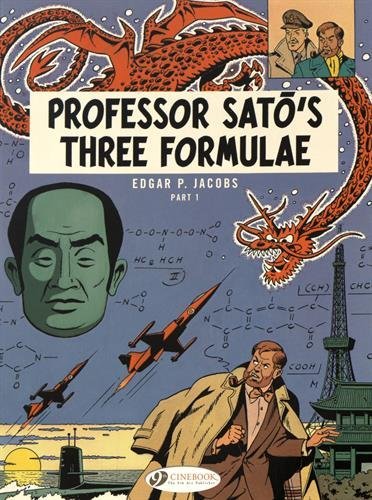
prof_satoThe Adventures of Blake & Mortimer 22: Professor Satō’s Three Formulae, Part 1, Edgar P Jacobs (1971). I first stumbled across Blake & Mortimer back in the 1990s when I lived in Abu Dhabi. If I remember correctly, it was upstairs in Card Zone, where the shop sold books – and some of their stock went back a decade or more. I found a bunch of English-language editions of some bandes dessinée from the late 1980s, one of which was Atlantis Mystery, the seventh in the Blake & Mortimer series. For whatever reason, only half a dozen of the Blake & Mortimer books where published in English… until 2007, when Cinebook began publishing the entire series in English, both Jacobs’s originals and those produced after his death by the Edgar P Jacobs Studio. However, they’ve not been following the original publication order, which is why Professor Satō’s Three Formulae, books 11 and 12 in French, has been published as books 22 and 23 in English (the latter due in May this year). I have to admit I prefer the ones written after Jacobs’s death. While Jacobs was careful to get his details right – in this one, for example, set in the early 1970s, the aircraft and cars are all shown accurately – but the science-fictional aspects are often quite silly. Those written by other hands seem to me to be more careful at making their stories plausible – even going so far as to integrate them into real history. In Professor Satō’s Three Formulae, Part 1, the eponymous scientist has invented a type of robot, which he has built in the form of a ryū. But it somehow escapes his secret laboratory and destroys two fighter jets from the Japanese Air Defence Force. Convinced there is a conspiracy afoot to steal his ideas for nefarious pruposes (there is, of course), Satō calls for his old friend Mortimer for help. Satō has also distilled his research into three formulae, which he plans to give to Mortimer for safe-keeping. Of course, it all goes wrong. Not one of the better books in the series, although I admit I’ve enjoyed reading them and have no plans to stop.
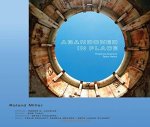
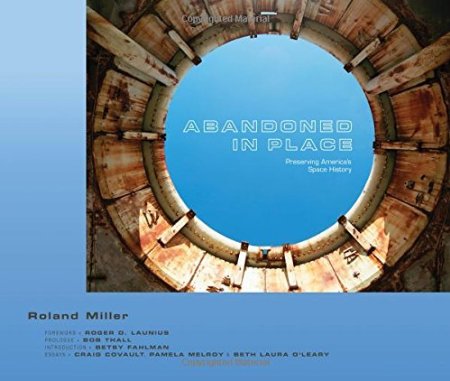
abandonedAbandoned in Place, Roland Miller (2016). Rockets, of course, need somewhere to launch from, and such structures need to be pretty damn sturdy given the beating they will take. So fifty years later, it’s no surprise to discover there are relics and ruins still scattered about the US: block houses, test stands, launch complexes… Some have been demolished since Miller photographed them, some have been repurposed, but many are simply too difficult to destroy. There’s something sadly emblematic about the photos in this book, the fact that the structures they document are all that’s left of the optimism which put twelve men on the surface of the Moon. And they’re in a state of abandonment. It has been argued that NASA’s space programme was the nearest to a socialist economic policy the USA has ever implemented, and I can see how the argument has merit – by spreading the bounty throughout the country in order to win political support, it uplifted towns and states both financially and technologically. There’s a certain level of irony in that. And yet, like the USSR, the only evidence of its existence are ruins – and the world was a better place when both were thriving.
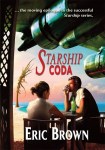
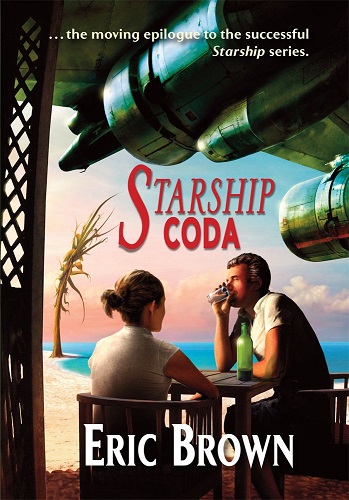
starship-coda-hc-by-eric-brown_smStarship Coda, Eric Brown (2016). Ten years after the events of the Starship Quartet, narrator David Conway is mysteriously contacted by his ex-wife, whom he left before the events of the first novella in the sequence, Starship Spring. She wants to know how he managed to get past the death of their daughter in a drowning accident – the event which drove them apart, and drove Conway from Earth to Chalcedony. The answer, of course, lies in the events of the preceding four novellas. But Conway’s ex-wife duly appears, and it seems she has undergone a drastic procedure in search of closure: Age Reversal Therapy. Which is exactly what the name says. Starship Coda successfully matches the tone of the earlier novellas, although at less than 40 pages it’s a thin book. There’s a sort of comfortable languidness to the world and story, although the focus of the prose is very much on the narrator’s emotional landscape. In fact, there’s something very relaxing about the story – it’s sort of affirming, without being cosy. And while the road to the conclusion may not be smooth, you know there’s happiness at the end of it. And I’m not embarrassed to admit I’d sooner read books like that than I would dystopias, post-apocalypses or anything which professes to be “grimdark”.

1001 Books You Must Read Before You Die count: 122


1 Comment

Easter bounty

Surprisingly, I only bought three books at this year’s Eastercon. Admittedly, the dealers’ room was was a bit lightweight compared to previous years. I also picked up four free books… Even so, that still makes it a considerably smaller book haul than I usually manage at cons. I blame online retailers… several of which I have visited in the past few weeks and made purchases…

2016-04-03 11.14.11

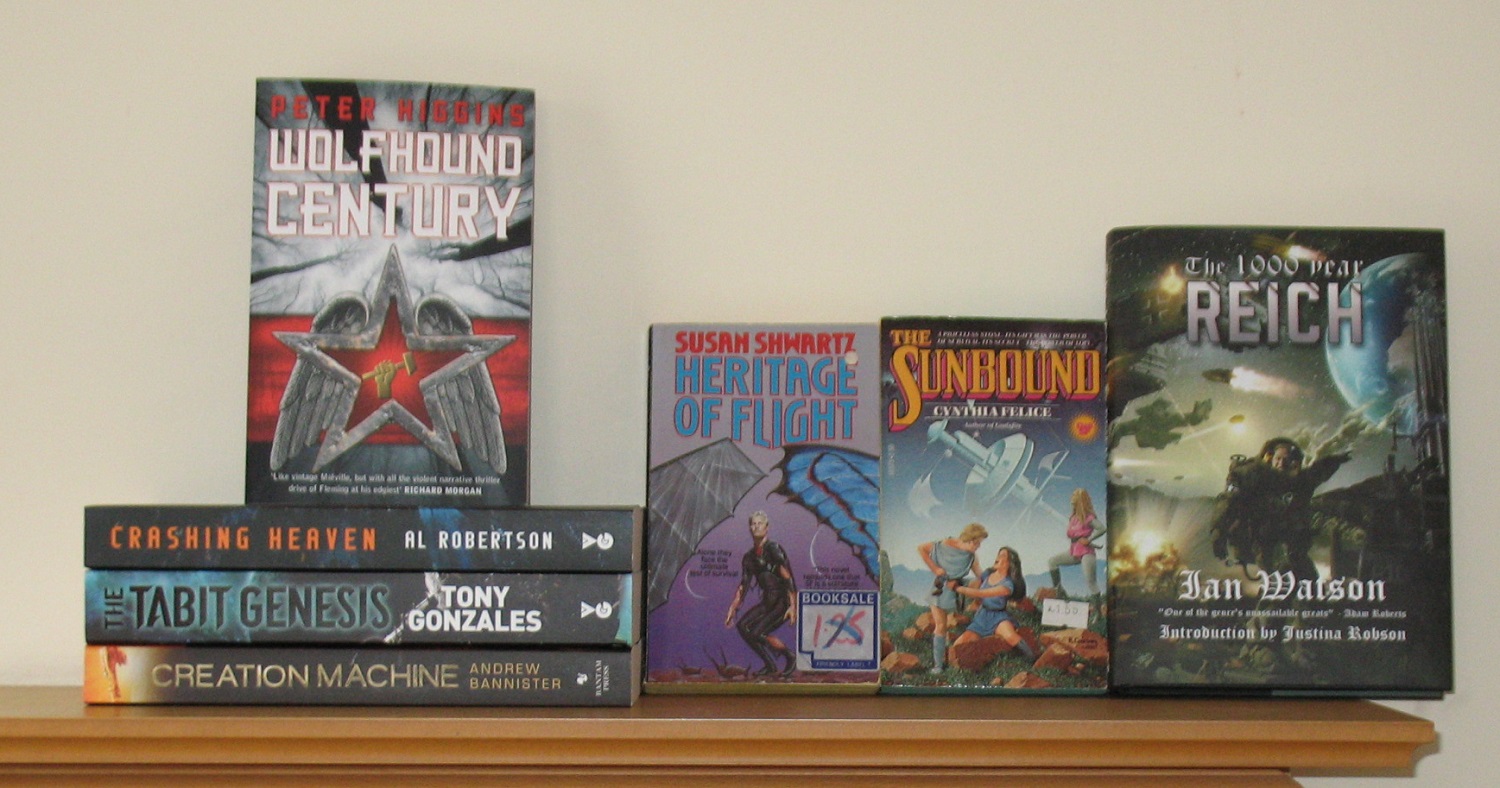
First, the Mancunicon haul: I was at the NewCon Press launch in the Presidential Suite on the twenty-second floor of the Hilton Deansgate, but I didn’t buy a copy of The 1000 Year Reich until the following day. Both The Sunbound and Heritage of Flight I bought to read for SF Mistressworks – I’ve been after a copy of the latter for a while, as I very much like the only other book by Shwartz I’ve read, The Grail of Hearts. There was also a table of giveaways from various major imprints, which is where I picked up copies of Creation Machine, The Tabit Genesis, Crashing Heaven and Wolfhound Century.

2016-04-03 11.15.31

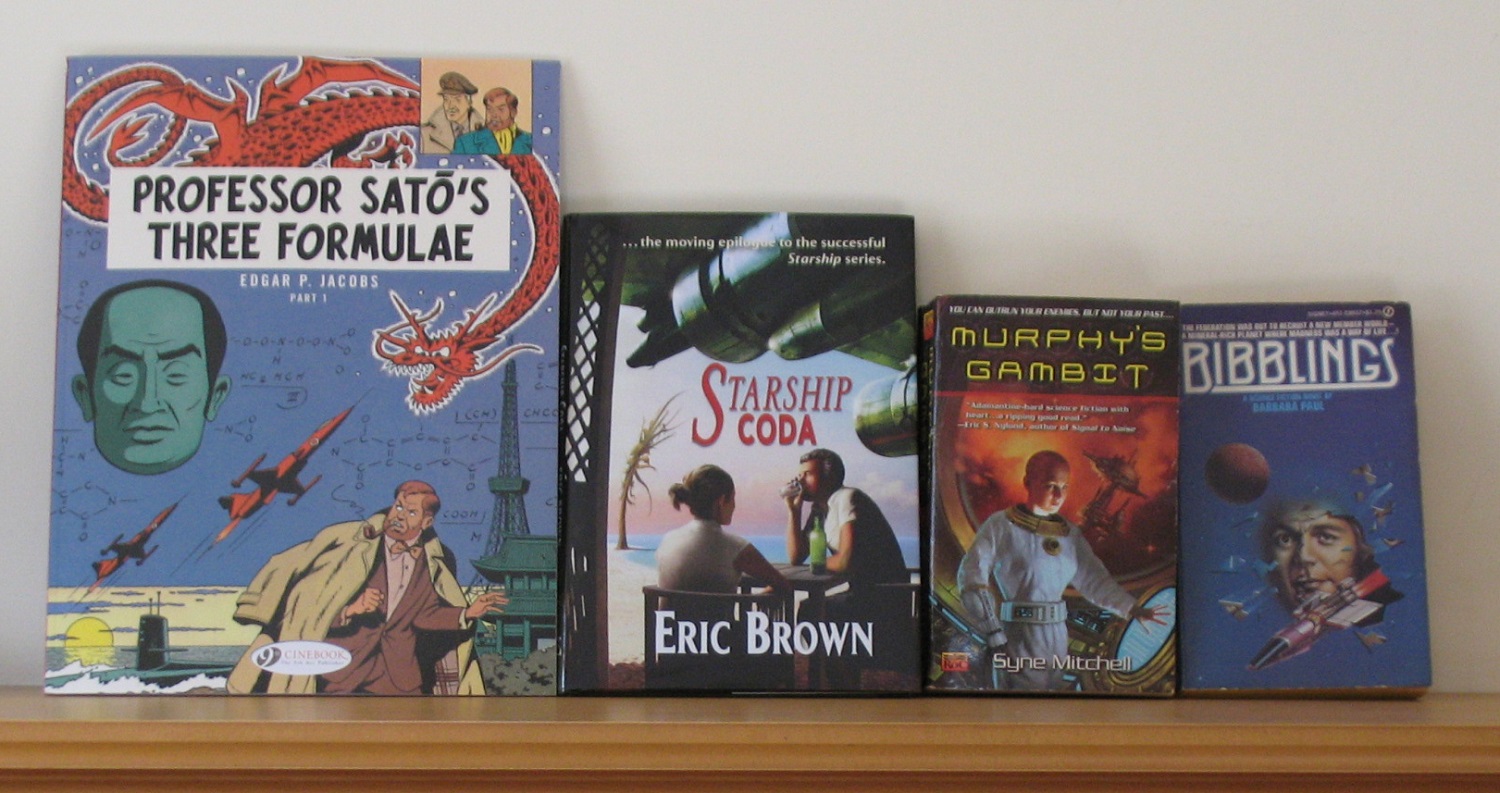
Speaking of SF Mistressworks, both Bibblings and Murphy’s Gambit were bought on eBay to review there – in fact, I’ve already Bibblings, see here. Eric sent me a copy of Starship Coda (although it was launched at Mancunicon), after I gave him a copy of Dreams of the Space Age. Professor Satō’s Three Formulae, Part 1 is the twenty-second volume in Cinebook’s English-language reprints of the Adventures of Blake and Mortimer, purchased from a large online retailer…

2016-04-03 11.17.46

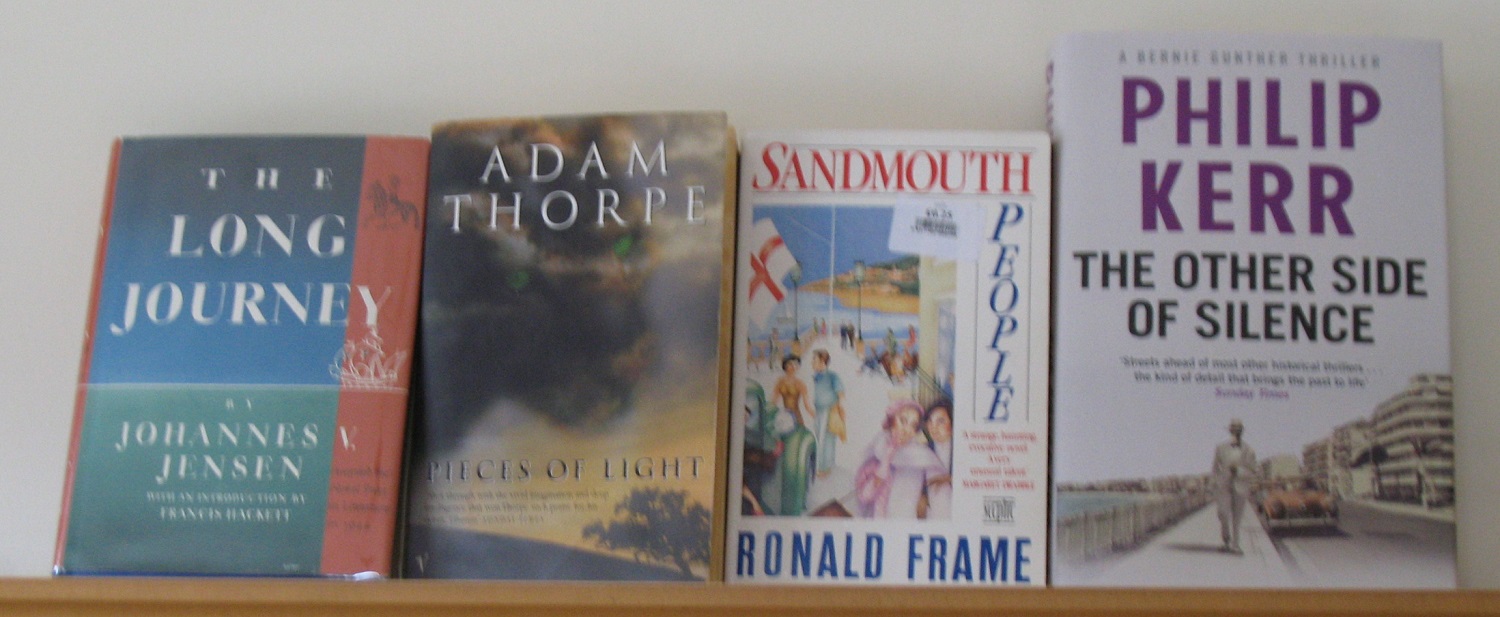
… which is also where I bought The Other Side of Silence, the eleventh book of Kerr’s Bernie Gunther series. Sandmouth People and Pieces Of Light were both charity shop finds. The Long Journey I bought from a seller on ABEbooks after reading about it, I seem to recall, in Malcolm Lowry’s In Ballast to the White Sea, and deciding it sounded really interesting. Jensen, incidentally was awarded the Nobel Prize for Literature in 1944.

2016-04-03 11.19.32
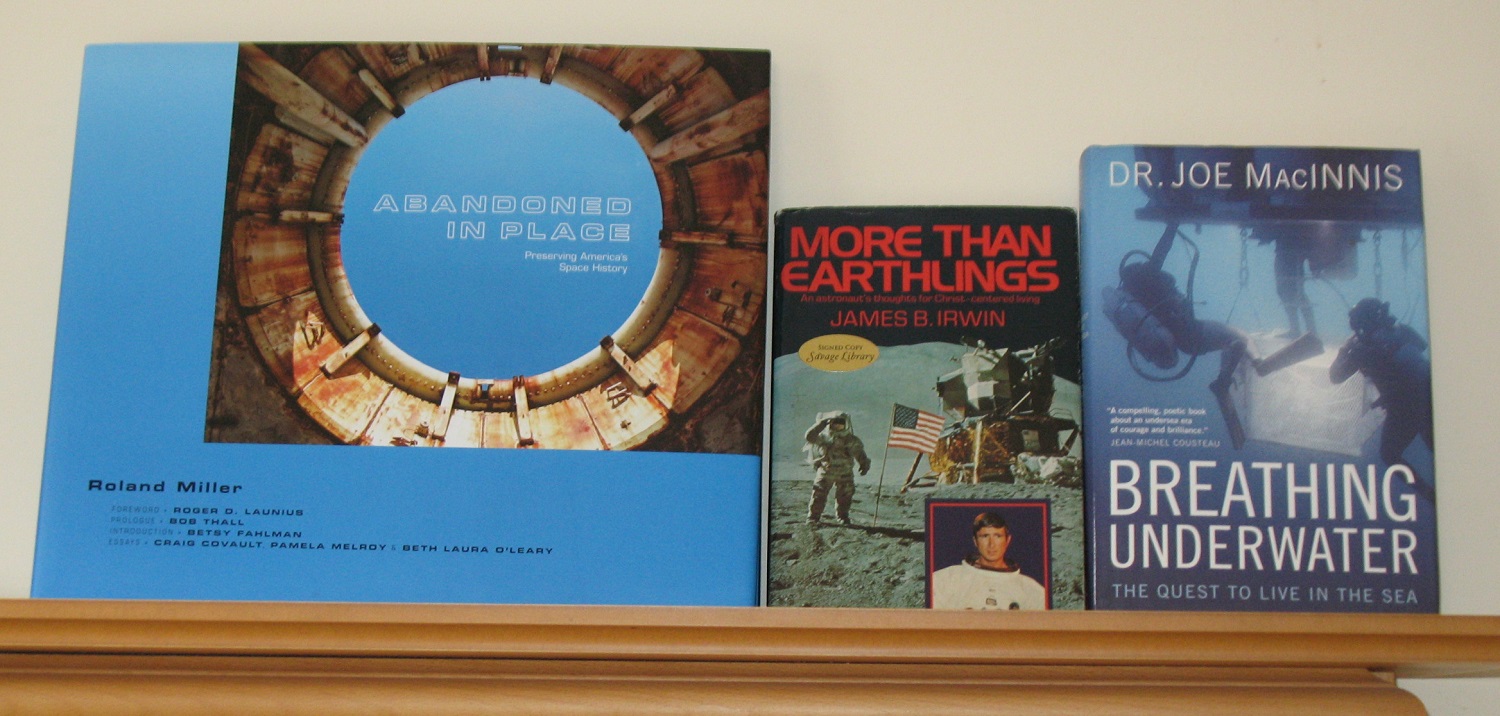
Breathing Underwater by Joe MacInnis I also bought on ABEbooks. MacInnis has been at the forefront of underwater research for several decades, ever since being taken on as doctor on Ed Link’s Sea Diver back in the 1960s. More Than Earthlings, Jim Irwin’s second book about his Moon flight, I found on eBay; it is signed. And Abandoned in Place is a photo essay on the support hardware used by the space programme, much of which has been left to rot as it’s no longer in use.


Leave a comment

March madness

Well, not strictly March – after all, we’re less than a week into the month. Some of the following were bought during February. Obviously. So far this year I’ve managed to chip away at the TBR, by reading more books than I’ve bought each month… but I think I might have a bit trouble doing that in March. Especially since it’s the Eastercon at the end of the month… Oh well, never mind. I’m sure I’ll get around to reading them all. One day…

2016-03-05 10.26.07

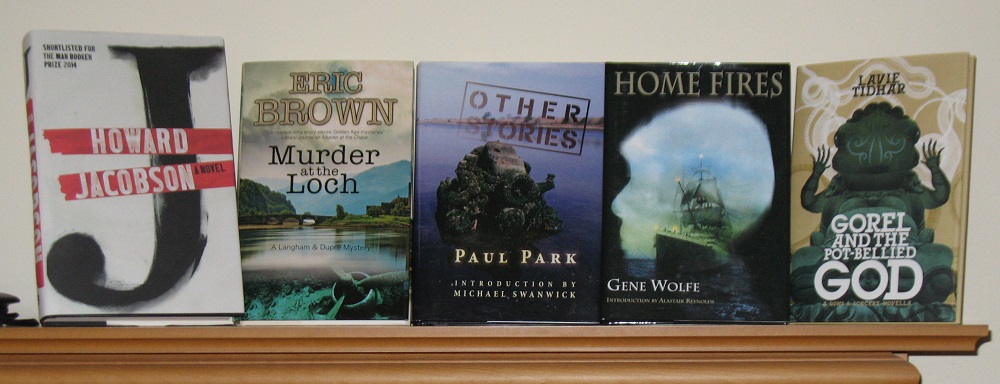
Some first editions. I’m not a huge fan of Wolfe’s novels, but PS Publishing recently set up a discount website, and they only wanted £6 for a signed and numbered edition of Home Fires. That’s also where I bought Gorel and the Pot-Bellied God. For £4. Bargain. I recommend visiting PS2. Other Stories I’ve been eagerly awaiting for more than a year as I am a fan of Park’s writing. Murder at the Loch is the third of Eric Brown’s entertaining 1950s-set murder-mysteries. And my mother found J: A Novel for me in a charity shop.

2016-03-05 10.27.32

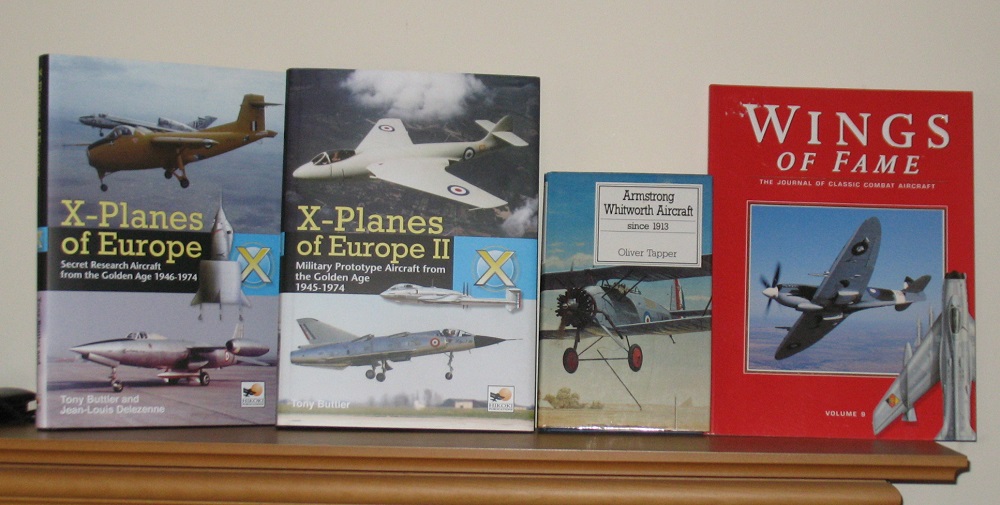
Aeroplanes… I’ve been picking up copies of Wings of Fame whenever I see good condition copies going for a reasonable price on eBay. Now that I’ve finally found a copy of Volume 9, I have eighteen of the twenty volumes. I’ve also been doing the same for Putnam’s Aircraft Since 19– series, although I forget why I began buying them in the first place. And with Armstrong Whitworth Aircraft Since 1913, I now own sixteen of them. X-Planes of Europe and X-Planes of Europe II I saw on Amazon, and I’m fascinated by the aircraft designed during the Cold War which didn’t make it into production.

2016-03-05 10.29.02

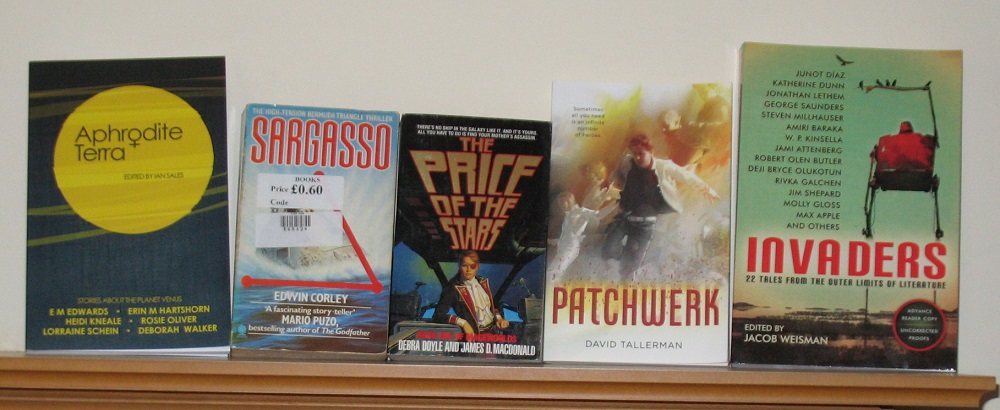
Some of yer actual science fiction. Invaders is an anthology of genre fiction by literary fiction writers; I’m reviewing it for Interzone. Patchwerk was given to me by the author; I wrote about it here. The Price of the Stars I bought to review for SF Mistressworks (it has a male co-author, but that’s no reason to ignore it). Sargasso I found in a charity shop, and looks to be a techno-thriller potboiler about an Apollo mission. And finally, Aphrodite Terra is a thing at last – a paperback thing, that is; it’s been an ebook thing since the middle of December (although Amazon have yet to figure out the two editions are of the same book…).

2016-03-05 10.29.43

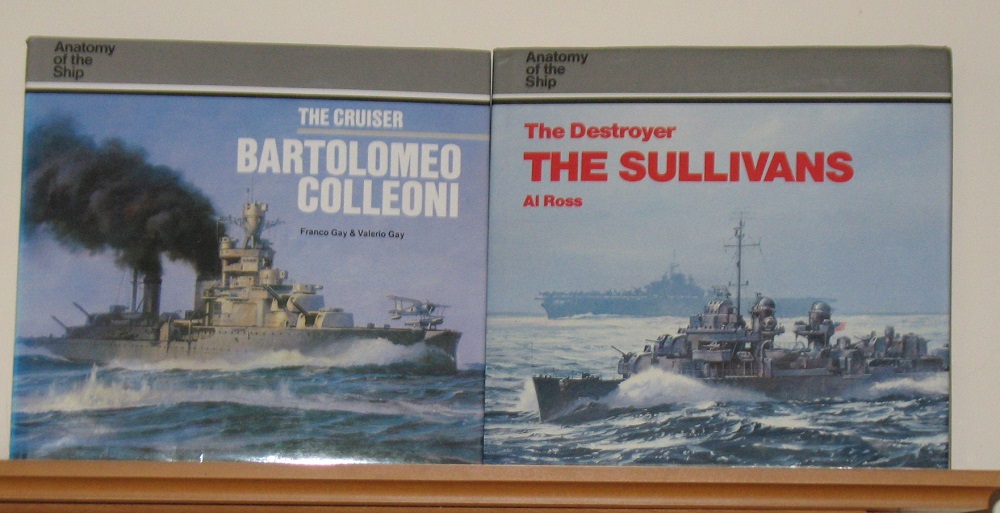
I bought a couple of these Anatomy of the Ship books as research for A Prospect of War back in the day, and ended up picking up copies whenever I saw them going cheap on eBay. Like The Cruiser Bartolomeo Coleoni and The Destroyer The Sullivans. I have more than a dozen of them.

2016-03-05 10.30.24

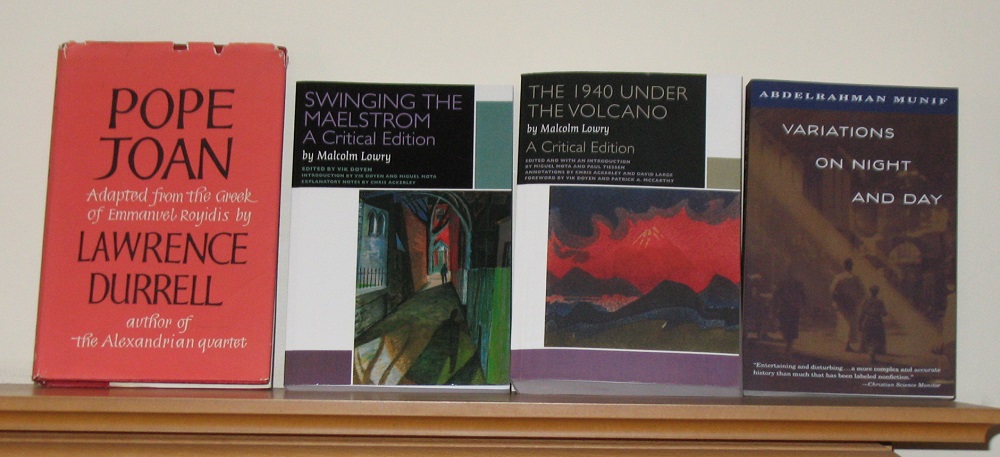
Finally, some translated fiction, some Malcolm Lowry, and a Lawrence Durrell. I read Munif’s Cities of Salt a couple of years ago and thought it very good, so I picked up the second book of the trilogy last year, and now I have the final one, Variations on Night and Day. I recently read Lowry’s In Ballast to the White Sea: A Scholarly Edition, also part of the Canadian Literature Collection series, and the first time Lowry’s “lost” second novel had seen print. So I decided to get these two critical editions, also published in the University of Ottawa’s Canadian Literature Collection series – The 1940 Under the Volcano (I’ve read Under the Volcano, the final published edition, of course), and Swinging the Maelstrom (which I read under the title Lunar Caustic, but which was apparently a version cobbled together posthumously from a number of different manuscripts). Finally, Pope Joan is for the Durrell collection. Not an easy book to find in this edition.


Leave a comment

More for the shelves

I have dialled back on the book-buying this year, and have so far managed to actually reduce the TBR each month – and it’s been a number of years since I last did that. So, not so many books in this post, and it’s been nearly two months since I last put up a book haul post too.

2015-04-12 10.53.58

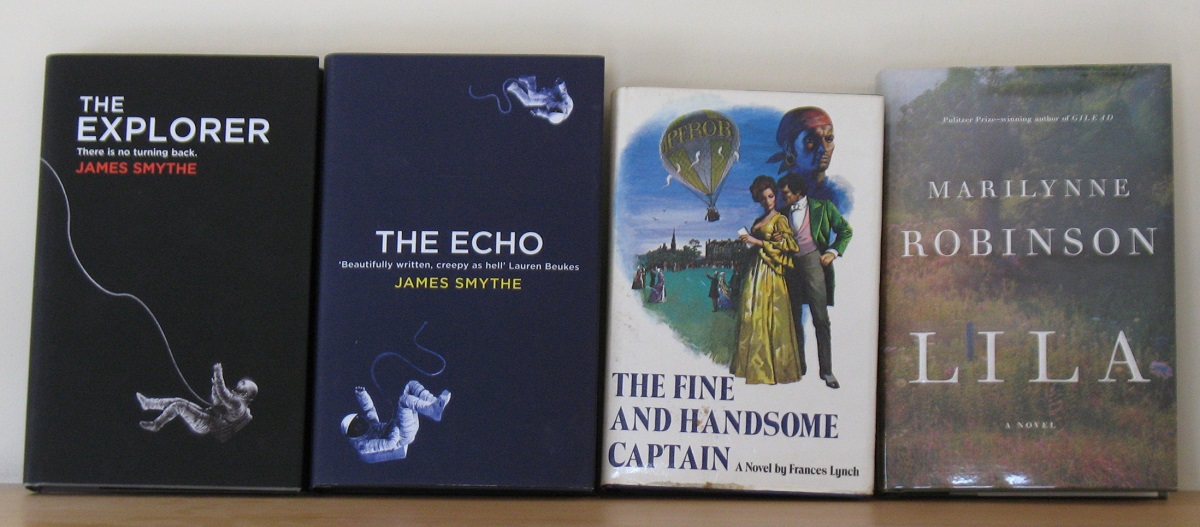
Some first editions. The Explorer and The Echo are both signed (people who follow me on Twitter may remember my tweet to James regarding his signature), and cost me, er, nothing. They were actually prizes at the SFS Social where I read an excerpt from All That Outer Space Allows. I didn’t win the two books, but the person who won them gave them to me. For which, very many thanks. A Fine and Handsome Captain is by a pen-name of DG Compton, and was cheap on eBay. Annoyingly, the jacket is a bit damaged. Lila was also reasonably priced on eBay, and it is also signed.

2015-04-12 10.55.00

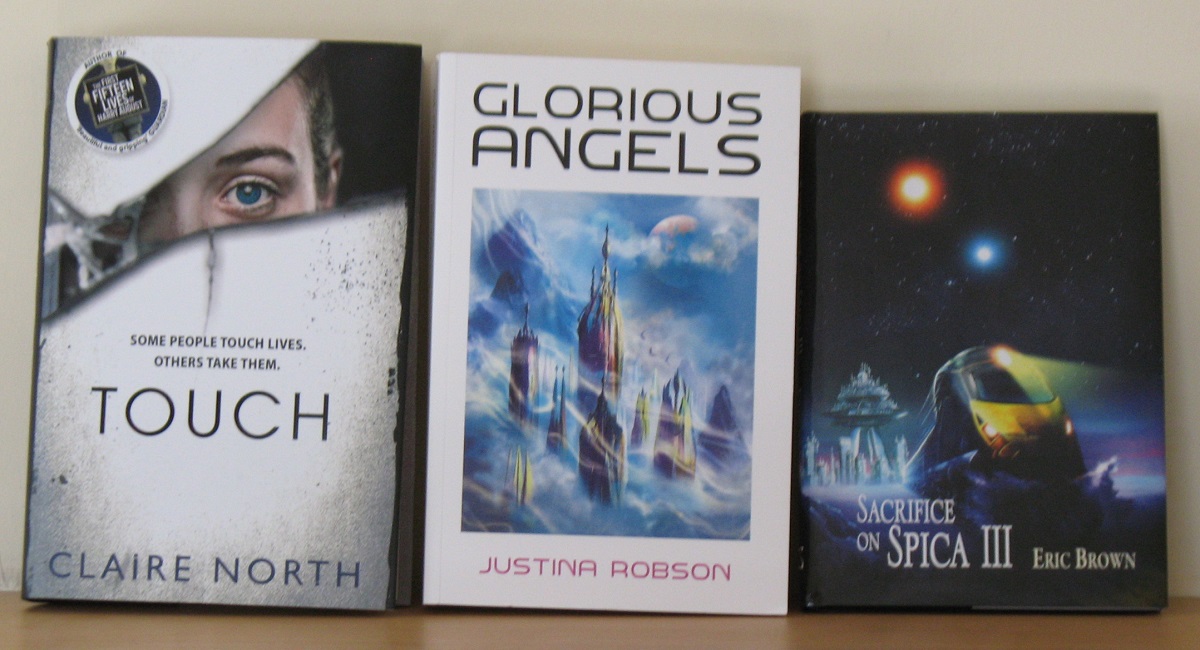
Some genre first editions. Sacrifice on Spica III is the second book of Brown’s Telemass Quartet. I wrote about it here. I heard Justina Robson read an excerpt from Glorious Angels at the York pubmeet in November last year. I really enjoyed North’s The First Fifteen Lives of Harry August, and Touch sounds just as appealing (if not more so).

2015-04-12 10.56.41

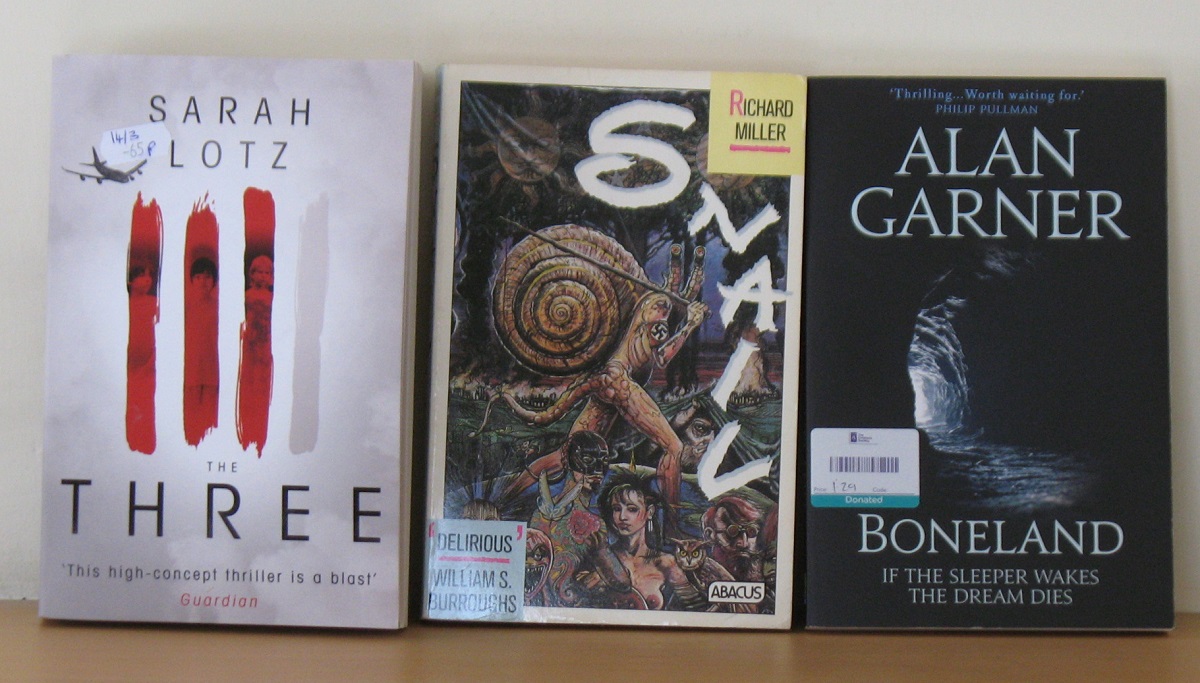
A few charity shop finds. Well, Boneland and The Three were. Snail I bought from eBay, although I can no longer remember why.

2015-04-12 10.57.04

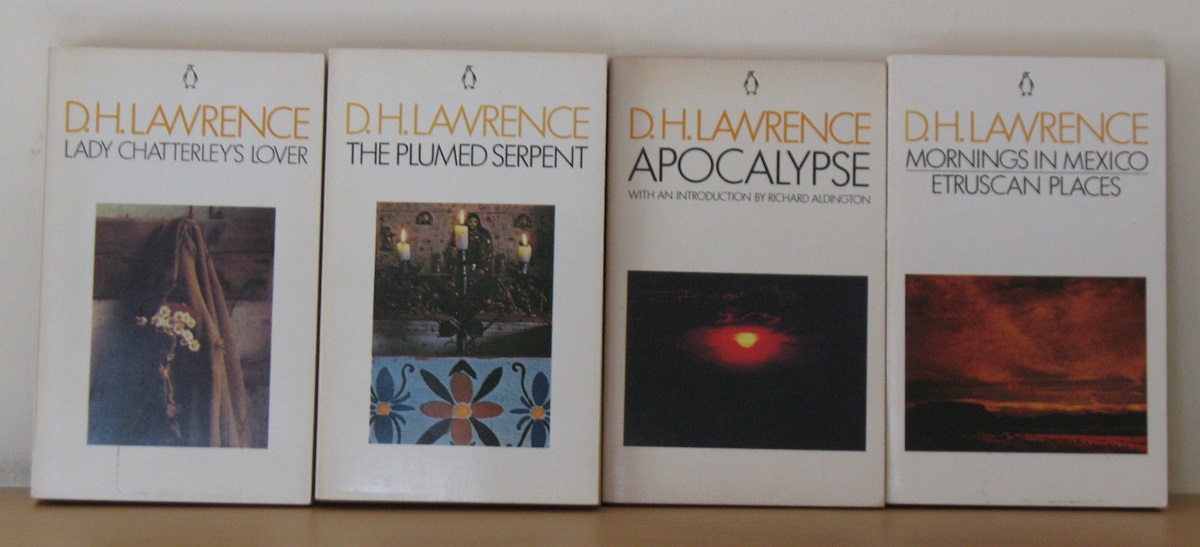
My mother found these for me in various charity shops. I’d mentioned I was collecting these particular editions, so she’s been keeping an eye out for them. I now have 17 out of, I think, 24 books. I read Lady Chatterley’s Lover years ago, but a different edition. Apocalypse is a posthumous collection of essays. Mornings in Mexico / Etruscan Places is an omnibus of two short travel books. And The Plumed Serpent is set in Mexico and was written when Lawrence was living in Taos.

2015-04-12 10.58.33

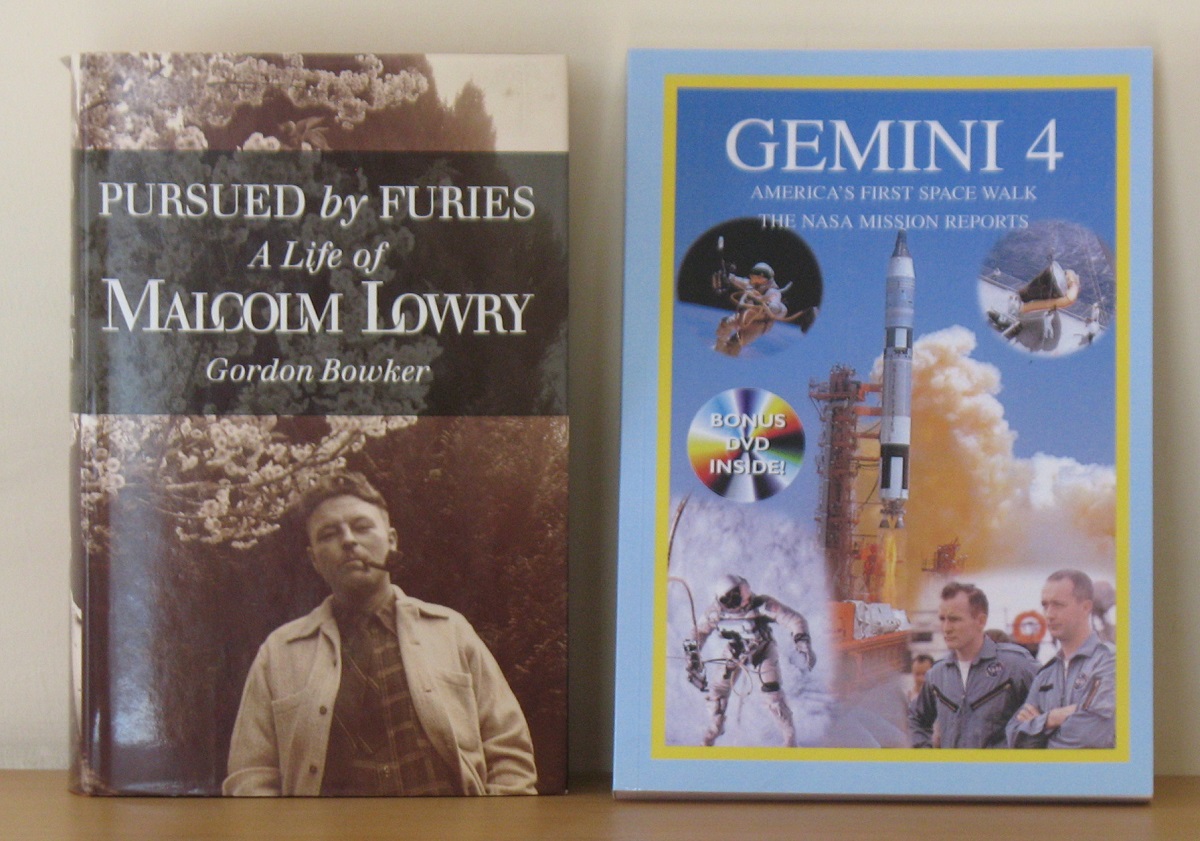
Some non-fiction. Pursued by Furies is a humongous biography of Malcolm Lowry. I have Bowker’s biography of Lawrence Durrell, Through the Dark Labyrinth, somewhere. And The NASA Mission Reports: Gemini 4 is another for the space books collection.


6 Comments

Reading diary, #5

So far this year I’ve read 37 books, which, judging by previous years, should see me read 150 books by the end of the year. This is just as well as I’ve joined the 150 books reading challenge on GoodReads, although it’s currently telling me I’m 2 books behind schedule. Oh well.

sacrificeSacrifice on Spica III, Eric Brown (2014). This is the second of Brown’s Telemass quartet, published by PS Publishing, and set in the same universe as some of his earlier fiction, such as the Starship Seasons quartet (see here). Retired Dutch police officer Hendrick is trying to track down his ex-wife, who has stolen their terminally ill but in medical stasis daughter, and their trail leads him to the titular planet. Spica III has a highly eccentric orbit and is due to go into five years of severe winter – so severe all travel to and from the planet will be suspended. Hendrick has to find his wife and daughter before that happens. En route, he runs into an old colleague, who explains he is hunting for his superior officer’s estranged wife, who is wanted for murder. Hendrick remembers the wife, he had an affair with her years before, and he doubts she’s guilty, but he agrees to help. The plot of Sacrifice on Spica III concerns that investigation, not Hendrick’s wife and daughter. It includes a typical Brown touch, a death cult whose members commit suicide by entering a sort of liquidizer, which then squirts them up into the air and their liquid remains freeze instantly in Spica III’s sub-zero climate. It’s pretty gruesome. Otherwise, a polished piece, although it does seem to depend a little too much on coincidence, back-shadowing and serendipity.

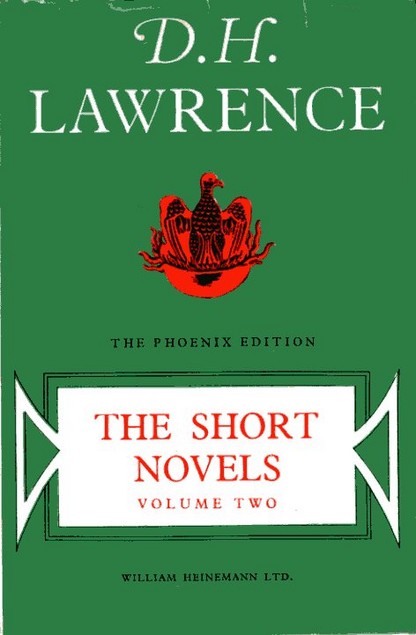
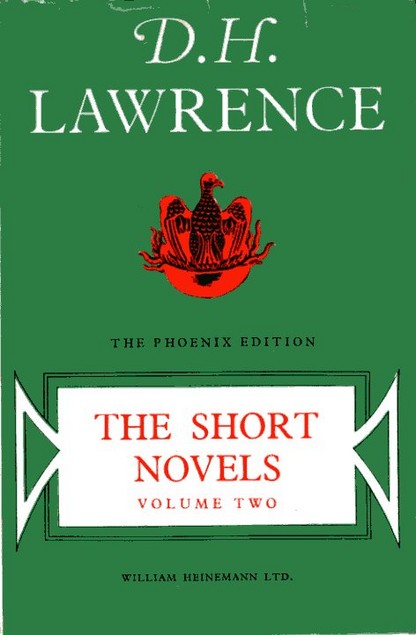
shortnovels2St Mawr, DH Lawrence (1925). The title is the name of a horse, bought by American heiress Lou for her husband, Australian and baronial heir, Rico. But this is DH Lawrence, so a horse is not just a horse of course of course. After a stay in London, with much riding in Hyde Park, the couple decamp with Lou’s acerbic mother to the wilds of Wales, where Rico seems to be more interested in a female friend who lives nearby. When St Mawr, who is very spirited, throws Rico, he ends up bed-ridden, and Lou decides she’s had enough. She follows her mother to London, and then across the Atlantic to the US. Where she eventually buys a run-down ranch somewhere in New Mexico. There are also a pair of grooms, a taciturn Welshman who came with St Mawr, and the mother’s, who is a Native American. In between the manly charms of the grooms, and the metaphor galloping through the text, Lawrence seems to have forgotten his plot. Still, it’s a lot more disciplined than, say, Sons and Lovers, although that’s much the better novel.

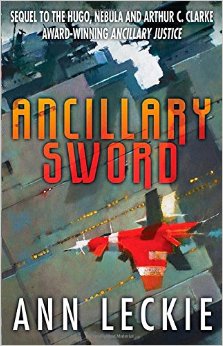
ancillaryswordAncillary Sword, Ann Leckie (2014). This won the BSFA Award last weekend, and I’ll admit to being disappointed. There were better books on the shortlist, and it’s likely this sequel was trading on the massive success of its predecessor. Now I liked Ancillary Justice and I liked this book too. But where the first felt like a much-needed return to progressive space opera, something that had been sadly lacking for several years, Ancillary Sword doesn’t so much feel like more of the same as it does a fellow traveller on previously-trod ground. And if Ancillary Justice let out a slight whiff of Susan R Matthews’ novels, Ancillary Sword reeks of it. This is no bad thing – I’m a big fan of Matthews’ books, and it’s a crying shame she was dropped by her publisher more than ten years ago (and her second publisher went under after publishing just one of her books). But Ancillary Sword… Breq has been given command of a warship and sent to a planetary system that appears to have been cut off. There she discovers inequality and near-slavery, not to mention some nasty little conspiracies, which she resolves. The main plot of the trilogy – the war between the two factions of Anaander Miaanai – is pretty much parked to one side for the bulk of the story. Which also introduces a fresh mystery toward the end. If this is going to be a trilogy, I can’t honestly see any shape to it, and two-thirds of the way in you’d expect one to be visible.

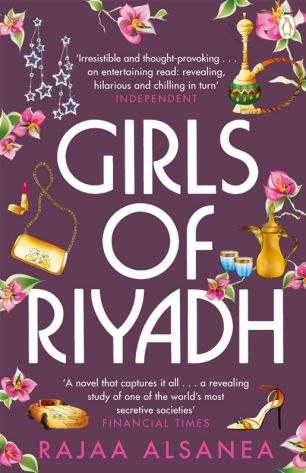
girlsofriyadhGirls of Riyadh, Rajaa Alsanea (2007). This was apparently a bit of a phenomenon when it was published, a Sex & the City take on Saudi society by a young Saudi woman studying in the US. It’s a shame then that it’s all a bit juvenile. It’s presented as a serial told via email by the author, who prefaces each chapter with an email “answering” some of the responses she’s received to the previous chapter. The story itself is about four young women – Lamees, Michelle, Gamrah and Sadeem. Gamrah marries Rashid, and travels with him to the US, where he is studying. But he seems more interested in a prior US girlfriend, and Gamrah finds it hard to cope with life in the West. She returns to Riyadh, pregnant. Sadeem falls in love, arrangements are made, contracts exchanged, but a couple of days before the ceremony she succumbs to his blandishments and lets him take it too far… so he divorces her. Michelle falls for a young man from a good family, but his mother won’t hear of her son marrying beneath him, so he breaks it off. And Lamees is a bit of wild thing, making friends with Shi’ites, visiting chat rooms, and getting arrested for meeting a young man in a café. And other things happen too. While it shows the appalling treatment of women in Saudi well, and I realise English is not the writer’s first language, but it is the translator’s, this could really have done with a lot of a polish. The novel is structured to look like the titillating adventures of an amateur writer, and the prose reads like it was written by an amateur too.

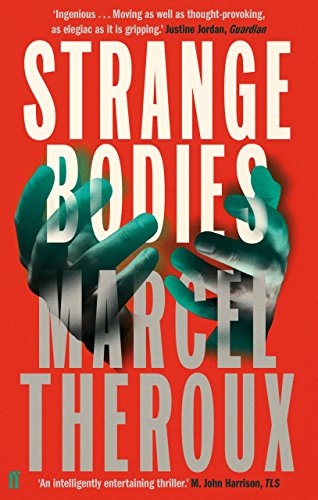
strangebodiesStrange Bodies, Marcel Theroux (2013). Theroux’s 2009 novel Far North was shortlisted for the Clarke Award, so I read it… and I wasn’t much impressed. So I’m not sure what possessed me to give Strange Bodies a go – yes, people recommended it, and the premise sounded interesting, but… Anyway, I’m glad I did. If the plot doesn’t quite match the striking opening, the journey to the end is at least a damn sight better than you’d get from a typical genre novel. A man who apparently died a couple of years before, and in fact in no way resembles the dead man, contacts an old friend, who is persuaded of his claimed identity. Later she finds a thumb drive, containing the document which forms the bulk of the novel – which proves to be the history of a man, a Samuel Johnson scholar, who was asked by a media mogul to authenticate some letters and finds himself caught up in a secret Soviet experiment based on the Common Task (I’ve read up on Fedorov for a WIP, so I knew exactly what this referred to). The scientific scaffolding for the central premise was a little hard to swallow, but all the stuff wrapped around it was very good indeed. I thought the Johnson scholarship very clever, and the way Theroux handled the premise good. Despite my feelings about Far North, I am, much like several other people, surprised this never made any award shortlists.


3 Comments

Starship Seasons, Eric Brown

starship-seasonsThe four novellas which make up Starship Seasons, titled ‘Starship Summer’, ‘Starship Fall’, ‘Starship Winter’ and ‘Starship Spring’, were originally published individually by PS Publishing (of which Drugstore Indian Press is an imprint) and NewCon Press between 2007 and 2012. All four are set on Chalcedony, Delta Pavonis IV, in a future in which starship travel has been superseded by Telemass, interstellar teleportation. The novellas feature David Conway and the circle of close friends he makes when he moves to Magenta Bay on Chalcedony. While the stories share locale and cast, and each novella references events in the preceding stories, they can be read as standalones.

Conway has retired to Chalcedony, a move partly driven by the death of his daughter and the subsequent breakup of his marriage. While hunting for a suitable property on the shore of the idyllic Magenta Bay, he stumbles across a junkyard of starships, run by an ex-pilot called Hawk. Conway decides to use an old ship as a home, but the one he chooses is of mysterious provenance. He settles into a life of indolence – with a great deal of drinking – and makes friends with several of the locals, including Hawk, famous artist Matt, telempath Maddie, and Hawk’s alien lover, Kee (a native of Chalcedony). Conway soon discovers his starship home is “haunted”… by an avatar of the Yall, an advanced alien race who have long since vanished. The Yall admits his race built Chalcedony’s great marvel, the Golden Column, an impenetrable pillar one kilometre in diameter and thirty kilometres high, and of unknown purpose. Conway and his friends, with the help of the Yall ghost, make Conway’s starship operable and fly to the Column… and so discover the mysterious object’s true purpose.

‘Starship Fall’ is set five years later. The fuss over Conway’s discovery of the Golden Column’s purpose – it is, in fact, part of an instantaneous interstellar transport network – has died down. The appearance in Magenta Bay of holo superstar Carlotta Chakravorti-Luna, however, threatens to upset Conway’s life of indolence and drinking. And then Hawk’s alien companion, Kee, vanishes into the jungle to “smoke the bones”, an alien ritual which allows the smoker to snatch glimpses of the future but has a seventy percent fatality rate. Conway, Maddie and Hawk head off into the interior to “rescue” Kee, but unfortunately are too late to prevent her undergoing the ritual. What Kee sees of the future involves Chakravorti-Luna and also Hawk’s possible death. The holo superstar admits she is on Chalcedony to find an ex-husband who crashed on the planet decades before, and this has something to do with the smoking the bones ritual.

The plot of ‘Starship Winter’ is driven by Matt, the artist, who puts on an exhibition of works which use “empathy stones” from the world of Acrab IV. Visiting Magenta Bay is Darius Dortmund, an empath, who is not only unduly interested in Matt’s showing, but is also accompanied by an alien from Acrab IV. Dortmund is arrogant, secretive and a nasty sort. He annoys and upsets Conway and his friends, spoils the grand opening of Matt’s art show, but at a big party in his rented property later is found murdered. Suspicion immediately falls on Conway and his circle, who had stayed over at Dortmund’s house for the night. In this novella, Conway’s circle expands by one: Lieutenant Hannah van Harben of the local police, who becomes Conway’s love-interest.

The final book of the quartet is ‘Starship Spring’. It is six years later. Conway and van Harben are now living together in and have a young daughter, Ella. Their friends are busy off-planet – Matt and Maddie touring Matt’s latest art show, and Hawk and Kee flying rich tourists to some galactic wonder. But soon they will be returning, so all six arrange for a fortnight away at an expensive Chalcedony holiday spot called Tamara Falls. Part of the charm of the place is that it’s apparently haunted… and the ghost makes a number of appearances in front of the six friends and Ella. It also seems to be trying to tell them something. Matt admits that the holiday is being paid for by Dr Petronius, a famous art patron, who insisted on it as a condition of his offer to tour Matt’s art show. Millennia ago, the Yall fought and defeated an evil alien race, the Skeath, who managed to hide a vast army beneath Tamara Falls, ready to be awoken one day to conquer the galaxy. Petronius wants this to happen, and needs Conway and friends and family to be on-hand to trigger it…

There’s something very… comfortable about the stories in Starship Seasons. There’s nothing edgy or outrageous about the world described, nor about the concepts deployed in the stories. That the characters are well-drawn is a given – Brown has been writing sf since the mid-1980s, and he’s very good at it. But each of the central quintet has a secret, and that five damaged people should become such close friends occasionally feels somewhat banal. Except that feels like too harsh a judgement – these are four polished novellas, firmly located in genre heartland, thoughtful and considered in tone, and very much character-centred. They will not disappoint a dedicated science fiction reader even if, in these days of immersion and jump-cuts and “blowing shit up”, these four novellas do feel a little old-fashioned in affect. Entertaining, thoughtful and put-together well, certainly, but… The fate of the galaxy is several times put at risk, the lives of the central and supporting cast are frequently in danger; and yet once the dust has settled, Conway’s life returns to normal. There is progression – the Golden Column supersedes Telemass, Conway and Hannah have a child, the characters grow and heal over the years – yet the victories won in each of the novellas still feel small scale and personal. Sometimes, that’s all science fiction needs.

Starship Seasons, Eric Brown (2013, Drugstore Indian Press, £7.99, 978-1-848636-02-6)

This review originally appeared in Vector, No. 274, Winter 2013/2014.


3 Comments

Reading diary, #3

It’s been a bit of an odd month, reading-wise. Mostly science fiction, both new and old – three for review, one for Vector and two for SF Mistressworks.

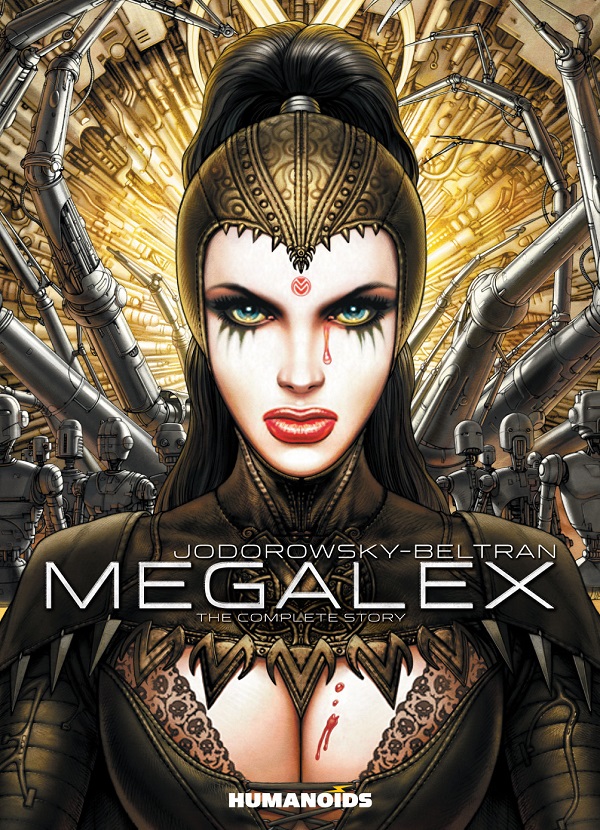
MegalexCoverMegalex, Alejandro Jodorowsky & Fred Beltran (2014). I picked up a copy of the first volume of this several years ago, but parts two and three never seem to have appeared in English. I thought about getting the original French editions – and might well have done so, had this omnibus edition not been published last year. The original bandes dessinées – L’anomalie, L’ange Bossu and Le cœur de Kavatah – appeared in 1999, 2002 and 2008, respectively. Beltran’s art apparently tends to the pneumatic, and two of the lead female characters are implausibly buxom. The plot borrows a number of devices Jodorowsky has used before – in fact, even the setting feels a little second-hand too. A world has been turned into one giant city, except for a small area of forest. A glitch in the clone factory results in a dimwitted giant of a clone, who manages to escape and join the rebels living underground, who are led by a hunchback. The king’s daughter is searching for love, but her touch kills. The rebels attack the palace and kidnap the princess – but the hunchback is not killed by her touch. And his hunch turns out to conceal a pair of wings. The princess and winged man conjoin and become a winged hermaphrodite, which leads the rebels to victory over the evil king and queen. It’s not Jodorowsky’s best work by any means. It all feels a bit recycled, and though Beltran’s art is gorgeous, it’s a far too much objectifying. Despite a career in bandes desinées stretching back to 1966, Jodorowsky hasn’t really done anything science-fictional that beats The Incal.

shortnovels2The Virgin and The Gipsy, DH Lawrence (1930). I decided to read this “short novel” before watching the 1970 film adaptation sent to me by Amazon rental. It was apparently written around 1926, but discovered among DH Lawrence’s papers after his death in 1930 (the novel, that is, not the film adaptation), and published later that same year. It… actually reads like a parody. Flighty virginal young woman is attracted by animal charm of handsome gipsy, but then a local dam bursts and floods the area and the gipsy saves the young woman from the waters. So that’s 1930’s prize for Most Obvious Sexual Metaphor Ever to David Herbert, and this is a man who never let a metaphor for sex or sexuality go unmolested. There’s also some anti-semitism on display – the virgin makes friends with a Jewish divorcee (who is not actually divorced) and her laid-back boyfriend, and there are over-frequent references to the woman’s ethnicity. Lawrence was always very good about writing about landscape, although that’s not so much in evidence in this short novel. But he was also really good at interiority and there’s plenty of that on display here. It’s not Lawrence’s best work of those I’ve read – although it seems to have been critically well-received.

The Kif Strike Back, CJ Cherryh (1985). I reviewed this on SF Mistressworks here.

The Grasshopper’s Child, Gwyneth Jones (2014). A new novel from Jones. W00t. It’s a YA novel set in the world of the Bold as Love series. I reviewed it for Vector.

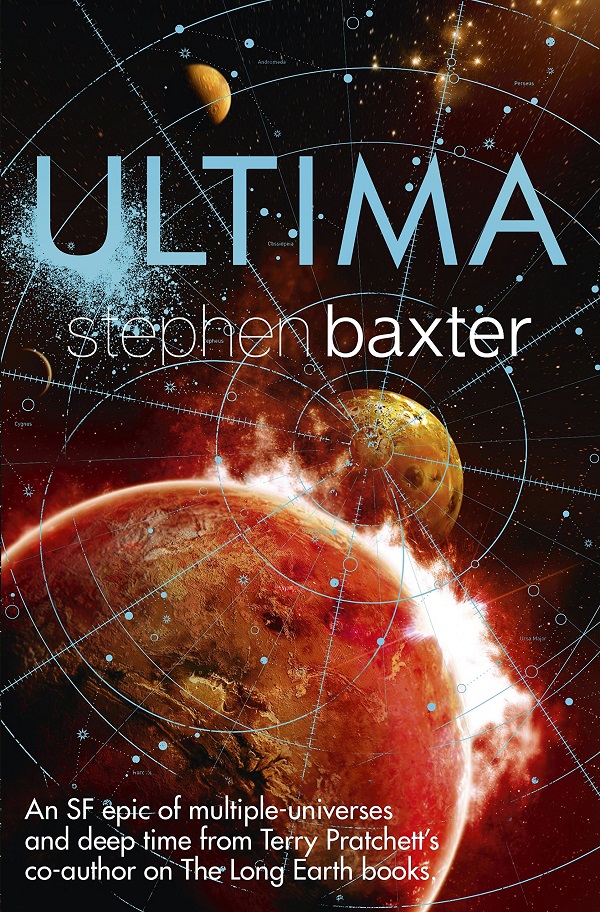
ultimaUltima, Stephen Baxter (2014). The sequel to Proxima – did you see what he did there? Proxima: nearest; Ultima: furthest. Where the first was near-future sf, this one drags in Baxter’s other great interest, alternate history. It seems that the Hatches which allow for easy travel over interstellar distances (instantaneous for the traveller, but light-speed is not violated), also trigger “resets” of history – or shift the protagonists into alternate histories. In the first, the Roman Empire makes it into space but despite making use of “kernels” (magic energy wormhole-y type things) as a power source, it doesn’t appear to have progressed much beyond the first century CE. And then it’s an interstellar Aztec Empire, which also uses kernels and has built a giant fuck-off O’Neill cylinder but still runs pretty much along the same lines as it did when Cortés stumbled across Tenochtitlan. It’s quite an impressive sustained act of imagination, but not in the least bit plausible. The book also suffers from juvenile characterisation – a running joke involving a lead character, a grizzled Roman legionary – wears thin soon after the third mention but Baxter keeps it going right to the bitter end. There’s lots of clumsy exposition, and a central premise that doesn’t really convince. Baxter has done much better than this, and it all feels a bit by-the-numbers and banged out over a quick weekend. Disappointing.

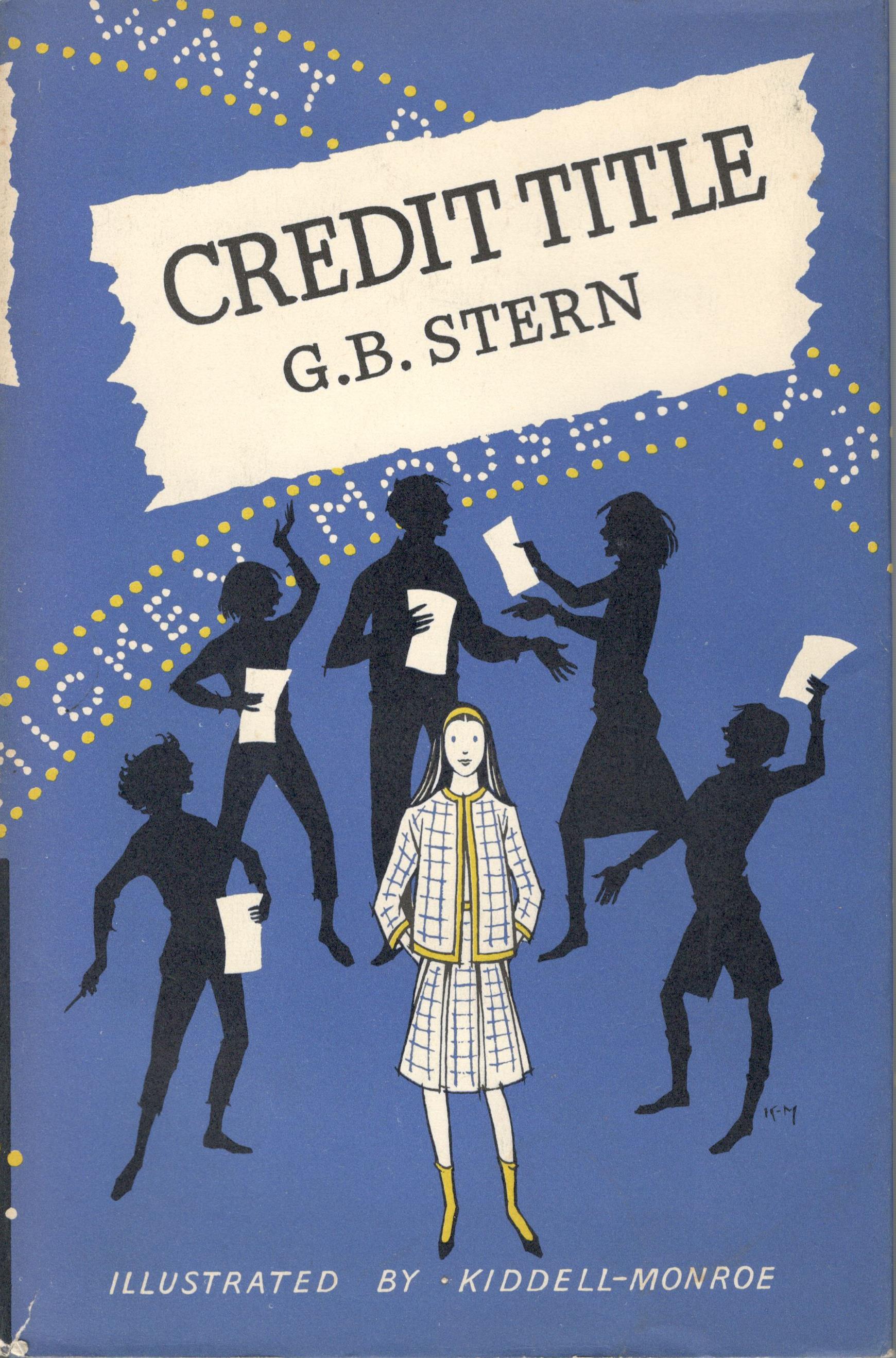
credit_titleCredit Title, GB Stern (1961). GB Stern is Gladys Bronwen Stern, a British writer who published some forty novels between 1914 and 1964. I should have guessed from the cover art, but I didn’t realise Credit Title was a “junior novel” when I bought it on eBay. Oh well. It’s set in 1933. Sharon’s father is a director in Hollywood, but they move back to England when he marries Meryll Armstrong, who already has six children. Sharon has been dreaming of being part of a large family – inspired by a series of books about the “Rectory Family” – but the reality proves disappointing. They expect her to be stuck-up because she’s lived in Hollywood, and this colours the way they treat her. It’s all very terribly-terribly and breathless and patronising, a bit like the Narnia books – and I should have picked another Stern book to see what she’s like.

The Power of Time, Josephine Saxton (1985). Review to appear on SF Mistressworks soon.

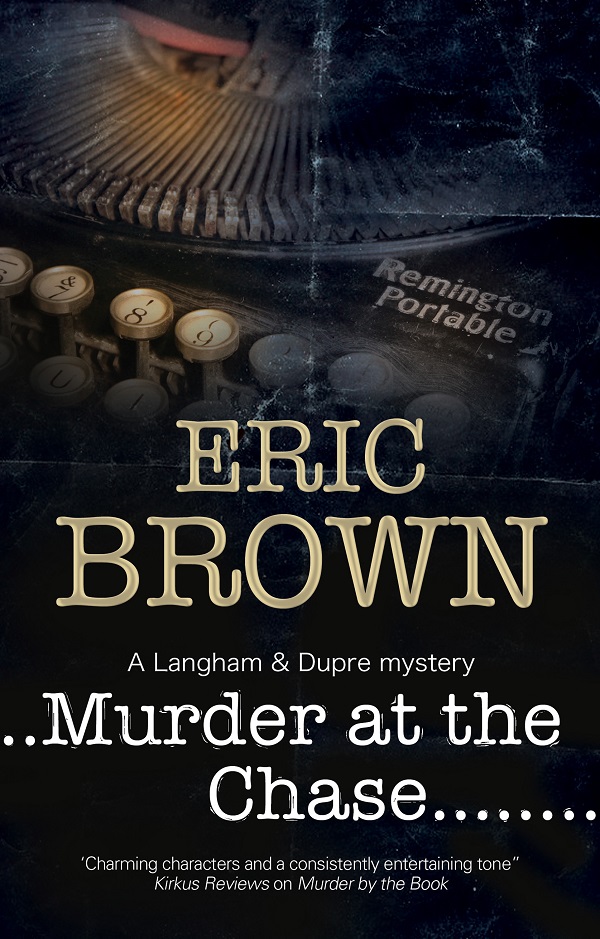
murder-at-the-chase-2Murder at the Chase, Eric Brown (2014). This is the second of Brown’s 1950s-set murder mysteries featuring thriller writer Donald Langham and his fiancée literary agent Maria Dupré. In this book, they’re invited to unravel a locked-room disappearance of another mystery writer, and it turns out it’s all to do with a satanist who may or may not have been born over one hundred years earlier. Brown evokes his period well, and his two protagonists are eminently likeable. He even manages a nicely liberal view of humanity that wasn’t common in 1955 – two of the secondary characters are gay, and despite it being illegal at the time, pretty much everyone seems surprisingly tolerant when confronted with it. The locked-room puzzle is disposed of disappointingly quickly, but then there’s a murder and what looks like a suicide… And it all gets wrapped a little quickly and tidily for comfort. I suspect these are not written to be cosy mysteries, but they’re beginning to resemble them. They need to be a bit edgier – Brown is capable of it, he handles his period with aplomb and his characters with assuredness. But the plot is all a bit rushed, and the ending is far too tidy.

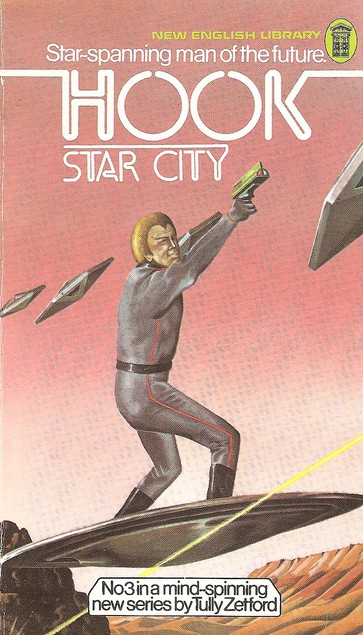
hook3Hook 3: Star City, Tully Zetford (1974). This is the third book in the quartet featuring Hook of the funny eyebrows. Zetford was a pseudonym of Ken Bulmer, and it’s even more hacky than the stuff he put out under his own name. In this one Hook has teamed up with four others to steal a collection of cultural artefacts (weighing 50 kg), but the other four intend to cut him out of the deal. But Hook turns the tables on them, loses his payment for the haul at the titular star city, and then loses the money he steals to make good on his losses… before he ends up saving the unsophisticated natives of the planet the star city orbits who are being hunted for sport. This is disposable stuff, a couple of hours’ reading you’ve forgotten ten minutes after chucking the book onto the pile of books that are going to the charity shop. Best forgotten, and I suspect the author felt that way too.